Allium fasciculatum
Rendle
Nosyante
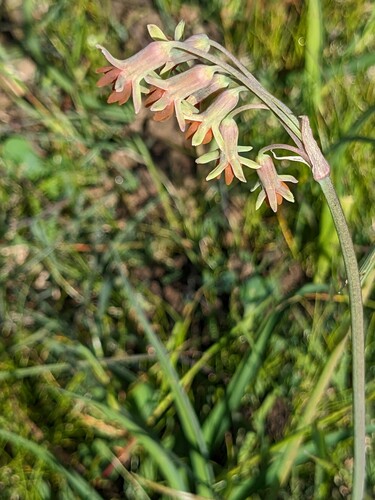
iNaturalist· cc-by-nc
(c) Royal Botanic Garden Edinburgh, some rights reserved (CC BY-NC)
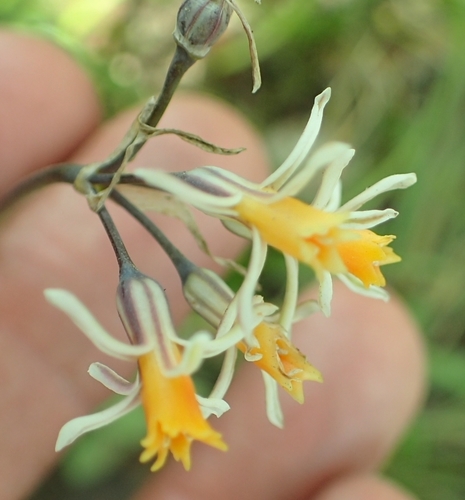
iNaturalist· cc-by-nc
(c) tibetissimo, some rights reserved (CC BY-NC)
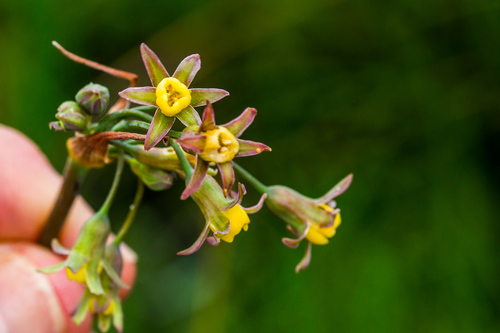
iNaturalist· cc-by
(c) 王天明, some rights reserved (CC BY)
Summary
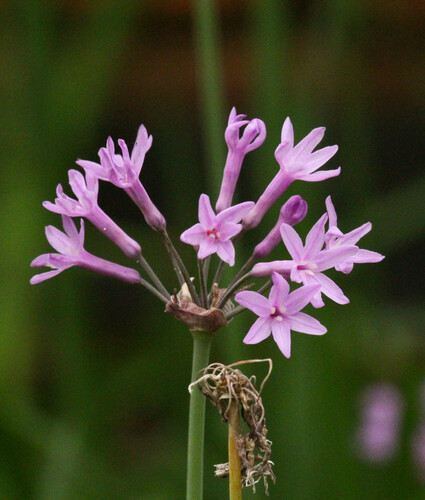
Source: WikipediaAllium fasciculatum is a species of onions known from the Himalayas of Bhutan, Sikkim, Nepal, and the Chinese provinces of Qinghai, Sichuan and Tibet. It grows at elevations of 2200–5400 m. Allium fasciculatum has thick roots and fibrous bulbs. Scapes are up to 40 cm long. Umbels are spherical with large numbers of white flowers.
Description
An onion family plant. It can have one or more bulbs. The roots form short thick tubers. The leaves are narrow and 2-5 mm wide. The stalk is 15-40 cm tall. The flowering head is round.
Edible Uses
The whole plant is used for seasoning, with the leaves being the primary edible portion.
Traditional Uses
The whole plant is used for seasoning.
This uses section is brief — help expand it
Distribution
It is a temperate plant. It grows on dry sandy slopes between 2,200-5,400 m above sea level in southern China In Sichuan.
Where It Grows
Asia, Australia, Bhutan, China, Himalayas, India, Nepal, Northeastern India, Sikkim, Tibet,
Notes
They have also been put in the family Alliaceae.
Also Known As
Da la bu, Faran, Gokpa, Gu di, Lasune saag, Lhun gok, Lin, Ri gok, Ri guo, Ruk kar, Rung kar
References (5)
- Bhattarai, S and Chaudary, R. P., 2009, Wild Edible Plants Used by the People of Manang District, Central Nepal. Ecology of Food and Nutrition, 48:1-20
- Chen, W., et al, 2021, Wild plants used by the Lhoba people in Douyu Village, characterized by high mountains and valleys, in southeastern Tibet, China. Journal of Ethnobiology and Ethnomedicine (2021) 17:46
- Gautam, R. S., et al, 2022, Ethnobotanical Review of Wild Edible Plants of Nepal. Journal of Natural History Museum Volume 32, 2021-22 p 101
- Ghimire, S. K., et al, 2008, Non-Timber Forest Products of Nepal Himalaya. WWF Nepal p 19
- Guo, C., et al, 2022, An Ethnobotany Survey of Wild Plants Used by the Tibetan People of the Yadong River Valley, Tibet, China. Journal of Ethnobiology and Ethnomedicine