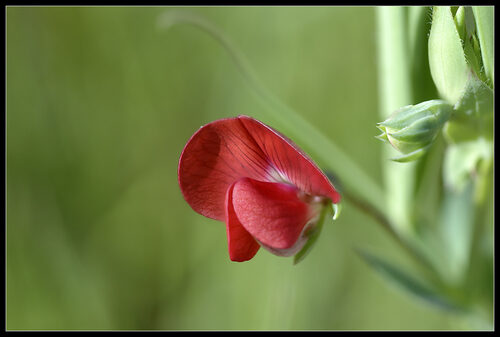
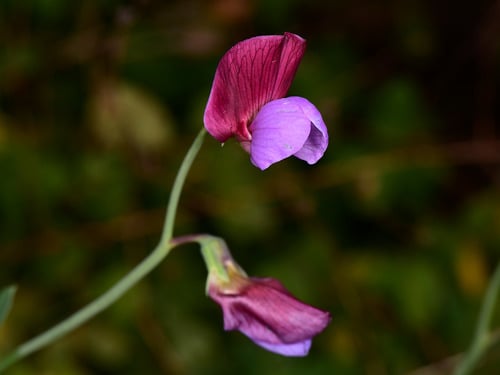
Hedysarum occidentale
Greene
Liquorice root, Sweetvetch
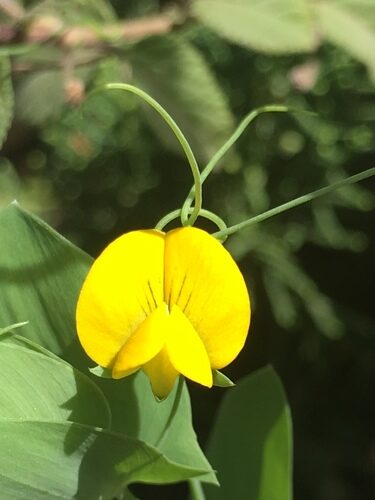
iNaturalist· cc-by-nc
(c) Bret Turner, some rights reserved (CC BY-NC), uploaded by Bret Turner
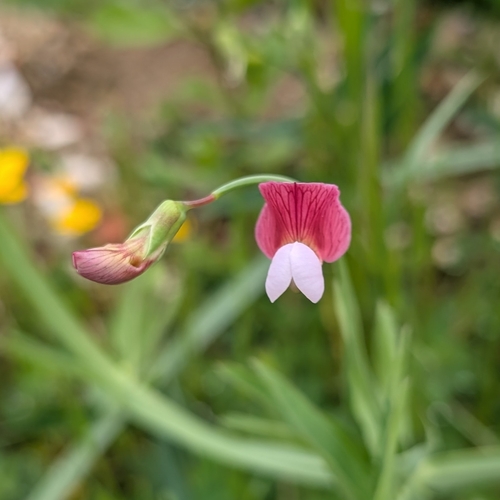
iNaturalist· cc-by-nc
(c) dtmacarthur, some rights reserved (CC BY-NC)
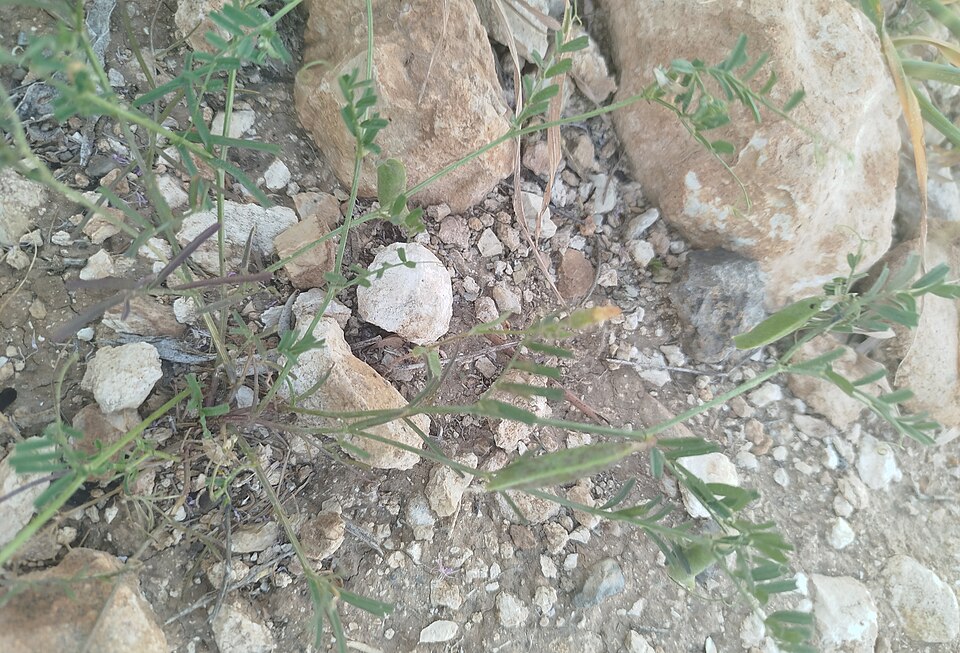
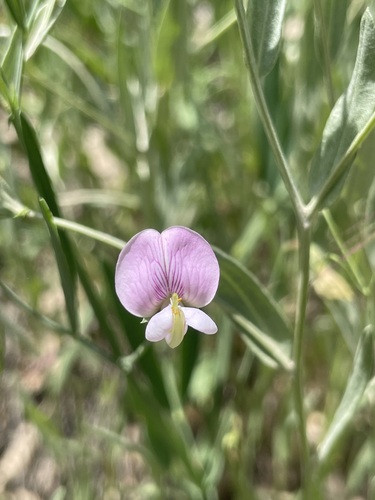
iNaturalist· cc-by-nc
(c) Wendy Feltham, some rights reserved (CC BY-NC), uploaded by Wendy Feltham
Summary
Perennial reaching 0.1 m tall and spreading 0.5 m wide. Flowers July to August. Hermaphrodite, insect-pollinated. Hardy to UK zone 4. Tolerates light, medium, and heavy well-drained soils across mildly acid to basic pH range. Needs full sun and moist soil. Nitrogen-fixing plant.
Description
A herb or shrub. The stems are erect. It grows 40-90 cm tall. The leaves are 8-15 cm long. The flower spikes have 20-75 red to purple flowers. The flowers hang down.
Edible Uses
The root is edible raw or cooked. It is long and sweet with a liquorice-like flavour. When used in spring it is crisp and juicy, but it becomes tough and woody as the season progresses.
Traditional Uses
The roots can be eaten raw or cooked. They have a licorice-like taste.
This uses section is brief — help expand it
Medicinal Uses
None known.
Distribution
It is a temperate plant. It grows at about 2,600 m above sea level. It suits USDA hardiness zone 4-8.
Where It Grows
North America, USA,
Cultivation
Easily grown in ordinary garden soil in a sunny position, preferring a deep well-drained sandy loam. Plants strongly resent root disturbance and should be placed in their permanent positions as soon as possible. This species is closely related to H. boreale. Does well in the rock garden or border. This species has a symbiotic relationship with certain soil bacteria, these bacteria form nodules on the roots and fix atmospheric nitrogen. Some of this nitrogen is utilized by the growing plant but some can also be used by other plants growing nearby.
Propagation
Sow seed in a cold frame as soon as it is ripe or in spring. Stored seed should be pre-soaked in warm water for 24 hours before sowing. Prick seedlings into individual pots as soon as they are large enough to handle, then plant into permanent positions in summer. Division is possible in spring, though great care is needed as the plant dislikes root disturbance.
Other Uses
None known.
Synonyms
References (5)
- Facciola, S., 1998, Cornucopia 2: a Source Book of Edible Plants. Kampong Publications, p 105
- Kermath, B. M., et al, 2014, Food Plants in the Americas: A survey of the domesticated, cultivated and wild plants used for Human food in North, Central and South America and the Caribbean. On line draft. p 408
- Lim, T. K., 2015, Edible Medicinal and Non Medicinal Plants. Volume 9, Modified Stems, Roots, Bulbs. Springer p 45
- Pittonia 3:19. 1896
- Plants for a Future database, The Field, Penpol, Lostwithiel, Cornwall, PL22 0NG, UK. http://www.scs.leeds.ac.uk/pfaf/