Hedysarum hedysaroides
(L.) Schinz. & Thell.
Alpine French Honeysuckle, Eskimo potato
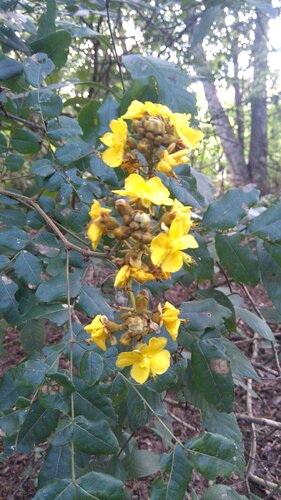
iNaturalist· cc-by-sa
(c) xulescu_g, some rights reserved (CC BY-SA)
iNaturalist· cc-by-sa
(c) Rebecca Ryen-Stols, some rights reserved (CC BY-SA), uploaded by Rebecca Ryen-Stols
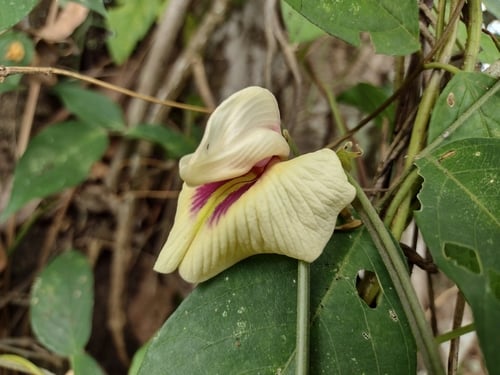
iNaturalist· cc-by
(c) Drepanostoma, some rights reserved (CC BY), uploaded by Drepanostoma
Summary
Source: WikipediaHedysarum hedysaroides, common name alpine sainfoin, is a perennial herb belonging to the family Fabaceae.
Description
A herb that keeps growing from year to year. It has a long thick taproot. The stems are 25-40 cm tall. These have 2 or 3 flowering branches. The leaves are compound with small leaflets in pairs. The leaflets are oval or sword shaped. The flowers are in one sided clusters at the tip of the leafy stems. The petals are lilac-violet and about 1 cm long. The flowering stems have bristly hairs. The fruit are flat pods and constricted between single seed sections.
Edible Uses
The root is edible raw or cooked, with a sweet flavour and high nutritional value. It is harvested from late autumn through to spring, and frost improves its sweetness.
Traditional Uses
The roots can be baked, boiled or eaten fresh or frozen.
This uses section is brief — help expand it
Medicinal Uses
None known.
Distribution
It is a cold temperate plant.
Where It Grows
Asia, Korea, North America, Russia, Siberia, USA,
Propagation
Sow seed in a cold frame as soon as it is ripe or in spring. Stored seed should be pre-soaked in warm water for 24 hours before sowing. Prick seedlings into individual pots as soon as they are large enough to handle, then plant into permanent positions in summer. Division is possible in spring, though great care is needed as the plant dislikes root disturbance.
Other Uses
None known.
Synonyms
Also Known As
Unatak, Unataq
References (4)
- Ainana, L. & Zagrebin, I., 2014, Edible Plants Used by the Siberian Yupik Eskimos of Southeastern Chukotka Peninsula, Russia, (English translation). p 66
- Jernigan, K. A., et al, 2017, Naukan ethnobotany in post-Soviet times: lost edibles and new medicinals. Journal of Ethnobiology and Ethnomedicine (2017) 13:61
- Plants for a Future database, The Field, Penpol, Lostwithiel, Cornwall, PL22 0NG, UK. http://www.scs.leeds.ac.uk/pfaf/
- Vierteljahrsschr. Naturf. Ges. Zurich 57:70. 1913