Pachyrhizus erosus
(L.) Urban
Yam bean, Jicama
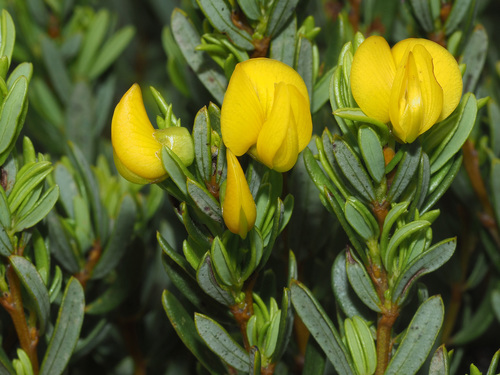
iNaturalist· cc0
no rights reserved, uploaded by 葉子
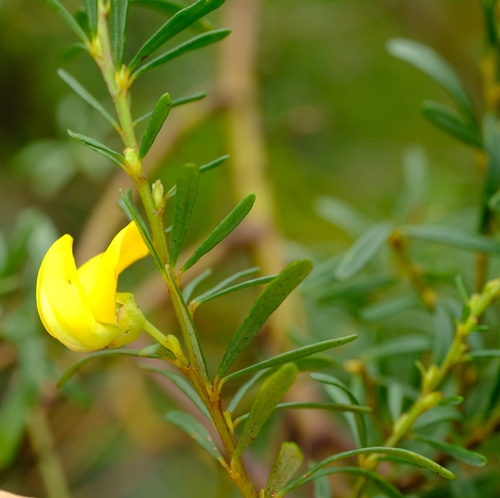
iNaturalist· cc-by-sa
(c) Juan Cruzado Cortés, some rights reserved (CC BY-SA), uploaded by Juan Cruzado Cortés
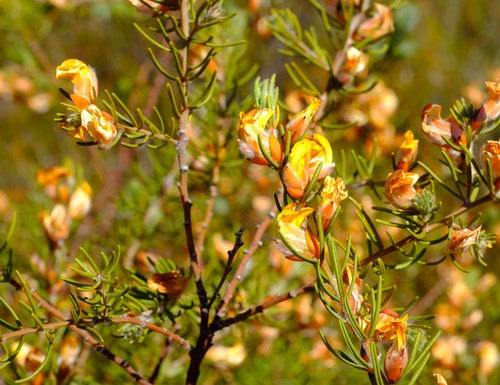
iNaturalist· cc-by
(c) Cheng-Te Hsu, some rights reserved (CC BY), uploaded by Cheng-Te Hsu
Summary
Source: WikipediaPachyrhizus erosus, commonly known as jícama ( or ; Spanish: jícama [ˈxikama] ; from Nahuatl languages: xīcamatl [ʃiːˈkamatɬ]) or Mexican turnip, is a native Mesoamerican vine, although the name jícama most commonly refers to the plant's edible tuberous root. It is in the pea family (Fabaceae). Pachyrhizus tuberosus and Pachyrhizus ahipa are the other two cultivated species in the genus. The naming of this group of edible plants can sometimes be confusing, with much overlap of similar, or the same, common names. Flowers, either blue or white, and pods similar to peas, are produced on fully developed plants. Several species of Pachyrhizus are known as jícama, but the one found in many markets is P. erosus. The two cultivated forms of P. erosus are jícama de agua and jícama de leche, both named for the consistency of their juice. The leche form has an elongated root and milky juice, while the agua form has a top-shaped to oblate root and a more watery, translucent juice and is the preferred form for the market.
Description
A climbing bean with hairy stems. It can grow up to 6 m tall. The stems are woody at the base. It has a white fleshed tuber. It has a rough sandy coloured skin. The leaves are alternate and made up of 3 leaflets. These leaflets have large teeth. The flowers are violet or white. The pod is 8-15 cm long, curved and hairy. The seeds are almost black. There are 8-11 seeds and they are flattened.
Edible Uses
The root can be eaten raw or cooked. It is crisp, sweet, and juicy — raw, it tastes somewhat like an apple; cooked, it resembles a water chestnut. It stays crisp after cutting and after cooking, making it a popular substitute for water chestnuts in Chinese cooking. A starch extracted from the root is used in custards and puddings. Roots are harvested before they mature and become fibrous, typically when the plant has been growing for around 6 months and the tuber weighs about 2 kilos. Mature tubers can reach 2 metres in length and weigh up to 20 kilos. Young seed pods can be cooked and used as a vegetable, but must be thoroughly cooked to destroy the poisonous principle rotenone.
Traditional Uses
The young tuber is eaten either raw or cooked. They can be boiled, stir-fried, roasted, braised or used in soups. It can also be pickled. The tubers can be a source of starch used in custards and puddings. The young pods can be eaten. (They must be well cooked.) CAUTION Old pods and mature seeds can be poisonous.
Medicinal Uses
None known.
Known Hazards
In contrast to the root, the remainder of the plant is very poisonous; the seeds contain the toxin rotenone, which is used to poison insects and fish. Mature seeds have a high rotenone content. Commercial jícama cultivation considered using them as an insecticide source.
Distribution
A tropical plant. It grows in warm places. It grows in coastal areas in Papua New Guinea and up to about 70 m altitude in the tropics. A well drained soil is needed. A light rich sandy soils is suitable. It cannot tolerate frost. Plants need 11-13 hours of daylight for tubers to form. A pH of 6-7 is suitable. It can grow in arid places. It suits hardiness zones 10-11. In Sichuan and Yunnan.
Where It Grows
Africa, Andaman Is., Antigua-Barbuda, Antilles, Argentina, Asia, Australia, Bangladesh, Belize, Bhutan, Brazil, Cambodia, Cameroon, Central Africa, Central America*, China, Congo, Cook Islands, Costa Rica, Cuba, Dominica, Dominican Republic, East Africa, East Timor, Ecuador, El Salvador, Fiji, French Guiana, French Polynesia, Ghana, Grenada, Guadeloupe, Guam, Guatemala, Guinea, Guinée, Haiti, Hawaii, Himalayas, Honduras, India, Indochina, Indonesia, Jamaica, Japan, Laos, Madagascar, Malaysia, Maldives, Martinique, Mauritius, Mexico*, Micronesia, Myanmar, New Caledonia, Nicaragua, North America, Northeastern India, Pacific, Palau, Panama, Papua New Guinea, PNG, Paraguay, Peru, Philippines, Puerto Rico, Reunion, SE Asia, Senegal, Sierra Leone, Singapore, Solomon Islands, South America, Sri Lanka, St Lucia, Tahiti, Taiwan, Tanzania, Thailand, Timor-Leste, Trinidad & Tobago, USA, Vanuatu, Venezuela, Vietnam, West Africa, West Indies,
Cultivation
It is grown from seeds and also grows wild. Seed should be presoaked for 12 hours in warm water to encourage rapid germination. Seed germinate within 2 weeks. Plants can be grown by dividing the root clump and growing plants from the thickened roots. Cuttings will grow. A spacing of 50 cm between plants is suitable. Topping the plant by picking out the growing point and removing the flowers is supposed to help tubers form.
Propagation
Pre-soak seed for 12 hours in warm water, then sow in situ. Root tubers can be divided. Cuttings are also an option.
Other Uses
The plant can be used as a green manure. It also contains rotenone, the active ingredient in the insecticide derris, giving it potential as an insecticide. Derris is relatively safe in that it does not affect warm-blooded animals and breaks down into harmless substances within 24 hours of use. It does, however, kill some beneficial insects and is toxic to fish and amphibians.
Production
Tubers are ready about 6 months after sowing. Individual tubers can be up to 20 kg weight.
Other Information
It is a commercially cultivated vegetable. Only occasionally seen in Papua New Guinea and mainly used by Asians. It is a cultivated food plant. It is sold in local markets.
Notes
The seeds are possibly poisonous. It possibly has anti-cancer properties.
Nutrition
| Part | Moisture | kJ | kcal | Protein | Vit A | Vit C | Iron | Zinc |
|---|---|---|---|---|---|---|---|---|
| Fresh Pods | 86 | 189 | 45 | 2.6 | 345 | — | 1.3 | — |
| Tuber - raw | 89 | 160 | 38 | 1 | 2 | 20 | 0.6 | 0.2 |
| Seed | 8.1 | — | — | 38.5 | — | — | — | — |
Synonyms
Also Known As
Ahipa, Ajipo, Auyey, Bangkwang, Bengkowang, Benkuang, Bunga, Carota de caballo, Catzotl, Chopsui potato, Cu dau, Cu san, Di le bu, Dou-su, Erosus yam bean, Fan-Ko, Frijol de jicama, Frijol name, Huo guo den, Huwi hiris, Jicama de agua, Jicama de leche, Kamias, Kapamo, Kapamota, Kuzu-imo, Mah-pra, Man kaew, Man keo, Mexican potato, Mrauk-u, Ni ge ba, Nupe, Pachyrrhize, Patate-cochon, Pek kuek, Pe-sein-sa, Pois cachou, Poroto batata, Saa got, San, Sankalu, Sankeh alu, Sankulu, Sbai kalendre, Sengkuang, Sha ge, Sha kot, Shak-alu, Singkamas, Singkong, Singkwang, Singomas, Sinkamas, Thua phuu, Ubi sengkuang, Ubi sengkung, Uisulbe, Xiquima, Yaka, Yuco de bejuco