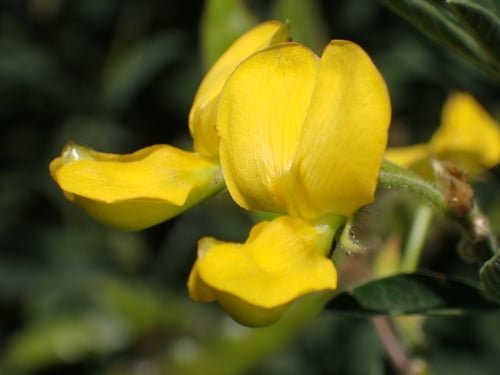
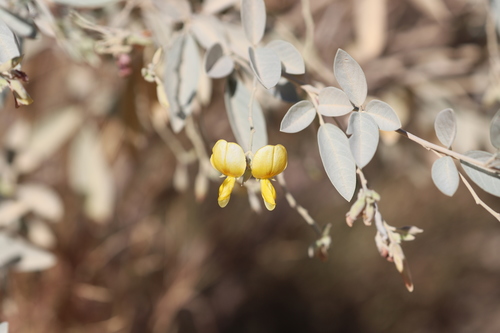
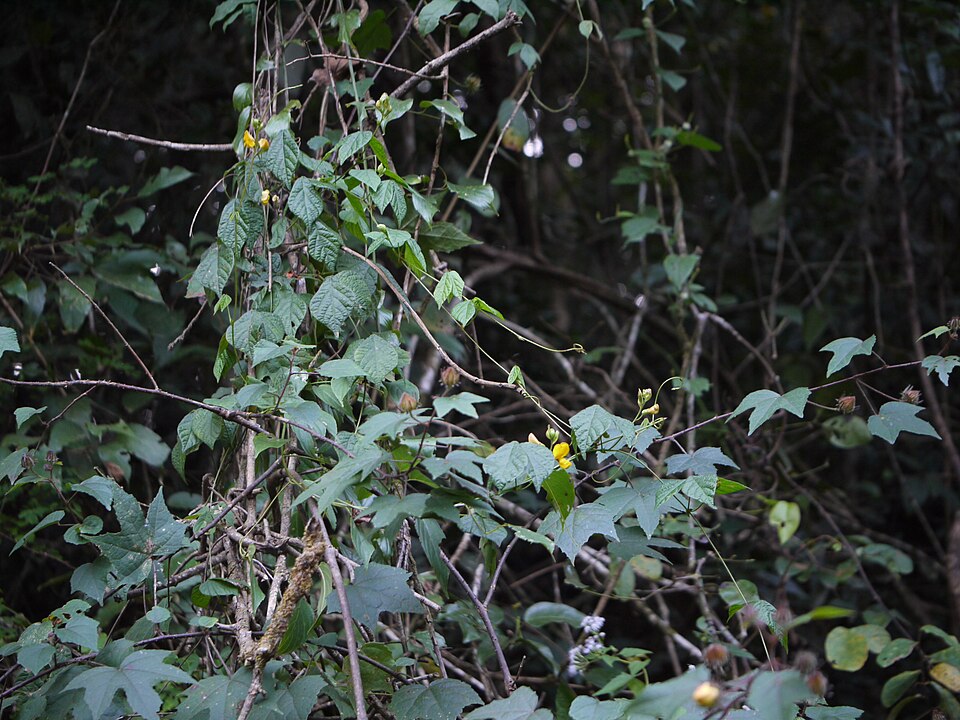
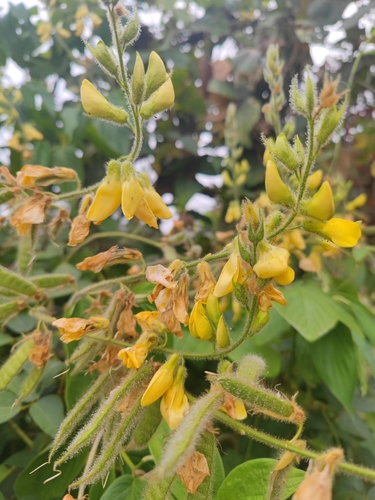
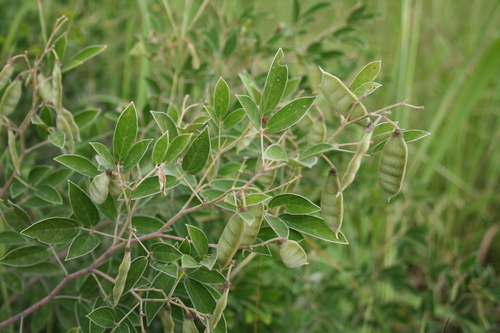
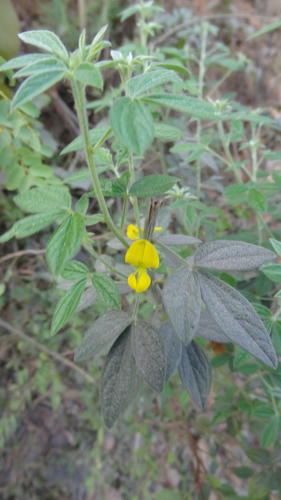
Oxytropis lambertii
Pursh
Crazy weed
iNaturalist· cc-by-nc
(c) Tyler Christensen, some rights reserved (CC BY-NC), uploaded by Tyler Christensen
iNaturalist· cc-by
(c) Sam Kieschnick, some rights reserved (CC BY), uploaded by Sam Kieschnick
iNaturalist· cc-by
(c) Sam Kieschnick, some rights reserved (CC BY), uploaded by Sam Kieschnick
Summary
Source: WikipediaOxytropis lambertii is a nitrogen-fixing perennial growing to 0.3 m (1 ft) tall. Hardy to UK zone 3. Hermaphroditic flowers bloom July to August. It prefers light sandy or medium loamy well-drained soils in mildly acid to basic pH levels. The plant requires full sun and tolerates both dry and moist soil.
Description
A bean family herb. There are 9-19 leaflets that are narrow. They are 1-2.5 cm long. The flower spikes are 4-10 cm long. The flowers are purple or violet. The fruit are pods that are firm and cylinder shaped.
Edible Uses
The roots and seeds are edible. The whole plant, including roots, is eaten by horses. Seeds can be parched or made into a mush for food. Caution is advised.
Traditional Uses
The plant is used to make a mush or parched and used for food.
This uses section is brief — help expand it
Medicinal Uses
None known
Known Hazards
The Oxytropis lambertii plant is one of the locoweeds most frequently implicated in livestock poisoning. The toxin is called swainsonine. Research suggests that the plant itself may not be toxic, but becomes toxic when inhabited by endophytic fungi of the genus Embellisia, which produce swainsonine.
Distribution
It is a temperate plant.
Where It Grows
Mexico, North America, USA,
Cultivation
Easily grown in an ordinary garden soil but prefers a sandy loam. Best in a deep, gritty perfectly drained soil in full sun. Strongly resents winter wet. A very ornamental and variable plant. Plants resent root disturbance and so should be pot-grown then and planted out into their permanent positions whilst still small. This species has a symbiotic relationship with certain soil bacteria called Rhizobia. These bacteria form nodules on the roots of the plants and fix atmospheric nitrogen, plants may fail to flourish due to the absence of the appropriate Rhizobium species. Some of the nitrogen is utilized by the growing plant but some can also be used by other plants growing nearby.
Propagation
Presoak seed for 24 hours in warm water, then sow in a greenhouse in early spring. Prick out seedlings into individual pots as soon as cotyledons emerge to avoid root damage. Grow on in the greenhouse and plant out the following spring. Divide in spring, though root disturbance is resented and division may not be advisable.
Other Uses
The plant fixes atmospheric nitrogen. It has scented properties.
Notes
There are about 300 Oxytropis species. It is considered to have medicinal properties.
Synonyms
References (4)
- Beckstrom-Sternberg, Stephen M., and James A. Duke. "The Foodplant Database." http://probe.nalusda.gov:8300/cgi-bin/browse/foodplantdb.(ACEDB version 4.0 - data version July 1994)
- Fl. Amer. sept. 2:740. 1813-1814
- Moerman, D. F., 2010, Native American Ethnobotany. Timber Press. p 374
- Plants for a Future database, The Field, Penpol, Lostwithiel, Cornwall, PL22 0NG, UK. http://www.scs.leeds.ac.uk/pfaf/