Hedysarum alpinum
L.
Alpine sweetvetch
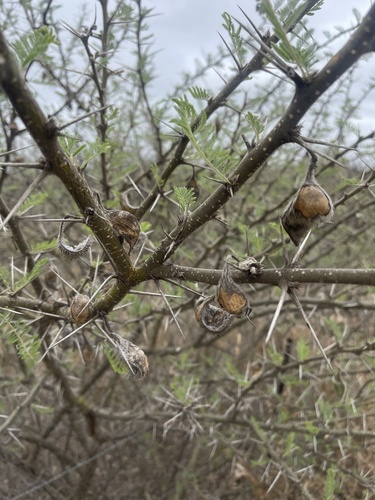
iNaturalist· cc-by-nc
(c) Donna Pomeroy, some rights reserved (CC BY-NC), uploaded by Donna Pomeroy
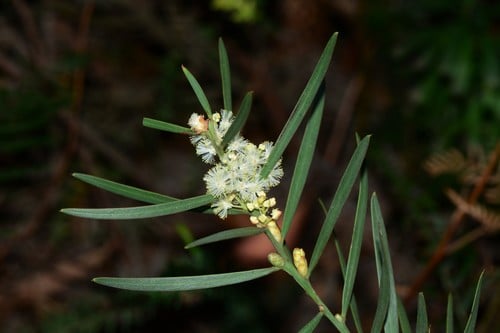
iNaturalist· cc-by-nc
(c) Matthias Buck, some rights reserved (CC BY-NC)
Summary
Source: WikipediaHedysarum alpinum is a species of flowering plant in the legume family known by the common name alpine sweetvetch, bear root, or eskimo potato. It is called masu, mashu, masru or mazu in the Iñupiaq language. It has a circumpolar distribution, occurring throughout the northern latitudes of the Northern Hemisphere. In North America it is widespread in Canada and the northernmost United States, including Alaska.
Description
A herb. It grows 15 cm high. The roots are long and 2 cm across. They are pale yellow and have an attractive smell. The stems are smooth and tall and branching. The leaves are smooth and green. They have 15-20 leaflets along the stalk. The flowers are pale pink. They occur in large numbers. The fruit is a pod which has 3-4 joints. These are 4-6 mm long.
Edible Uses
The root can be eaten raw or cooked and has a carrot-like flavour. It can be harvested from autumn through to spring and tastes best after exposure to frosts. Possibly toxic.
Traditional Uses
The root is eaten raw or dried and stored. They can be boiled or roasted. They are usually eaten with oil to avoid constipation.
This uses section is brief — help expand it
Medicinal Uses
None known.
Known Hazards
Please read The New Yorker link in the Reader Comments below
Distribution
A cold temperate plant. Subarctic. In Canada it grows in alpine regions. It grows in dry and well drained places. In north China it grows in swampy meadows and stony slopes.
Where It Grows
Alaska, Arctic, Asia, Canada, China, Korea, North America, Mongolia, North America, North Korea, Pakistan, Russia, Siberia, USA,
Cultivation
Easily grown in ordinary garden soil in a sunny position, preferring a deep well-drained sandy loam. Plants strongly resent root disturbance and should be placed in their permanent positions as soon as possible. The var. H. alpinum americanum. Michx. is used for food. This species has a symbiotic relationship with certain soil bacteria, these bacteria form nodules on the roots and fix atmospheric nitrogen. Some of this nitrogen is utilized by the growing plant but some can also be used by other plants growing nearby.
Propagation
Sow seed in a cold frame as soon as it is ripe or in spring. Stored seed should be pre-soaked in warm water for 24 hours before sowing. Prick seedlings into individual pots as soon as they are large enough to handle, then plant into permanent positions in summer. Division is possible in spring, though great care is needed as the plant dislikes root disturbance.
Other Uses
None known.
Notes
There are about 100 Hedysarum species.
Synonyms
Also Known As
Eskimo potato, Liquorice-root, Mashu, Masu, Muhzut
References (15)
- Bowser, M., 2017, Handout on Edible Plants of the Kenai Peninsula. USFWS Kenai National Wildlife Refuge p 14
- Etkin, N.L. (Ed.), 1994, Eating on the Wild Side, Univ. of Arizona. p 69
- Flora of Pakistan. www.eFloras.org
- Heller, C. A., 1962, Wild Edible and Poisonous Plants of Alaska. Univ. of Alaska Extension Service. p 57
- Jones, A., 2010, Plants that we eat. University of Alaska Press. p 141
Show all 15 references Hide references
- Kermath, B. M., et al, 2014, Food Plants in the Americas: A survey of the domesticated, cultivated and wild plants used for Human food in North, Central and South America and the Caribbean. On line draft. p 408
- MacKinnon, A., et al, 2009, Edible & Medicinal Plants of Canada. Lone Pine. p 265
- Moerman, D. F., 2010, Native American Ethnobotany. Timber Press. p 255
- Plants for a Future database, The Field, Penpol, Lostwithiel, Cornwall, PL22 0NG, UK. http://www.scs.leeds.ac.uk/pfaf/
- Porsild, A.E., 1953, Edible Plants of the Arctic, Arctic 6:15-34, page 30
- Porsild, A.E., 1974, Rocky Mountain Wild Flowers. Natural History Series No. 2 National Museums of Canada. p 260
- Sp. pl. 2:750. 1753
- Turner, N., 1997, Food Plants of Interior First Peoples. Royal BC Museum Handbook p 167
- Turner, N. J. et al, 2011, Edible and Tended Wild Plants, Traditional Ecological Knowledge and Agroecology. Critical Reviews in Plant Sciences, 30:198-225
- Urgamal, M., Oyuntsetseg, B., Nyambayar, D. & Dulamsuren, Ch. 2014. Conspectus of the vascular plants of Mongolia. (Editors: Sanchir, Ch. & Jamsran, Ts.). Ulaanbaatar, Mongolia. “Admon“ Press. 334pp. (p. 121-143).