Chamaecrista nomame
(Siebold) H. Ohashi
Tea cassia
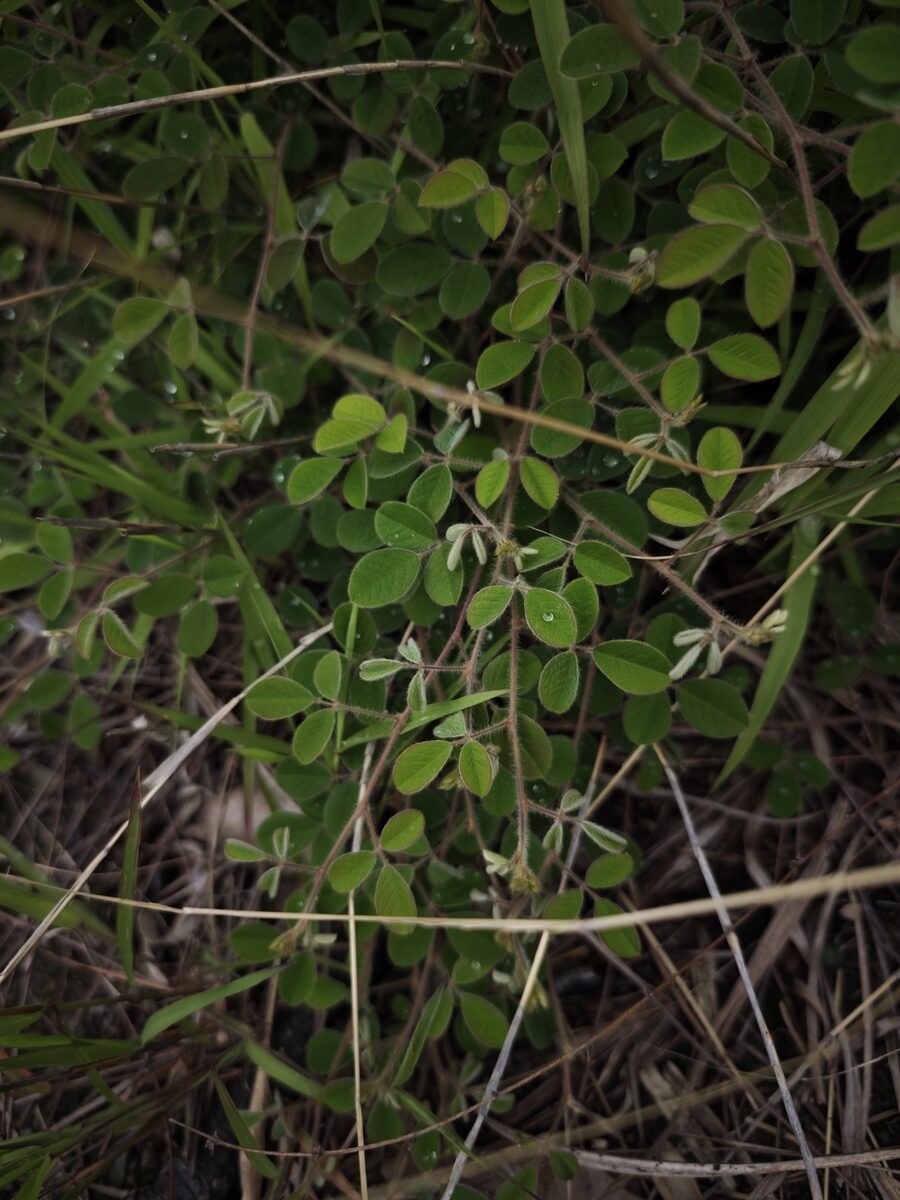
iNaturalist· cc-by-nc
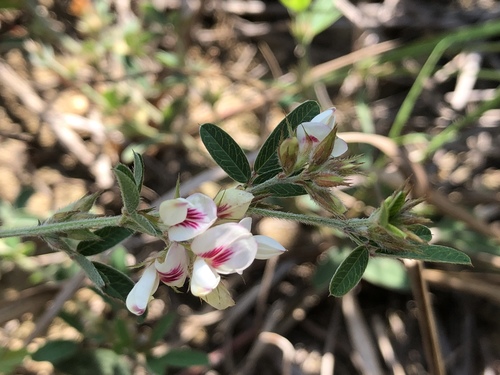
(c) Alexander Ganse, some rights reserved (CC BY-NC), uploaded by Alexander Ganse
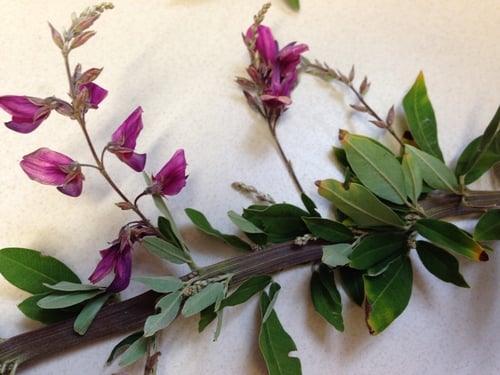
iNaturalist· cc-by-nc
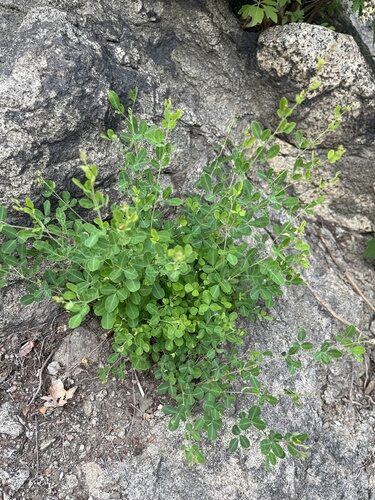
(c) b11112007, some rights reserved (CC BY-NC)
Description
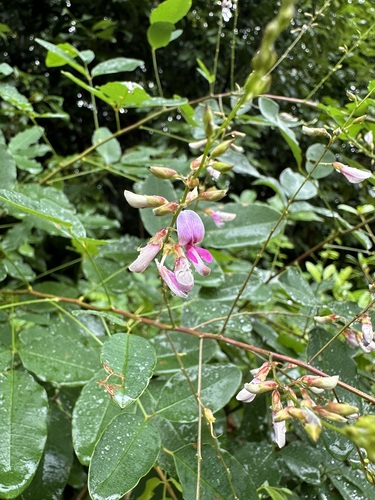
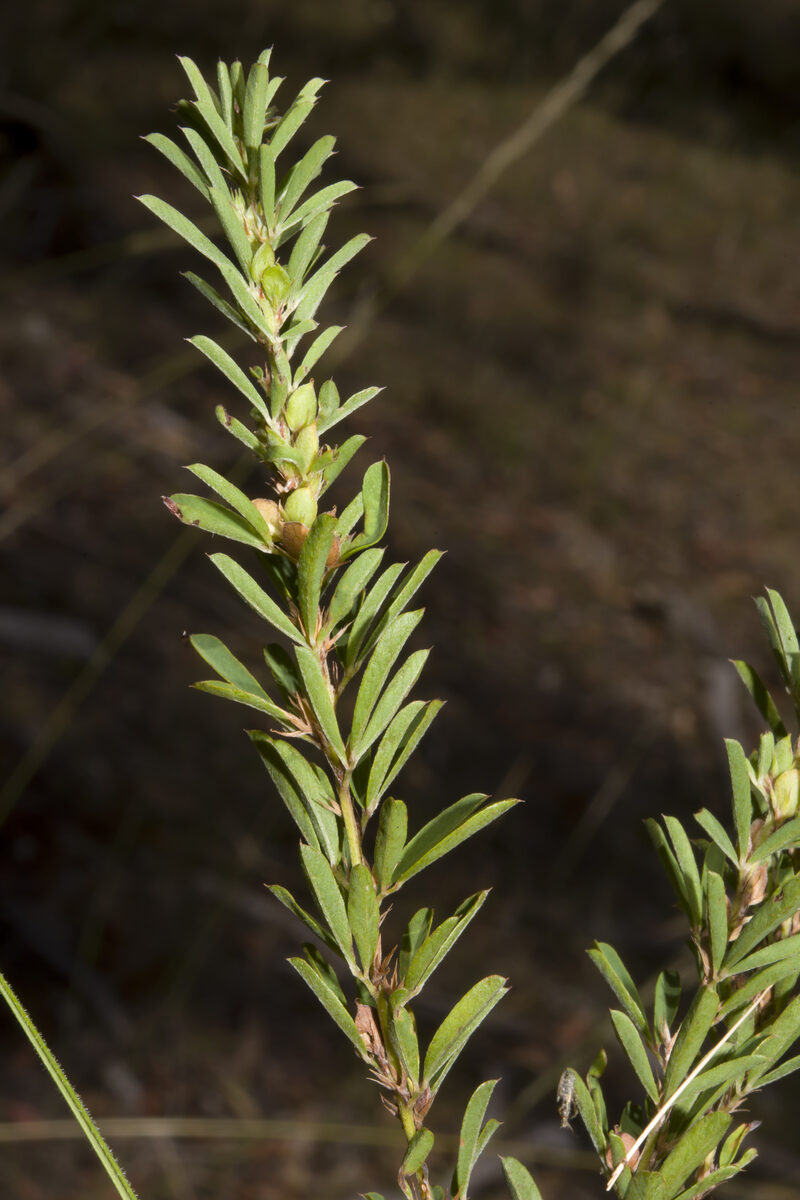
An erect annual herb. It can grow from seed each year or grow for a few years. It has many branches. It grows 10-60 cm high. The branches are hairy. The leaves have an even number of leaflets along the stalk. The leaves are 4-8 cm long. The leaflets are small. There are 16-30 pairs. They are 5-7 mm long by 2 mm wide. The flowers are yellow. They are 6 mm long. They are in clusters in the axils of leaves. The pods are narrow and compressed. They are 3-8 cm long. There are 6-12 seeds.
Edible Uses
The leaves are consumed as tea.
Distribution
It is a tropical and subtropical plant.
Where It Grows
Africa, Asia, Bhutan, China, East Africa, Ethiopia, Himalayas, India, Japan, Korea, Madagascar, Nepal, Pakistan, Southern Africa, Tanzania, Zimbabwe,
Notes
There are 100 Cassia species. This group has been revised to a smaller more consistent group. Also as Caesalpinaceae.
Synonyms
References (5)
- Altschul, S.V.R., 1973, Drugs and Foods from Little-known Plants. Notes in Harvard University Herbaria. Harvard Univ. Press. Massachusetts. no. 1696
- Hu, Shiu-ying, 2005, Food Plants of China. The Chinese University Press. p 469 (As Cassia nomame)
- Hwang, H., et al, 2013, A Study on the Flora of 15 Islands in the Western Sea of Jeollanamdo Province, Korea. Journal of Asia-Pacific Biodiversity Vol. 6, No. 2 281-310
- ILDIS Legumes of the World http:www:ildis.org/Legume/Web
- Pl. Sieb. in Siebold Kenkyu 552. 1938