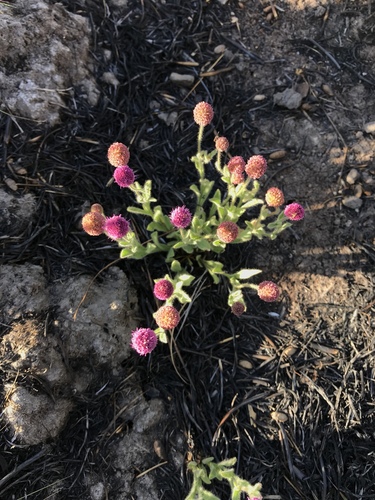
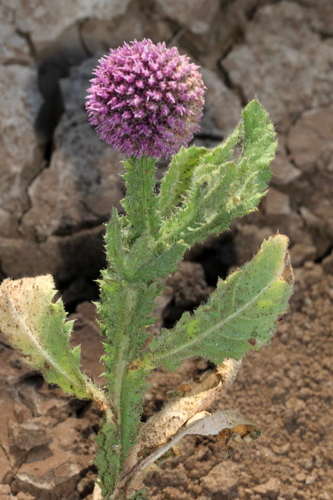
Lasiospermum bipinnatum
(Thunb.) Druce
iNaturalist· cc-by-nc
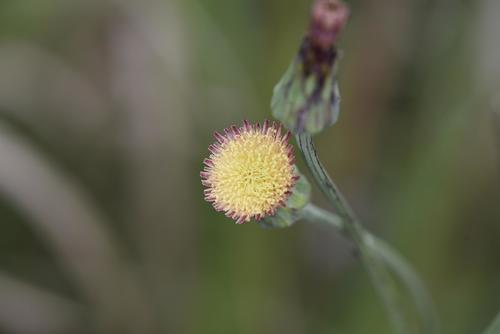
(c) Gerhard Malan, some rights reserved (CC BY-NC), uploaded by Gerhard Malan
iNaturalist· cc-by
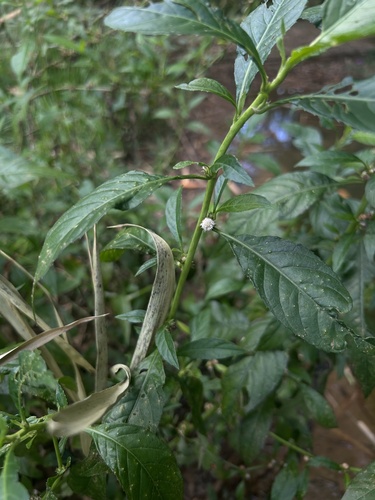
(c) Amy, some rights reserved (CC BY), uploaded by Amy
iNaturalist· cc-by-nc-nd
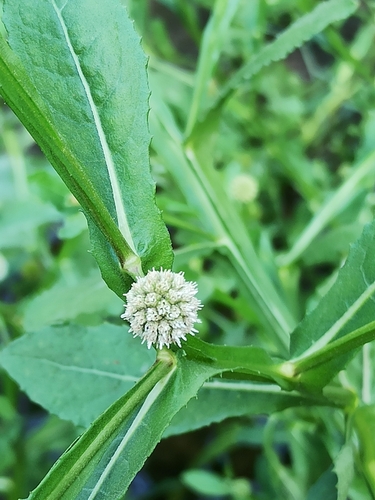
(c) Corinne Merry, some rights reserved (CC BY-NC-ND), uploaded by Corinne Merry
Description
A subtropical herb in the Asteraceae family found in arid places.
This description is brief — help expand it
Edible Uses
The leaves are used as a vegetable.
Traditional Uses
The leaves are used as a vegetable
This uses section is brief — help expand it
Distribution
It is a subtropical plant. It can grow in arid places.
Where It Grows
Africa, Australia, South Africa, Southern Africa, Tasmania,
Synonyms
Lancisia bipinnata (Thunb.) Pers.Lidbeckia bipinnata Thunb.Mataxa capensis Spreng.and others
References (4)
- Fox, F. W. & Young, M. E. N., 1982, Food from the Veld. Delta Books. p 129
- Royal Botanic Gardens, Kew (1999). Survey of Economic Plants for Arid and Semi-Arid Lands (SEPASAL) database. Published on the Internet; http://www.rbgkew.org.uk/ceb/sepasal/internet [Accessed 11th April 2011]
- Ruiters-Welcome, A. K., 2019, Food plants of southern Africa. Ph.D. thesis. Univ. of Johannesburg p 35
- Welcome, A. K. & Van Wyk, B.-E., 2019, An inventory and analysis of the food plants of southern Africa. South African Journal of Botany 122 (2019) 136–179