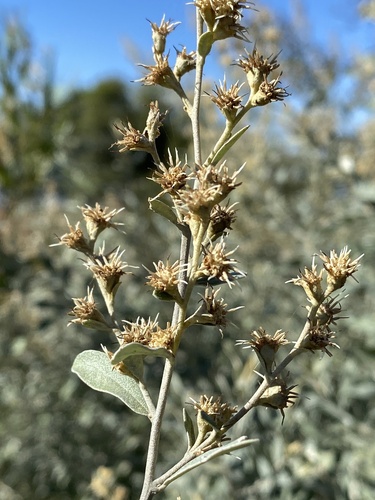
Laggera pterodonta
(DC.) Sch.Bip. ex Oliv.
iNaturalist· cc-by-nc
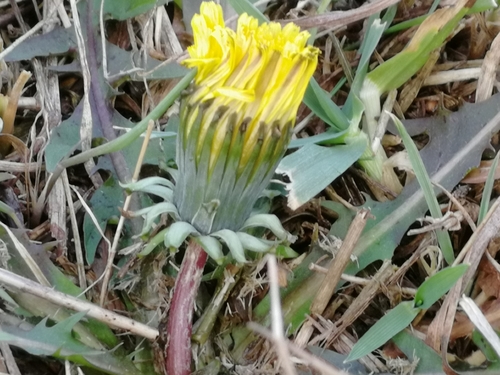
(c) heikev, some rights reserved (CC BY-NC)
iNaturalist· cc-by-nc
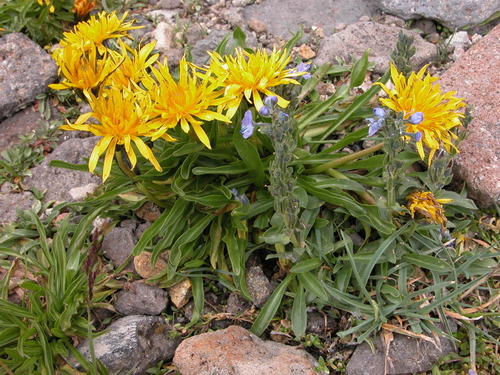
(c) heikev, some rights reserved (CC BY-NC)
iNaturalist· cc-by-nc
(c) heikev, some rights reserved (CC BY-NC)
Description
A tropical herb or shrub reaching 1.7 m tall in the daisy family, capable of growing in partly shaded conditions.
This description is brief — help expand it
Edible Uses
The leaves are boiled and eaten, typically after being blanched in hot water then soaked in cold water before cooking.
Traditional Uses
The leaves are boiled and eaten. They are blanched in hot water then soaked in cold water before cooking.
This uses section is brief — help expand it
Medicinal Uses
The plant has antiviral medicinal uses.
Known Hazards
Caution advised with leaf consumption.
Distribution
It is a tropical plant. It can grow in partly shaded places.
Where It Grows
Africa, Asia, Cameroon, China, Himalayas, India, Indochina, Myanmar, Nepal, Nigeria, Northeastern India, SE Asia, Senegal, Sierra Leone, Southern Africa, Tanzania, Thailand,
Notes
It has antiviral medicinal uses.
Synonyms
Also Known As
Ko kuna sigi, Taba agbe, Wo sa la ma
References (2)
- Kar, A., et al, 2013, Wild Edible Plant Resources used by the Mizos of Mizoram, India. Kathmandu University Journal of Science, Engineering and Technology. Vol. 9, No. 1, July, 2013, 106-126 (As Blumea pterodonta)
- Luo, B., et al, 2019, Wild edible plants collected by Hani from terraced rice paddy agroecosystem in Honghe Prefecture, Yunnan, China. Journal of Ethnobiology and Ethnomedicine 15:56