Oxyanthus speciosus
DC.
Whip stick afro-loquat
iNaturalist· cc-by-nc
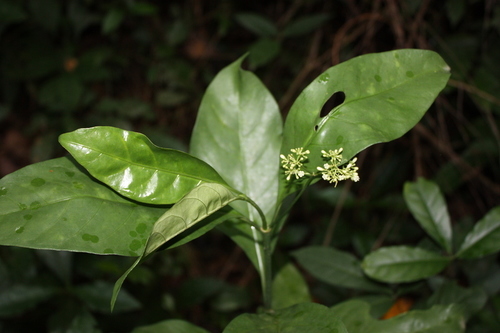
(c) Joan Faiola, some rights reserved (CC BY-NC), uploaded by Joan Faiola
iNaturalist· cc-by-nc
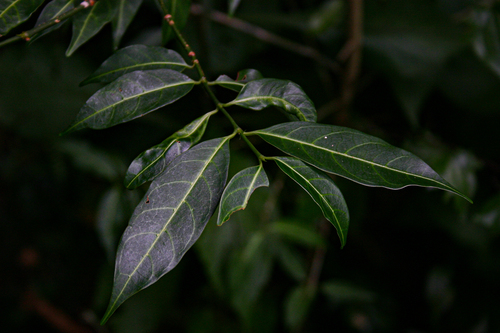
(c) Troos van der Merwe, some rights reserved (CC BY-NC)
Description
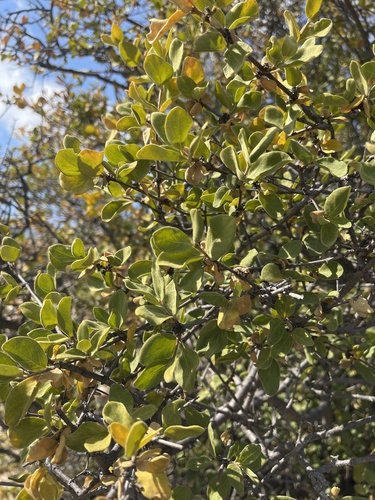
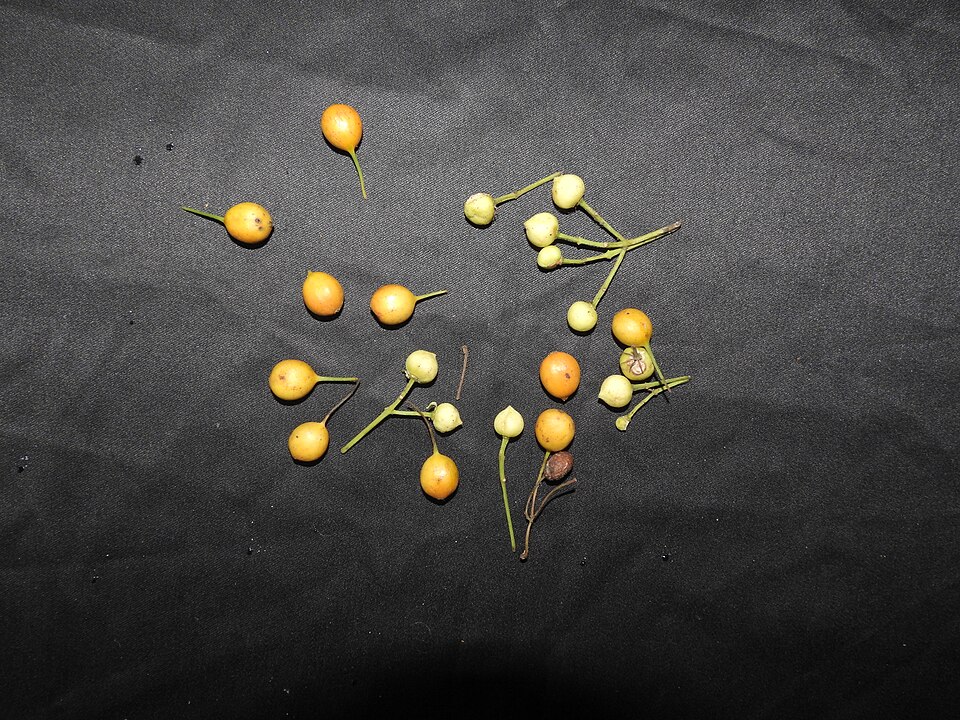
A shrub or small tree. It grows 4-8 m high. The bark is smooth and the branches hang over. The leaves are oblong and 16 cm long by 5 cm wide. They are shiny. The flowers are white and in groups in the axils of leaves. They have a scent. The fruit are black and shiny. They are 5 cm long.
Edible Uses
The fruit is eaten, and the stem is used as a chewstick.
Traditional Uses
The stem is used as a chewstick. The leaves are soaked in palm wine to produce a smell and make it more intoxicating.
This uses section is brief — help expand it
Medicinal Uses
The leaves are soaked in palm wine to produce a smell and make it more intoxicating.
Distribution
It is a tropical plant. It grows in the rainforest usually near streams. It suits humid locations. It can be in the lowlands or mountains. In Nigeria it is recorded at 1,830 m above sea level. It grows in gaps exposed to light in the forest.
Where It Grows
Africa, Angola, Benin, Cameroon, Central Africa, Central African Republic, CAR, Congo DR, East Africa, Ethiopia, Ghana, Guinea, Guinée, Guinea-Bissau, Kenya, Malawi, Mozambique, Nigeria, Sao Tome and Principe, Senegal, Sierra Leone, South Africa, Southern Africa, Tanzania, West Africa, Zambia, Zimbabwe,
Other Uses
The wood is used for building poles, whipsticks and tool handles. The wood is used for fuel.
Notes
There are about 50 Oxyanthus species. They are tropical and subtropical. Subsp. stenocarpus in Zimbabwe.
Synonyms
Also Known As
Kinsungu, Kinsungwa