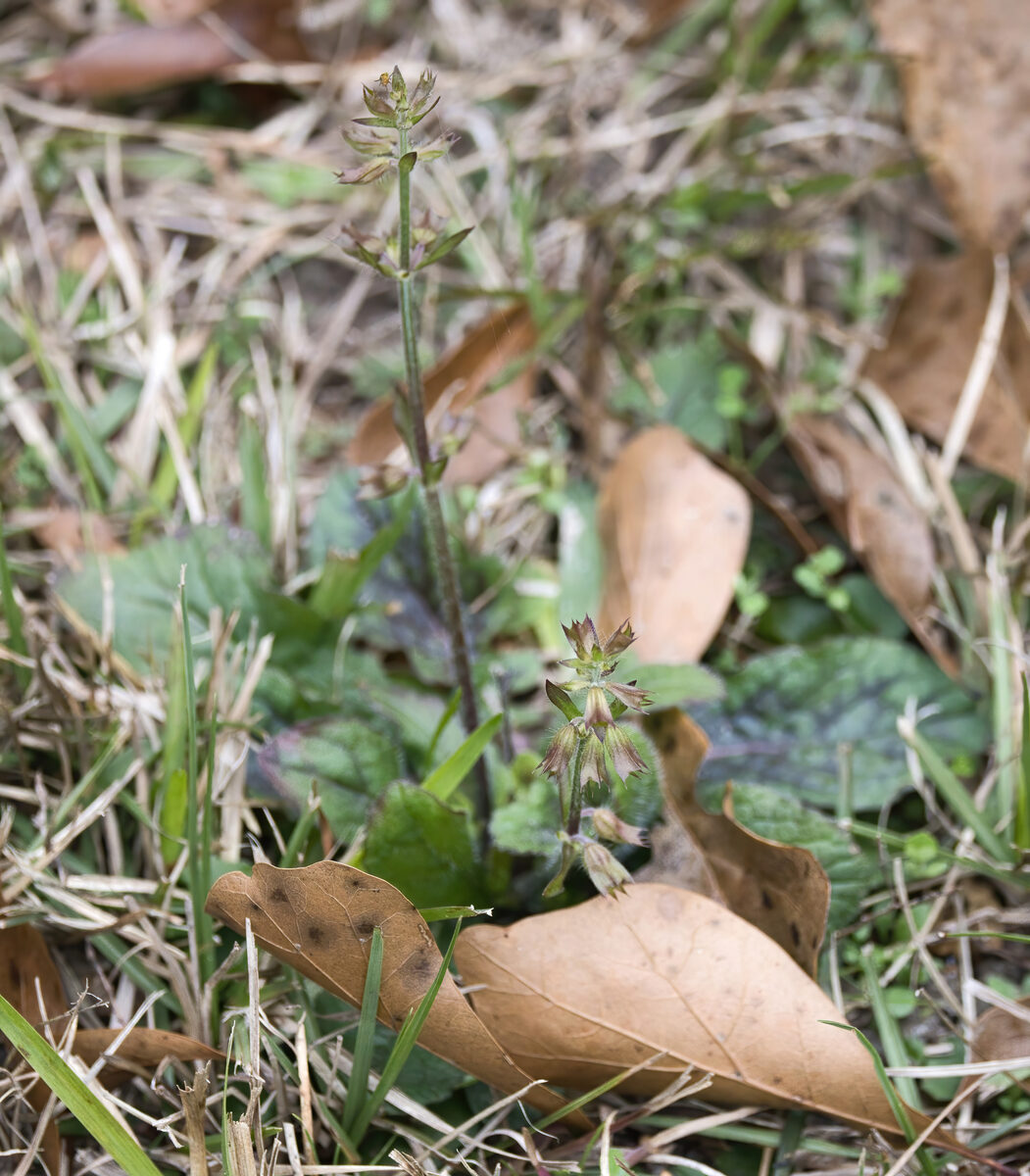
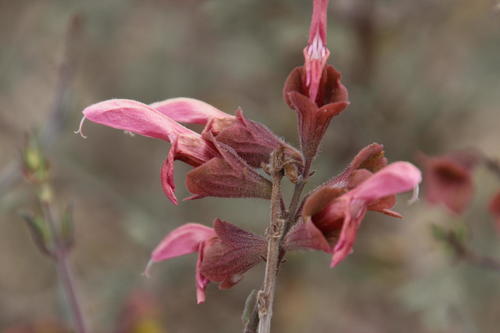
Hedeoma drummondii
Benth.
Drummond's falsepennyroyal
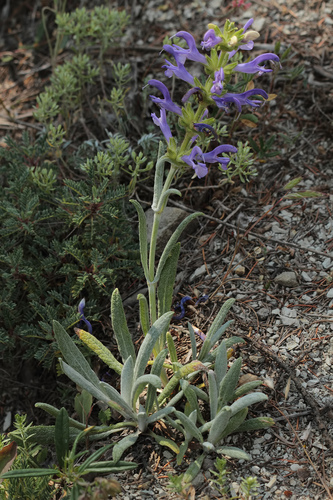
iNaturalist· cc-by
(c) Alex Abair, some rights reserved (CC BY), uploaded by Alex Abair
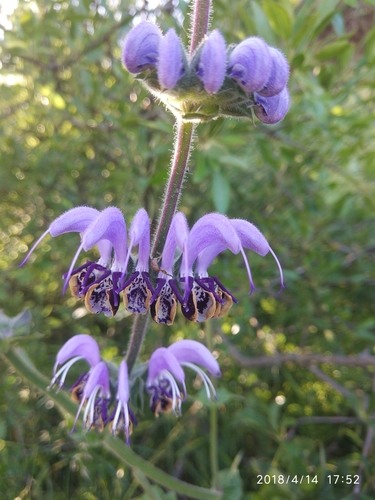
iNaturalist· cc-by-sa
(c) Juan Cruzado Cortés, some rights reserved (CC BY-SA), uploaded by Juan Cruzado Cortés
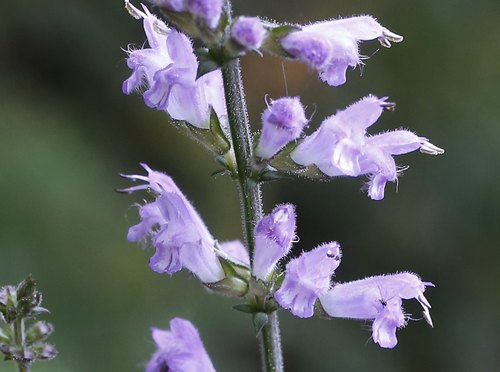
iNaturalist· cc-by-nc-sa
(c) María Eugenia Mendiola González, some rights reserved (CC BY-NC-SA), uploaded by María Eugenia Mendiola González
Summary
Source: WikipediaHedeoma drummondii is a species of flowering plant in the mint family known by the common name Drummond's false pennyroyal. It is native to western North America, where it is distributed mainly in the United States west of the Mississippi River and adjacent Mexico. This is a hairy perennial herb with an erect mintlike form up to 45 centimeters tall. The oppositely arranged paired leaves are linear to narrowly oval in shape, pointed, and up to about a centimeter long. The leaves have a strong sweet mint scent when crushed. The herb tastes like peppermint and is used as a minty flavoring in parts of Mexico. The inflorescence arises from the axils of these leaf pairs, bearing three to seven flowers each between one and two centimeters in length on short pedicels. The flowers are generally light to deep lavender with some white markings. The fruit is a waxy, mucilaginous nutlet.
Description
A subtropical herb in the mint family (Lamiaceae) with aromatic leaves and flowering tops used for culinary and beverage purposes.
This description is brief — help expand it
Edible Uses
The leaves and flowering tops are used as a flavoring similar to peppermint, in soups, and brewed as tea.
Traditional Uses
Flavouring like peppermint. The leaves are used for soup. The leaves are flowering tops are used for teas.
This uses section is brief — help expand it
Distribution
It is a subtropical plant.
Where It Grows
Central America, Mexico, North America, USA,
Notes
There are about 24-38 Hedeoma species.
Also Known As
New Mexican pennyroyal, Polello, Poleo, Toronjil
References (7)
- Altschul, S.V.R., 1973, Drugs and Foods from Little-known Plants. Notes in Harvard University Herbaria. Harvard Univ. Press. Massachusetts. no. 3823
- Beckstrom-Sternberg, Stephen M., and James A. Duke. "The Foodplant Database." http://probe.nalusda.gov:8300/cgi-bin/browse/foodplantdb.(ACEDB version 4.0 - data version July 1994)
- Estrada-Castillon, E., et al, 2014, Ethnobotany in Rayones, Nuevo Leon, Mexico. Journal of Ethnobiology and Ethnomedicine, 10:62
- Kermath, B. M., et al, 2014, Food Plants in the Americas: A survey of the domesticated, cultivated and wild plants used for Human food in North, Central and South America and the Caribbean. On line draft. p 406
- Labiat. gen. spec. 368. 1834
Show all 7 references Hide references
- Moerman, D. F., 2010, Native American Ethnobotany. Timber Press. p 255
- World Checklist of Useful Plant Species 2020. Royal Botanic Gardens, Kew