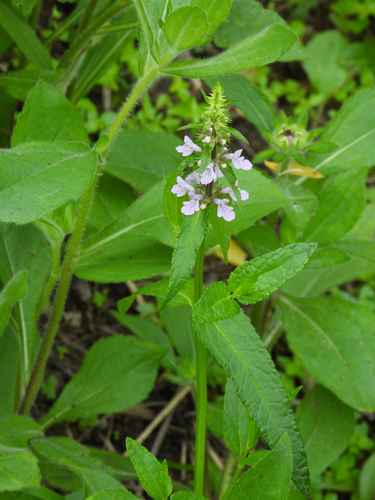
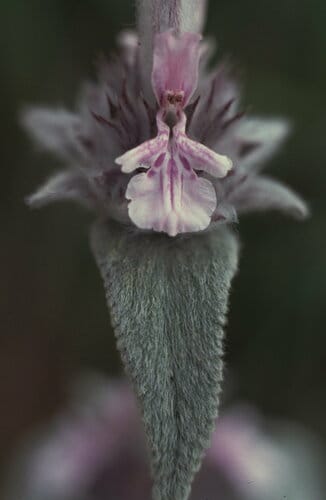
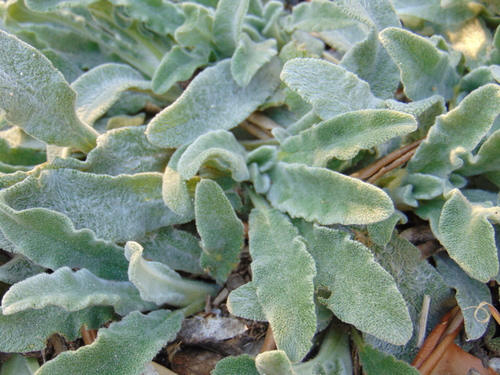
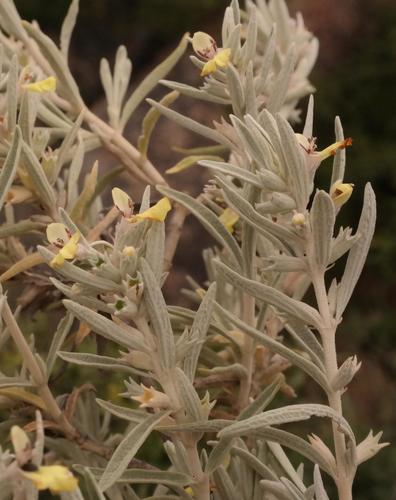
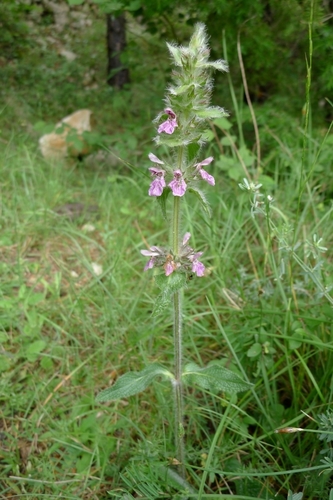
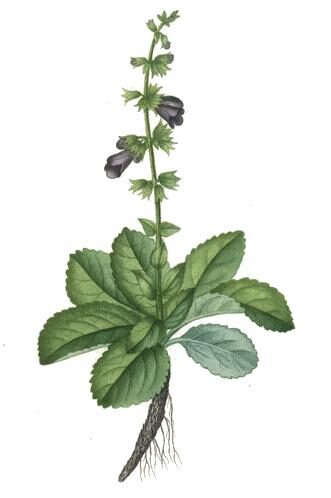
Salvia lanata
Roxb.
gbif· cc-by
Lauren McLaurin
gbif· cc-by-nc
barbaradie
gbif· cc-by-nc
Aaron Echols
Description
Salvia lanata is a PERENNIAL growing to 0.3 m (1ft). See above for USDA hardiness. It is hardy to UK zone 7. The species is hermaphrodite (has both male and female organs) and is pollinated by Insects. Suitable for: light (sandy) and medium (loamy) soils and prefers well-drained soil. Suitable pH: mildly acid, neutral and basic (mildly alkaline) soils. It cannot grow in the shade. It prefers dry or moist soil.
Edible Uses
Stems are peeled and eaten.
Medicinal Uses
Astringent Dysentery Emetic Poultice. The roots are used in the treatment of colds and coughs. The seed is emetic. It is used in the treatment of dysentery, haemorrhoids, colic and, externally, boils. A poultice of the leaves is used as a dressing for wounds and is also applied to itchy skin.
Distribution
E. Asia - Himalayas from Nepal to N.W. Pakistan.
Where It Grows
Coming Soon
Cultivation
Requires a very well-drained light sandy soil in a sunny position. Prefers a rich soil. Plants can be killed by excessive winter wet. Members of this genus are rarely if ever troubled by browsing deer.
Propagation
Seed - sow March/April in a greenhouse. Germination usually takes place within 2 weeks. Prick out the seedlings into individual pots when they are large enough to handle and plant them out in early summer. In areas where the plant is towards the limits of its hardiness, it is best to grow the plants on in a greenhouse for their first winter and plant them out in late spring of the following year. Cuttings of half-ripe wood succeed at almost any time in the growing season.