Cupaniopsis anacardioides
(A. Richard) Radlkofer
Tuckeroo, Beach Tamarind, Carrotwood
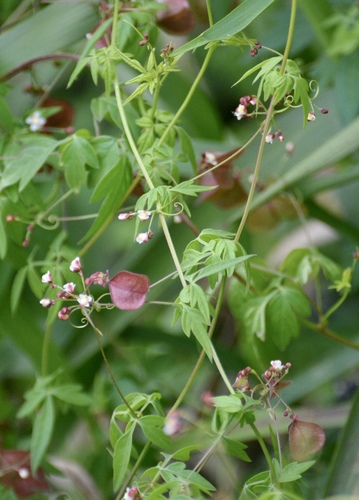
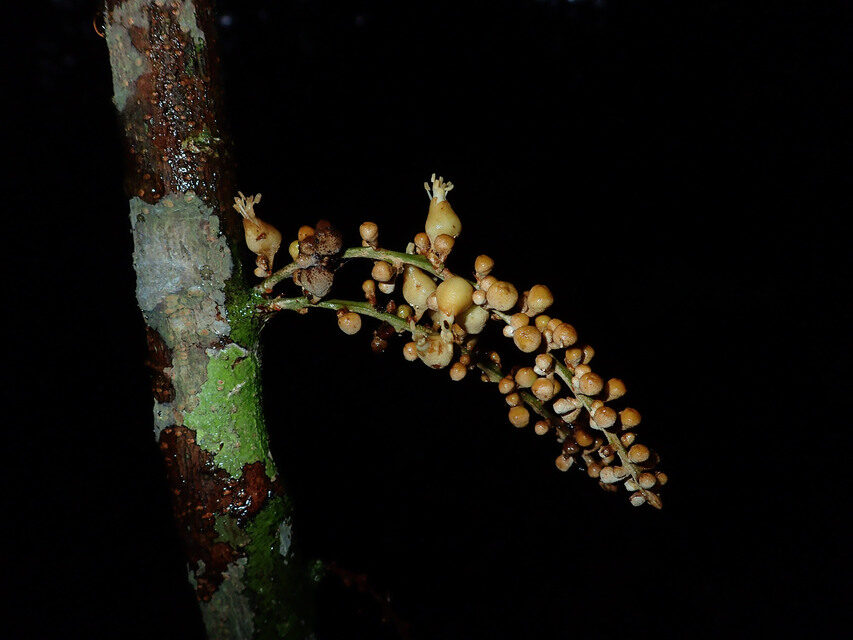
iNaturalist· cc-by-nc
(c) Martin LaBar, some rights reserved (CC BY-NC)
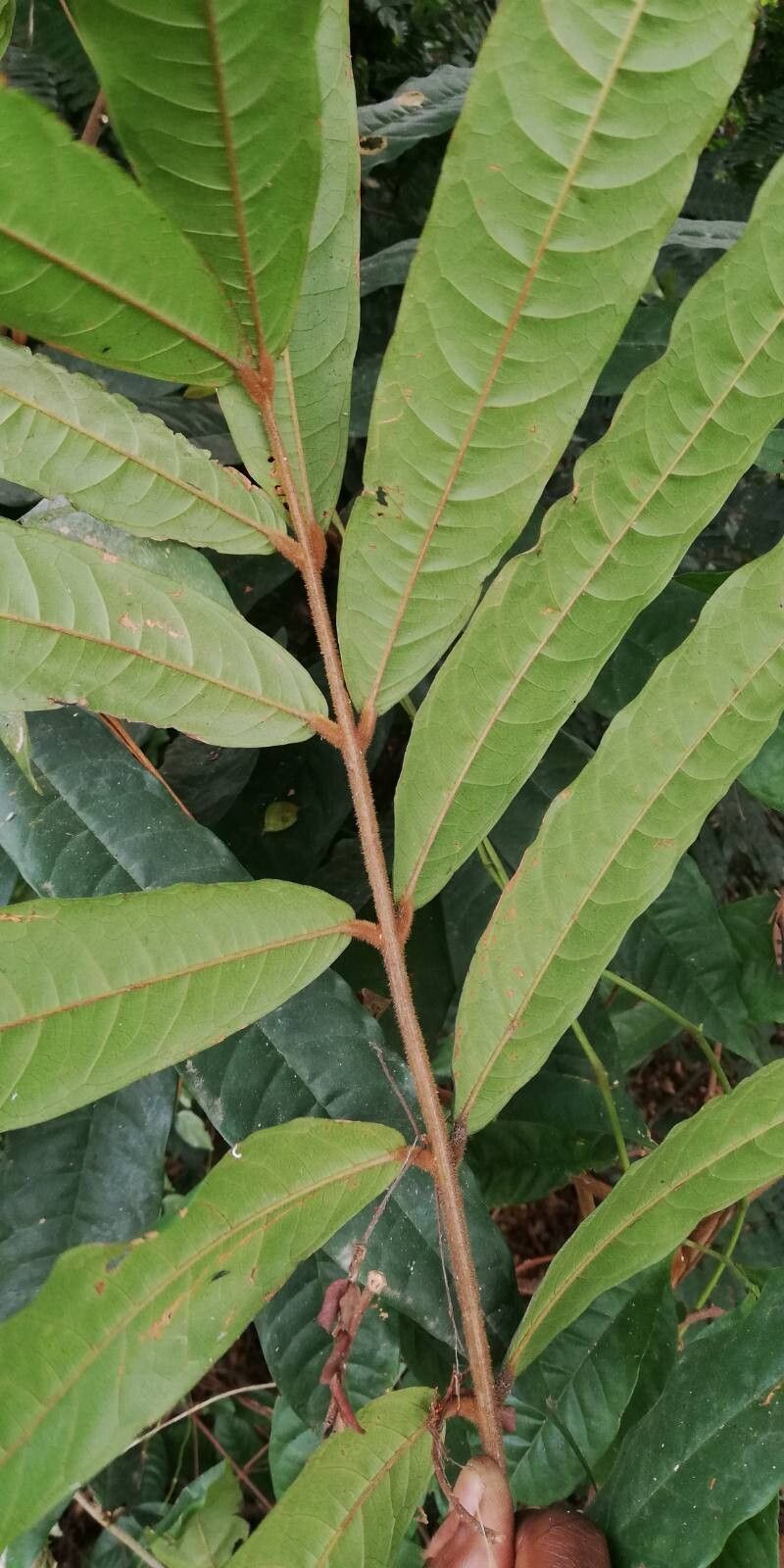
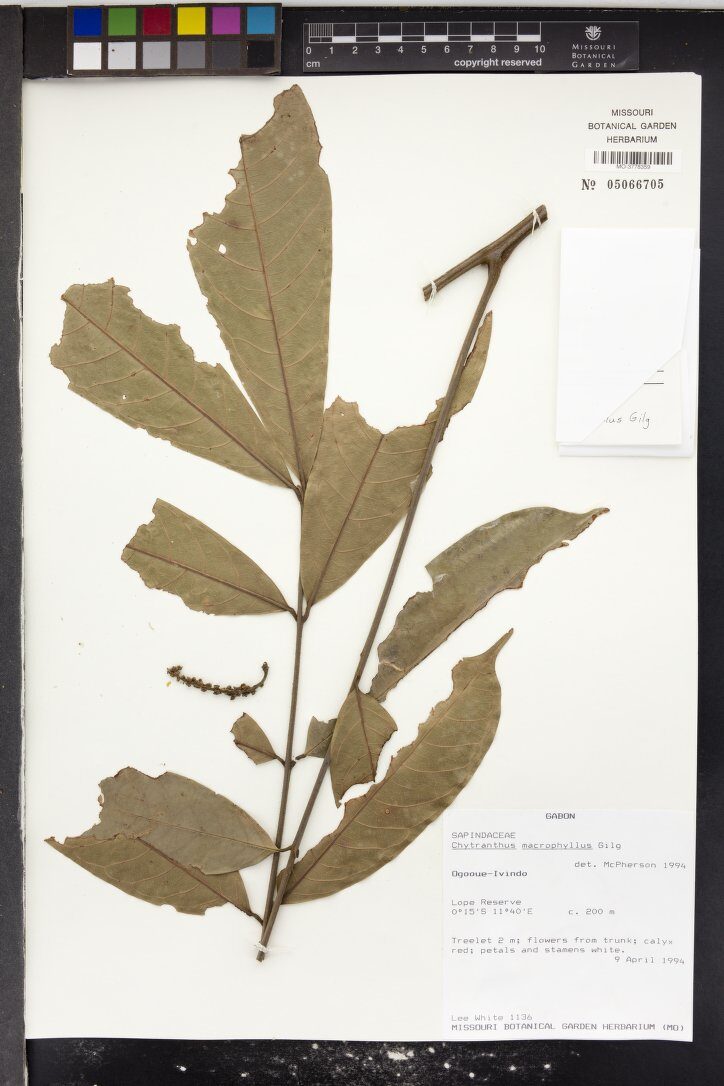
iNaturalist· cc-by-nc
(c) Kyle Eaton, some rights reserved (CC BY-NC)
Summary
Source: WikipediaCupaniopsis anacardioides, commonly known as tuckeroo, cashew-leaf cupania, carrotwood, beach tamarind or green-leaved tamarind, is a species of flowering plant in the family, Sapindaceae, and is native to eastern and northern Australia. It is a tree with paripinnate leaves with 4 to 8 egg-shaped leaflets with the narrower end towards the base, or elliptic leaves, and separate male and female flowers arranged in panicles, the fruit a more or less spherical golden yellow capsule.
Description
An evergreen tree. It grows 8-15 m high. It can spread 5-15 m across. It has a dense rounded crown. The trunk is smooth and pale grey. The inner bark is orange. The leaves have leaflets along the stalk. The leaves are 10-20 cm long with 2-6 pairs of opposite leaflets. The leaflets are leathery and dark green. They are oblong with a rounded tip. They are 7-10 cm long by 3-5 cm wide. The flowers are greenish-white. The fruit occur in long chains. They are orange. They are leathery and have 3-6 lobes. They are 1-2 cm across. The seeds are black. They have a reddish attachment.
Edible Uses
The ripe orange fruit are eaten, specifically the fleshy aril or layer surrounding the seeds.
Traditional Uses
The ripe orange fruit are eaten. It is the fleshy aril or layer around the seeds that is eaten.
This uses section is brief — help expand it
Distribution
It grows in warm temperate to tropical places. It is native to Australia. In tropical Queensland it grows from sea level to 800 m altitude. It needs good drainage. It can grow in dry soil. It can grow in full sun or light shade. It can grow in coastal regions. It can tolerate salt. It is damaged by frost. It suits hardiness zones 9-11. Melbourne Botanical Gardens. Arboretum Tasmania.
Where It Grows
Asia, Australia*, Hawaii, India, Pacific, North America, Pakistan, Tasmania, USA,
Cultivation
Plants can be grown from fresh seed. Seed should be soaked before planting. It can take one month for seed to germinate. It should be grown vegetatively from good fruiting trees. This can be done by layering.
Production
It is a slow growing tree.
Notes
There are 60 Cupaniopsis species. It can be invasive.
Synonyms
Also Known As
Bulkul
References (26)
- Anon., 2003, Native Plants for the Fitzroy basin. Society for Growing Australian Plants Inc. (Rockhampton Branch)
- Bodkin, F., 1991, Encyclopedia Botanica. Cornstalk publishing, p 306
- Calvert, G., 2010, The Burdekin Delta Tree Guide. Lower Burdekin Landcare Association., Inc., Ayr p 65
- Cooper, W. and Cooper, W., 2004, Fruits of the Australian Tropical Rainforest. Nokomis Editions, Victoria, Australia. p 481
- Cronin, L., 1989, The Concise Australian Flora. Reed. p 173
Show all 26 references Hide references
- Cundall, P., (ed.), 2004, Gardening Australia: flora: the gardener's bible. ABC Books. p 443
- J. S. C. Dumont d'Urville, Voy. Astrolabe 2:33, t. 13. 1834 (Sert. Astrolab.)
- Etherington, K., & Imwold, D., (Eds), 2001, Botanica's Trees & Shrubs. The illustrated A-Z of over 8500 trees and shrubs. Random House, Australia. p 244
- Haslam, S., 2004, Noosa's Native Plants. Noosa Integrated Catchment Assn. Inc. p 22
- Heywood, V.H., Brummitt, R.K., Culham, A., and Seberg, O., 2007, Flowering Plant Families of the World. Royal Botanical Gardens, Kew. p 294
- Hibbert, M., 2002, The Aussie Plant Finder 2002, Florilegium. p 77
- Holliday, I., 1989, A Field Guide to Australian Trees. Hamlyn. p 116
- Jackes, B.R., 2001, Plants of the Tropics. Rainforest to Heath. An Identification Guide. James Cook University. p 80
- Krishen P., 2006, Trees of Delhi, A Field Guide. DK Books. p 247
- Leiper, G & Houser, J., Mutooroo. Plant Use by Australian Aboriginal People. Assembly press, Queensland.
- Lord, E.E., & Willis, J.H., 1999, Shrubs and Trees for Australian gardens. Lothian. p 14
- Marinelli, J. (Ed), 2004, Plant. DK. p 451
- Melzer, R. & Plumb, J., 2011, Plants of Capricornia. Belgamba, Rockhampton. p 325
- Molyneux, B & Forrester, S., 1997, The Austraflora A-Z of Australian Plants. Reed. p 71
- Nicholson, N & H., 1996, Australian Rainforest Plants, Terania Rainforest Publishing. NSW. p 23
- Paczkowska, G . & Chapman, A.R., 2000, The Western Australian Flora. A Descriptive Catalogue. Western Australian Herbarium. p 528
- Pearson, S. & A., 1992, Rainforest Plants of Eastern Australia. Kangaroo Press p 74
- Staples, G.W. and Herbst, D.R., 2005, A tropical Garden Flora. Bishop Museum Press, Honolulu, Hawaii. p 517
- Townsend, K., 1994, Across the Top. Gardening with Australian Plants in the tropics. Society for Growing Australian Plants, Townsville Branch Inc. p 149
- Townsend, K., 1999, Field Guide to Plants of the Dry Tropics. Society for Growing Australian Plants, Townsville Branch Inc. p 41
- Williams, J.B., Harden, G.J., and McDonald, W.J.F., 1984, Trees and shrubs in rainforests of New South Wales and Southern Queensland. Univ. of New England, Armidale. p 43