Cupania scrobiculata
Rich.
Pitted cupania
iNaturalist· cc-by-nc
(c) leojales, some rights reserved (CC BY-NC), uploaded by leojales
iNaturalist· cc-by-nc
(c) David Zipper, some rights reserved (CC BY-NC)
iNaturalist· cc-by-nc
(c) David Zipper, some rights reserved (CC BY-NC)
Description
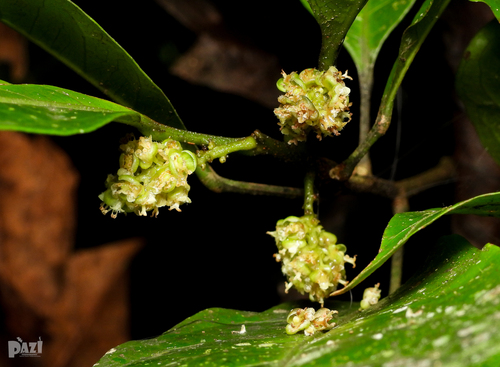
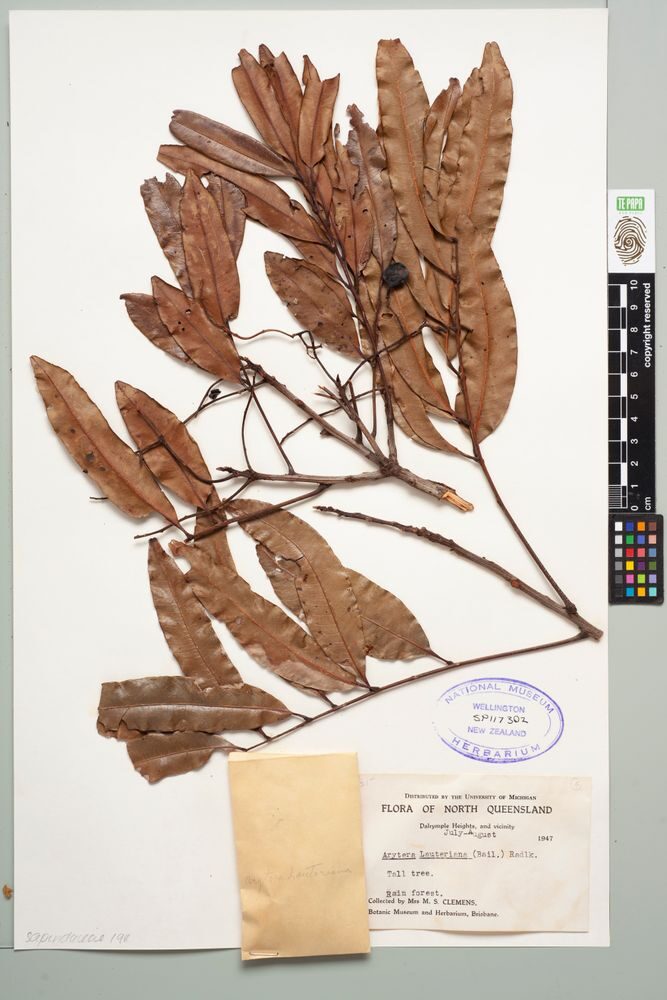
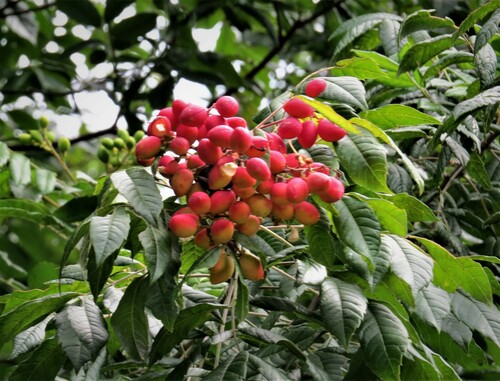
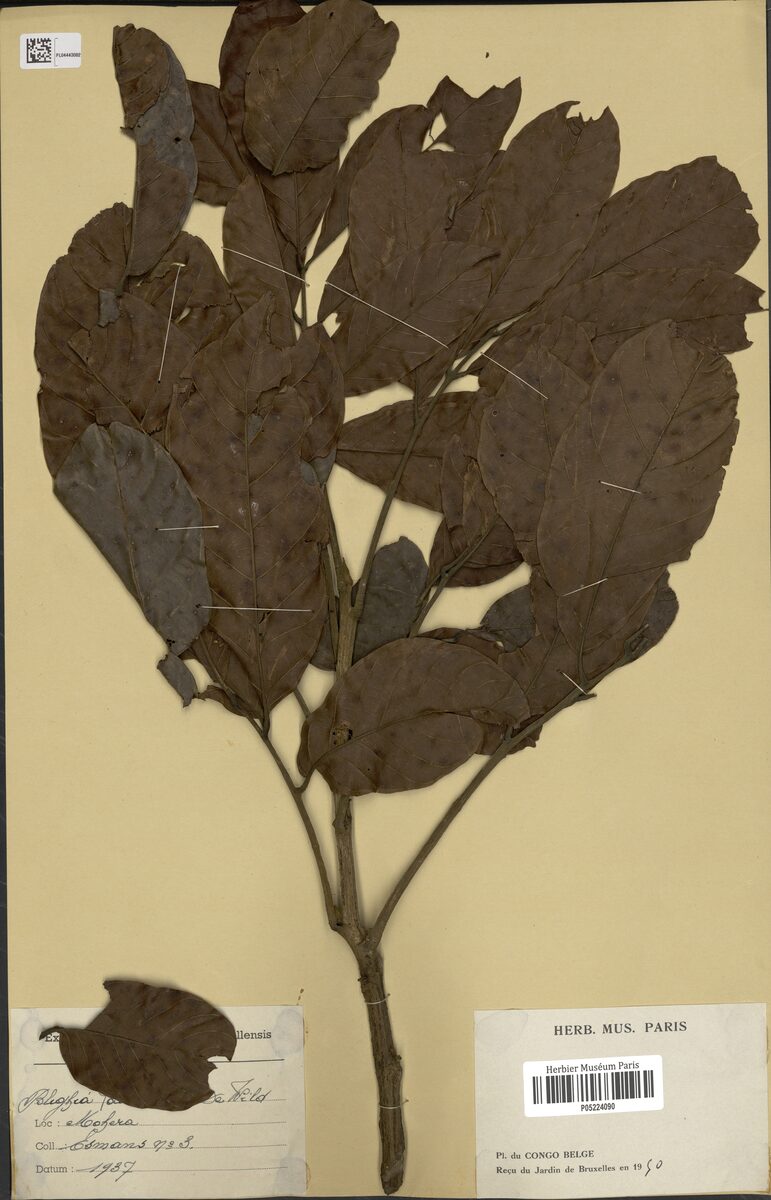
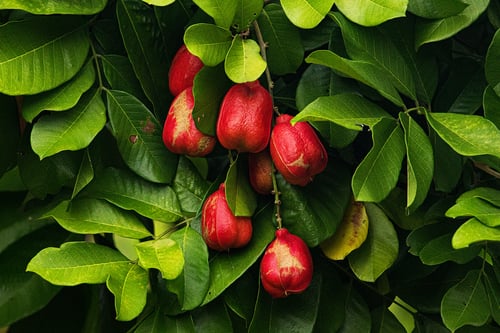
A tree. It grows 10 m tall. The branches have ribs. They have rusty hairs. The leaves are compound and alternate. The leaves have 6-8 leaflets. The flowers are in groups at the ends of branches and are rusty hairy. The fruit is a 3 lobed capsule. They are wrinkled and greenish-yellow.
Edible Uses
The fleshy aril surrounding the seed is eaten, as is the fruit.
Traditional Uses
The fleshy layer around the seed is eaten.
This uses section is brief — help expand it
Distribution
It is a tropical plant. It grows in the forest.
Where It Grows
Belize, Bolivia, Brazil, Central America, Colombia, Costa Rica, Ecuador, El Salvador, Guatemala, French Guiana, Guianas, Guyana, Honduras, Mexico, Nicaragua, North America, Panama, Peru, South America, Suriname, Venezuela,
Cultivation
Grows best in a sunny position. Prefers a well-drained soil. Young plants have a fast rate of growth. The tree is a good source of food for the native fauna.
Propagation
Seed - best sown as soon as it is ripe in a partially shaded position in a nursery seedbed. A germination rate of less than 50% can be expected, with the seed sprouting within 25 - 35 days.
Other Uses
The wood is medium-textured, straight-grained, moderately heavy, easy to cut, with a slight susceptibility to the attacks of wood-eating organisms. It can be used as scantling and boards in general construction, and also for door and window frames, panels etc. A fast-growing tree that is tolerant of full sun and provides food for the native fauna; it can be used as a pioneer species when restoring native woodland.
References (6)
- Condit, R., et al, 2011, Trees of Panama and Costa Rica. Princeton Field Guides. p 430
- Grandtner, M. M., 2008, World Dictionary of Trees. Wood and Forest Science Department. Laval University, Quebec, Qc Canada. (Internet database http://www.WDT.QC.ca)
- Grandtner, M. M. & Chevrette, J., 2013, Dictionary of Trees, Volume 2: South America: Nomenclature, Taxonomy and Ecology. Academic Press p 184
- Kew Plants of the World Online
- Roa, J. A. G. & Boada, D. S. G., 2018, Fundación para el Fortalecimiento de la Fruticultura y Plantas Alimenticias no Convencionales en Colombia.
Show all 6 references Hide references
- van Andel, T., 2000, Useful plants of Guyana. Non-timber forest products of the North-West District of Guyana. Part 2. A Field Guide. Tropenbos-Guyana Programme. p 303 (As Cupania scrobiculata var. reticulata)