Hakea rhombales
F. Muell
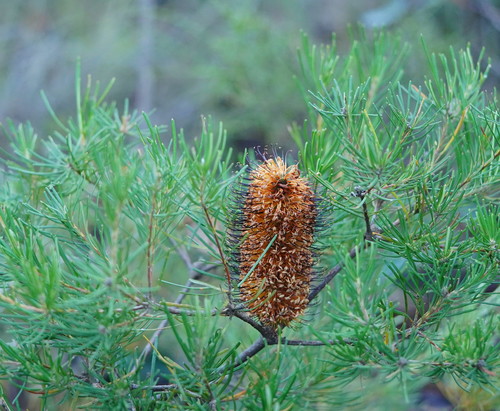
iNaturalist· cc-by-sa
(c) Geoff Derrin, some rights reserved (CC BY-SA)
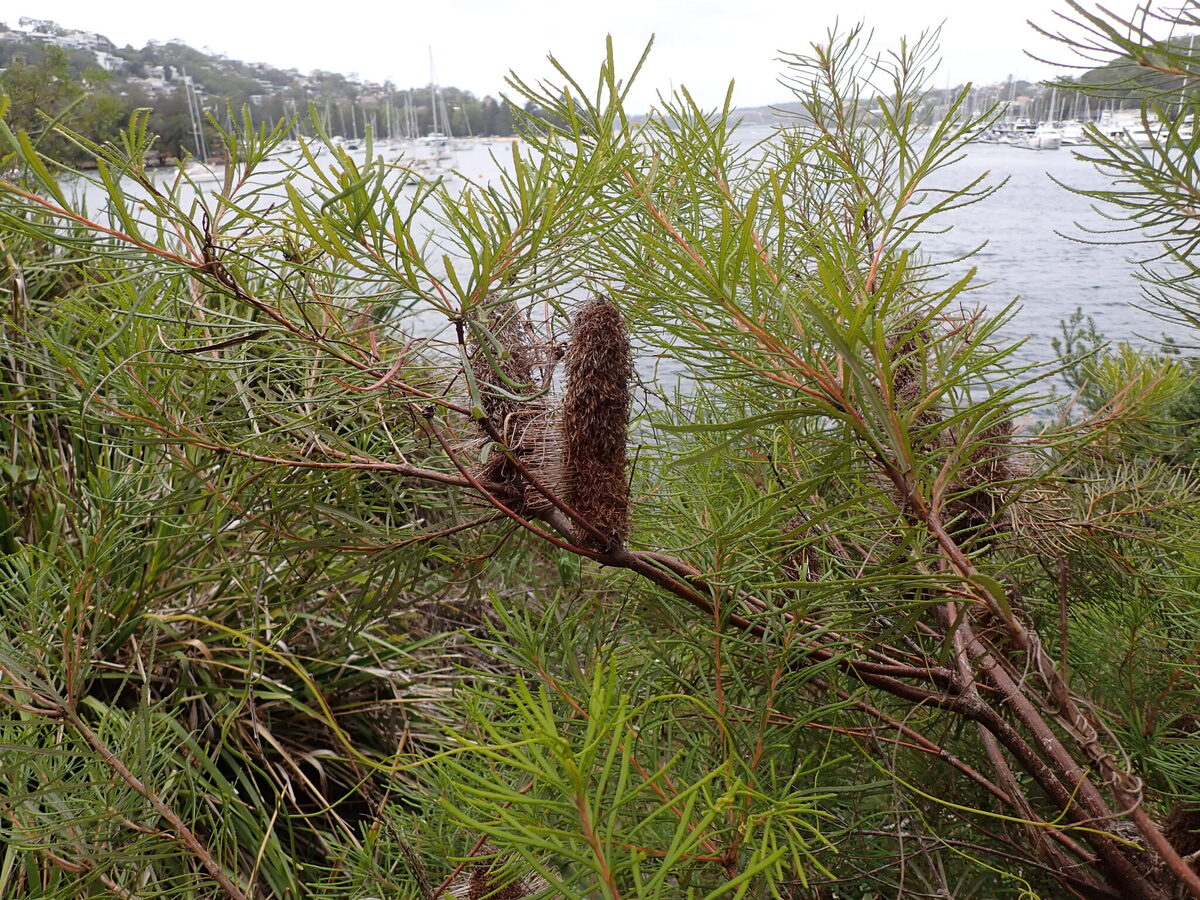
iNaturalist· cc-by-nc
(c) geoffbyrne, some rights reserved (CC BY-NC)
Summary
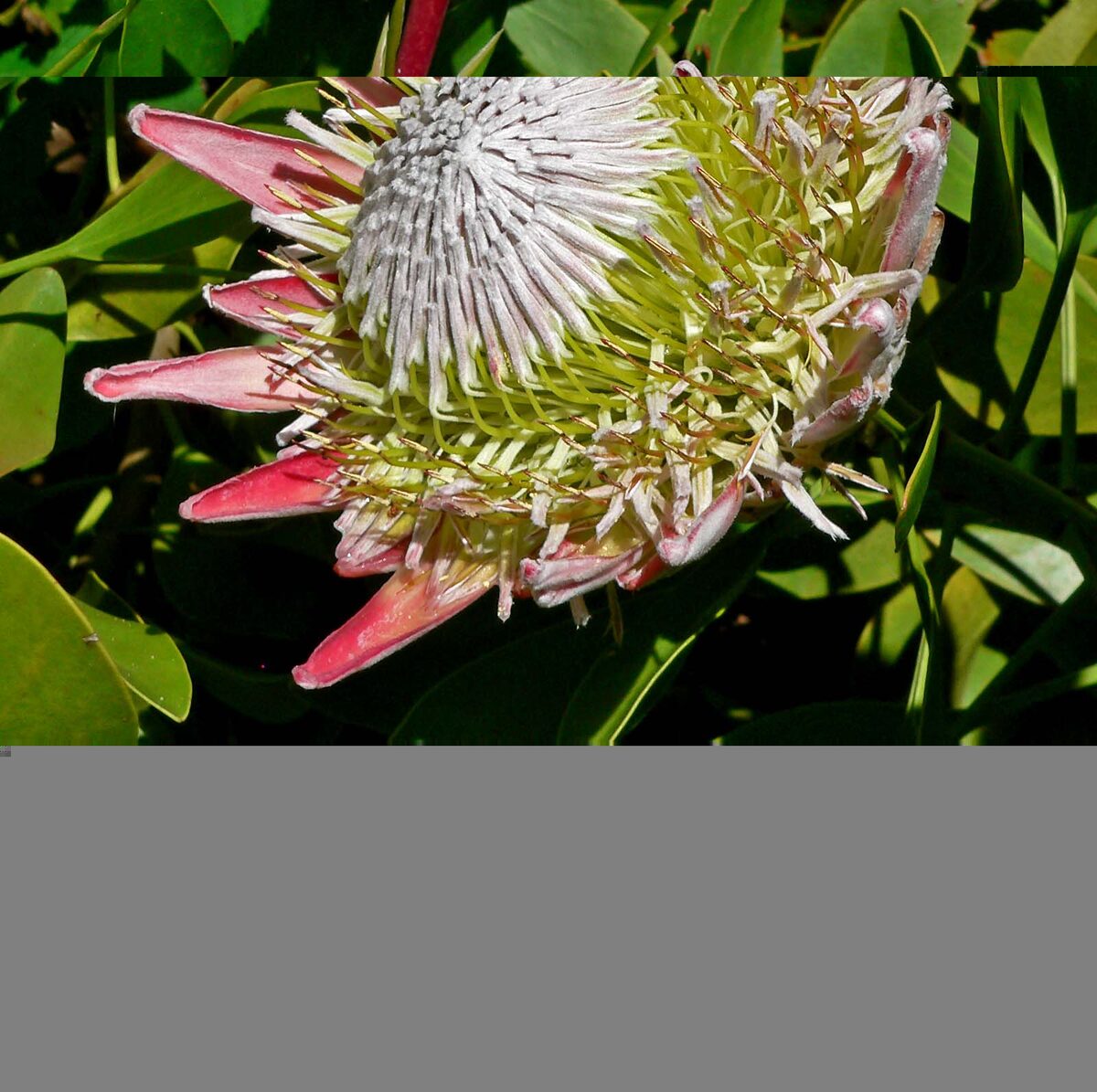
Source: WikipediaHakea rhombales, commonly known as walukara, is a shrub in the family Proteaceae. It has red, pink or purple flowers and is endemic to Western Australia and the Northern Territory.
Description
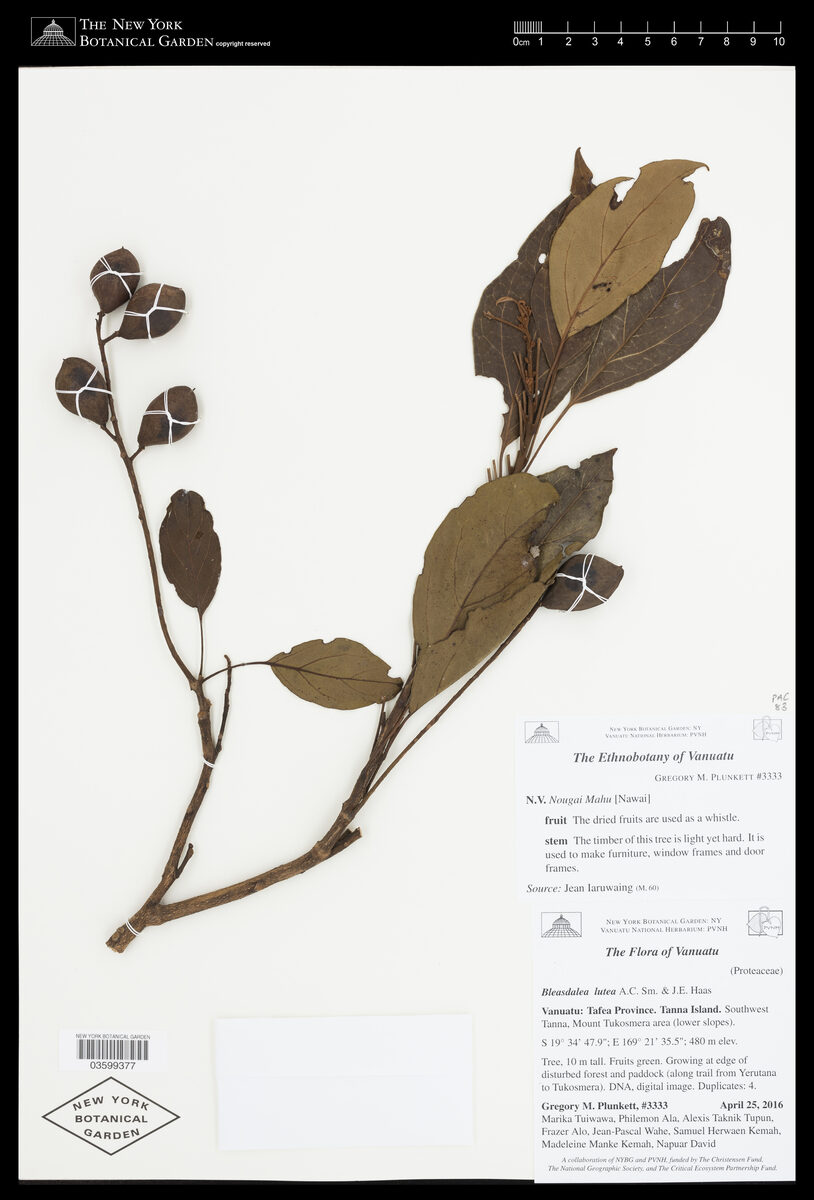
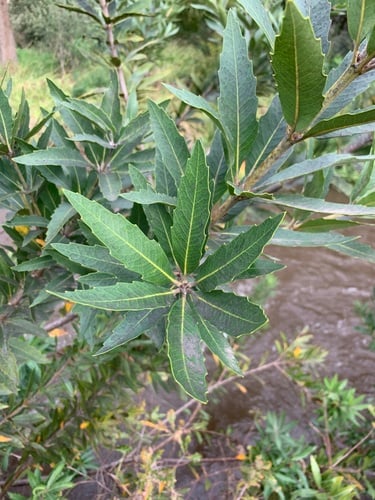
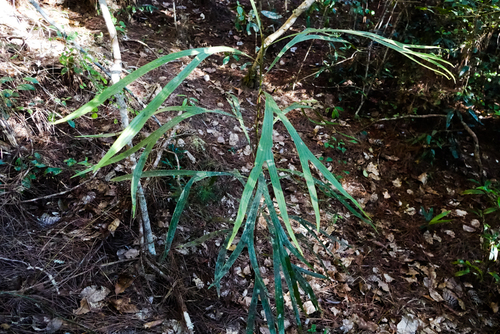
A small shrub. It has a woody tuber. The small branches have a few hairs. The leaves are 5-17 cm long by 0.1 cm wide. They are dark green and spreading. They have sharp points. The flowering stalk is 1.5 cm long and grows on old branches. The flowers are pink to red. They have an unpleasant scent. The fruit is 2-3.5 cm long by 1.5 cm wide. It is oval with irregular lumps on it.
Distribution
It grows in desert regions in central Australia. It grows on sand dunes and rocky hills. It suits semiarid climates. It needs an open sunny position and very good drainage. It can tolerate frosts. It can grow in arid places.
Where It Grows
Australia*,
Cultivation
Plants are grown from seed.
Notes
There are about 130 Hakea species.
References (3)
- Cherikoff V. & Isaacs, J., The Bush Food Handbook. How to gather, grow, process and cook Australian Wild Foods. Ti Tree Press, Australia p 190
- Elliot, W.R., & Jones, D.L., 1990, Encyclopedia of Australian Plants suitable for cultivation. Vol 5. Lothian. p 227
- Paczkowska, G . & Chapman, A.R., 2000, The Western Australian Flora. A Descriptive Calatogue. Western Australian Herbarium. p 495