Gronophyllum ramsayi
(Becc.) Moore
Northern Kentia palm, Alexander palm
No photos yet for Gronophyllum ramsayi
Sign in to contribute a photoDescription
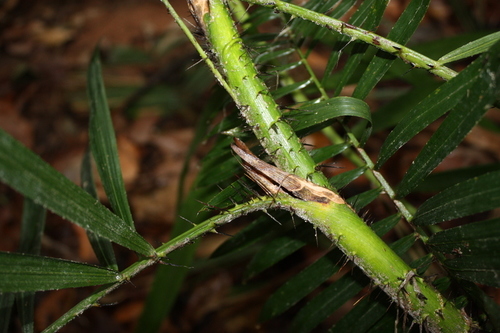
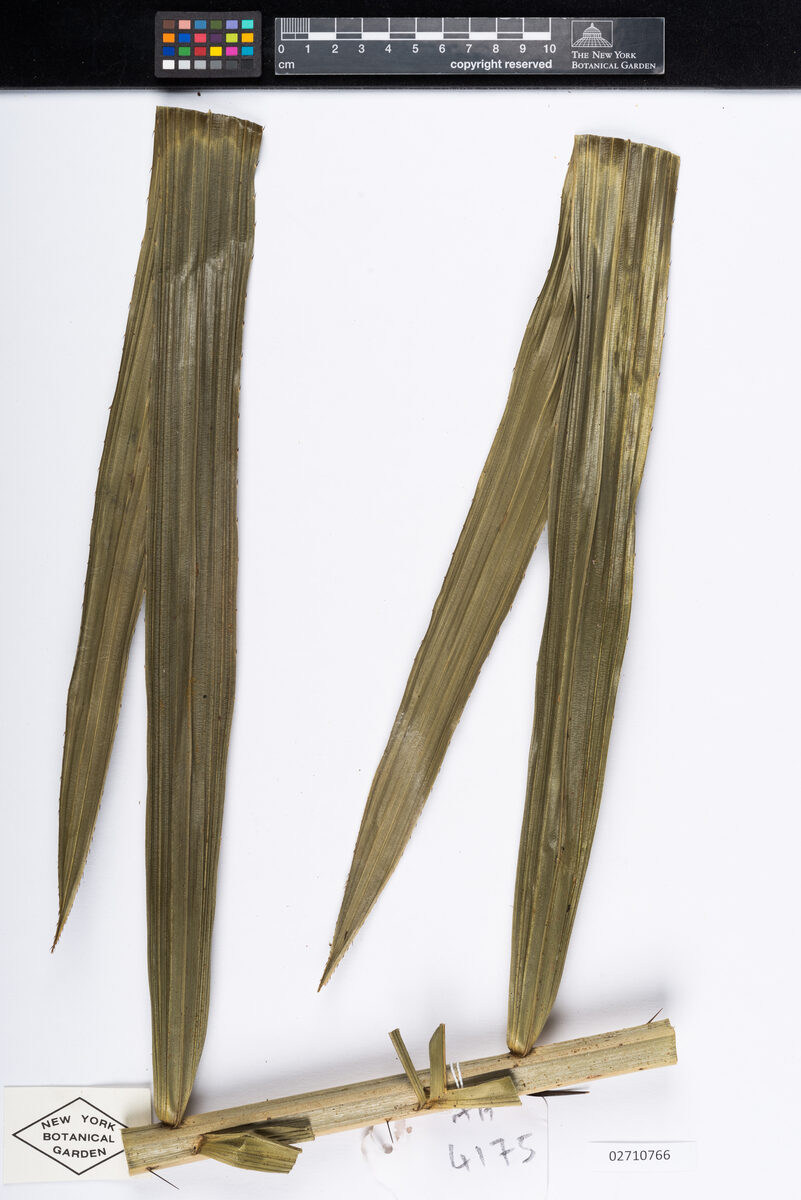
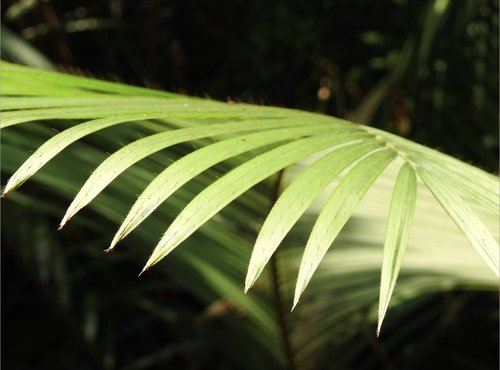
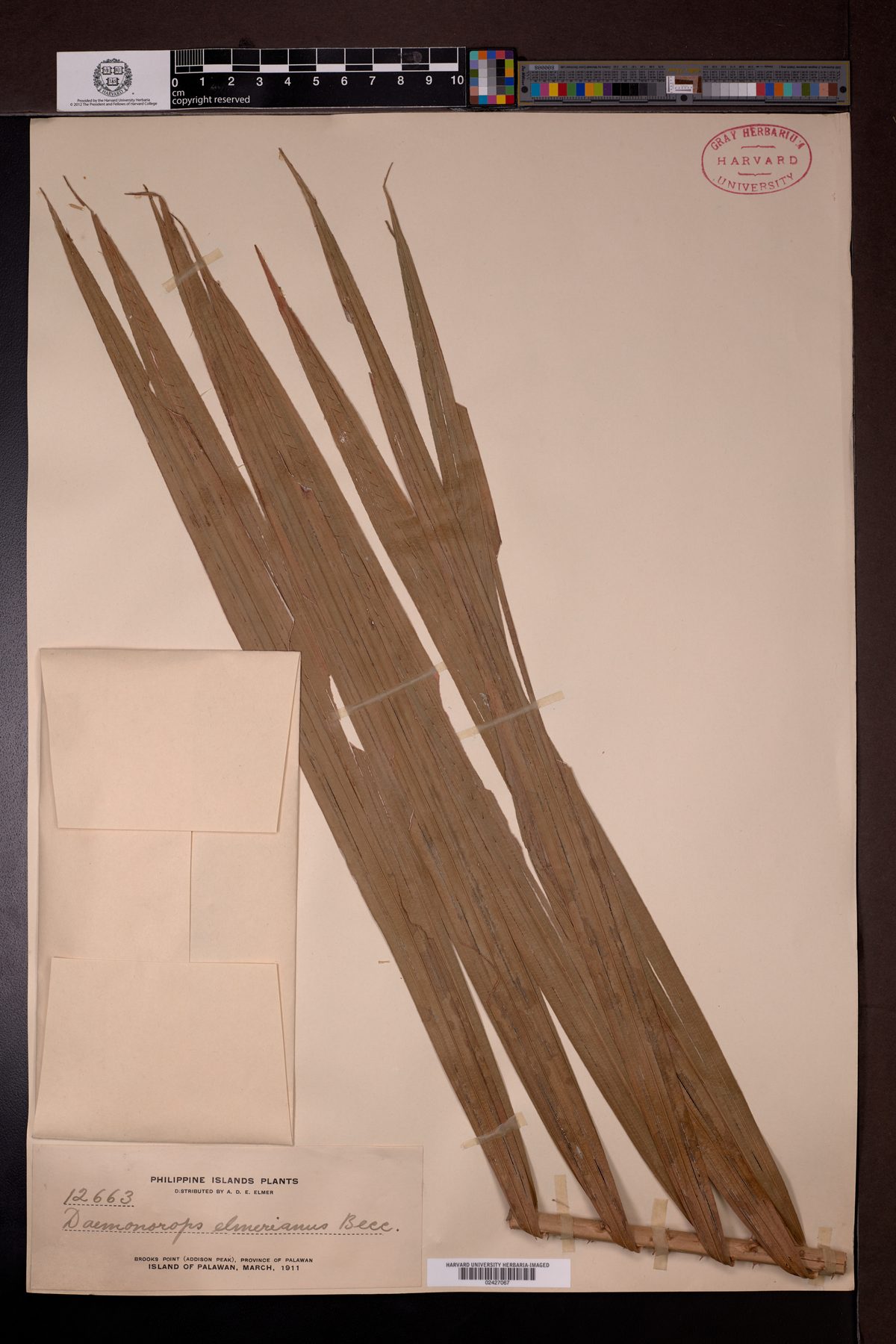
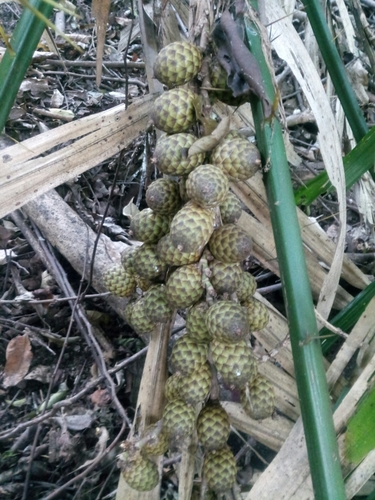
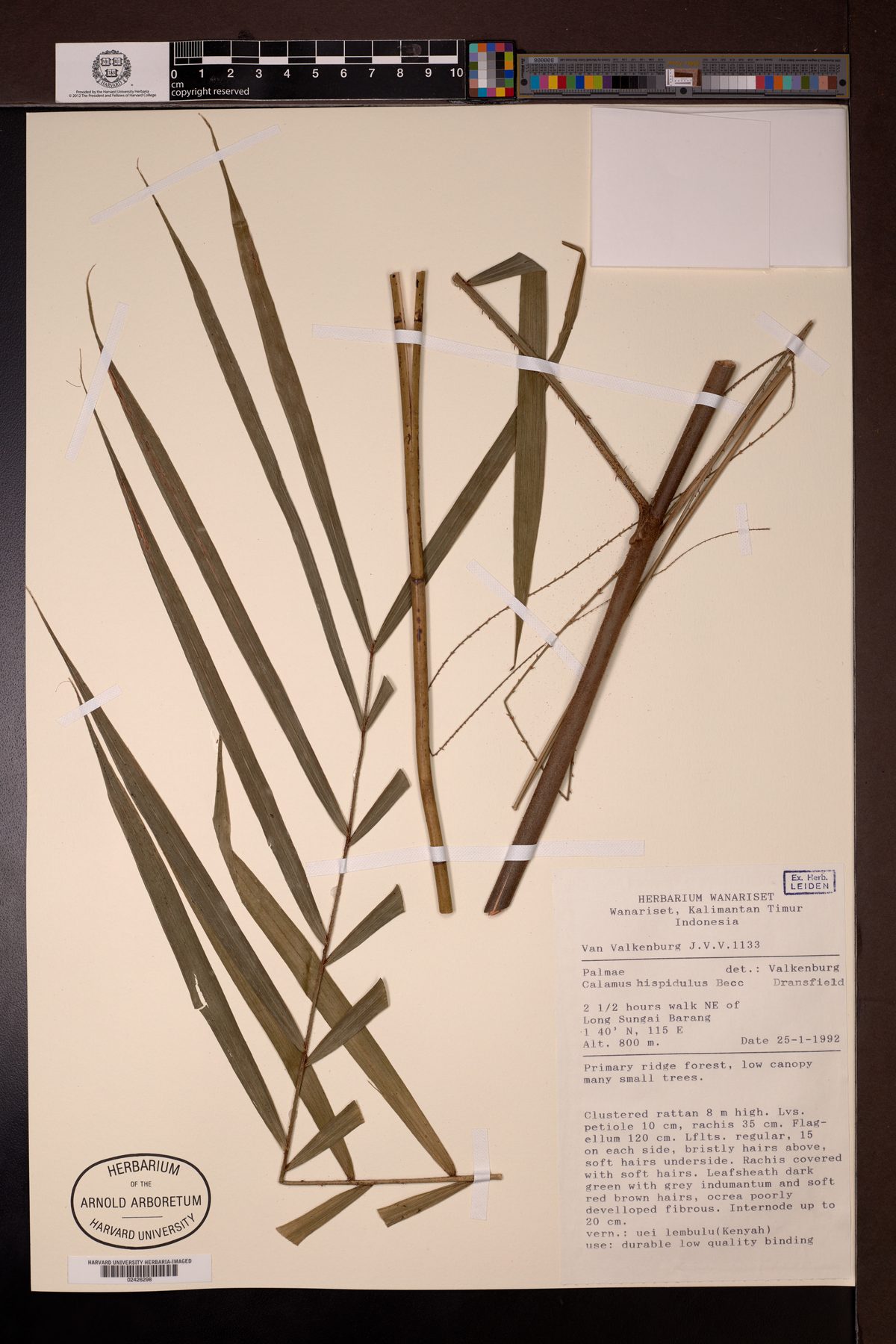
A large single-stemmed palm. It grows 15-30 m tall. The trunk is 20-35 cm across. The leaves are strongly curved fronds. These are divided into many leaflets which taper to the end. They are directed inwards in a V shape. They are 30-90 cm long by 2-5 cm wide. The stalk is about 40-80 cm long. The flowers are separately male and female. They are 0.6 cm across and hang on long hanging flower stalks. These are 30-50 cm long and hang below the crown. The fruit are oblong and shiny red. They are 1.2-1.5 cm long by 0.7 cm wide. They have thin oily flesh and a single hard-shelled seed.
Edible Uses
The central growing tip is eaten raw or cooked. The cabbage (palm heart), starch, and sap are also edible.
Traditional Uses
The central growing tip is eaten raw or cooked.
This uses section is brief — help expand it
Medicinal Uses
The growing tip is traditionally eaten and is popular and enjoyed.
Distribution
A tropical plant. It grows in open forest in deep sandy soil. It needs well-drained soil. Plants are sensitive to fertiliser. They are very cold sensitive. They suit the seasonally dry tropics.
Where It Grows
Australia*,
Cultivation
Plants can be grown from seed. The seed germinate over 6-12 months or longer. Seedlings transplant easily.
Production
It is a slow growing palm.
Other Information
The growing tip is popular and enjoyed.
Notes
There are 14 (33?) Gronophyllum species.
References (15)
- Blomberry, A. & Rodd, T., 1982, Palms. An informative practical guide. Angus & Robertson. p 102
- Brock, J., 1993, Native Plants of Northern Australia, Reed. p 211
- Cherikoff V. & Isaacs, J., The Bush Food Handbook. How to gather, grow, process and cook Australian Wild Foods. Ti Tree Press, Australia p 200
- Cronin, L., 1989, The Concise Australian Flora. Reed. p 207
- Cronin, L., 2000, Australian Palms, Ferns, Cycads and Pandans. Cronin Publications. p 20
Show all 15 references Hide references
- Elliot, W.R., & Jones, D.L., 1990, Encyclopedia of Australian Plants suitable for cultivation. Vol 5. Lothian. p 161
- Hardwick, G., 2001, Economically Useful Plants for Northern Australia: Master Species List. Crusader eBooks.
- Hearne, D.A., & Rance, S.J., 1975, Trees for Darwin and Northern Australia. AGPS, Canberra p 75
- Isaacs, J., 1987, Bush Food, Aboriginal Food and Herbal Medicine. Weldons. p 126
- Jones, D.L., 1994, Palms throughout the World. Smithtonian Institution, Washington. p 57, 218
- Jones, D.L., 2000, Palms of Australia 3rd edition. Reed/New Holland. p 85
- Lazarides, M. & Hince, B., 1993, Handbook of Economic Plants of Australia, CSIRO. p 125
- Riffle, R.L. & Craft, P., 2003, An Encyclopedia of Cultivated Palms. Timber Press. p 343
- Tiwi Plants and Animals. 2001, Aboriginal flora and fauna knowledge from Bathurst and Melville Islands, northern Australia. Northern Territory Botanical Bulletin; No. 24 p 57
- Townsend, K., 1994, Across the Top. Gardening with Australian Plants in the tropics. Society for Growing Australian Plants, Townsville Branch Inc. p 242