Pinanga heterophylla
Becc.
Gasigan
gbif· cc-by
Royal Botanic Gardens, Kew
gbif· cc-by
Royal Botanic Gardens, Kew
gbif· cc-by
Royal Botanic Gardens, Kew
Description
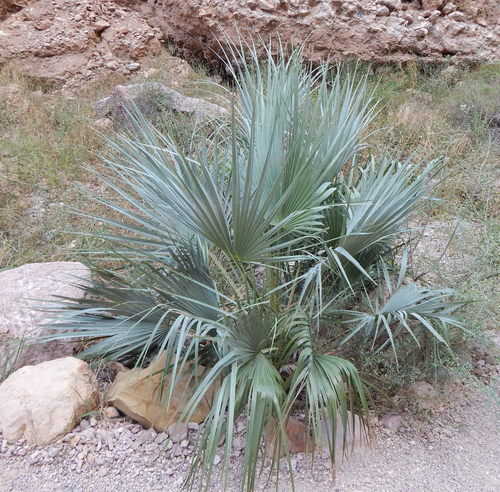
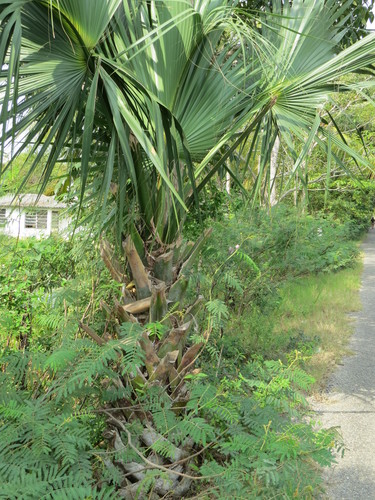
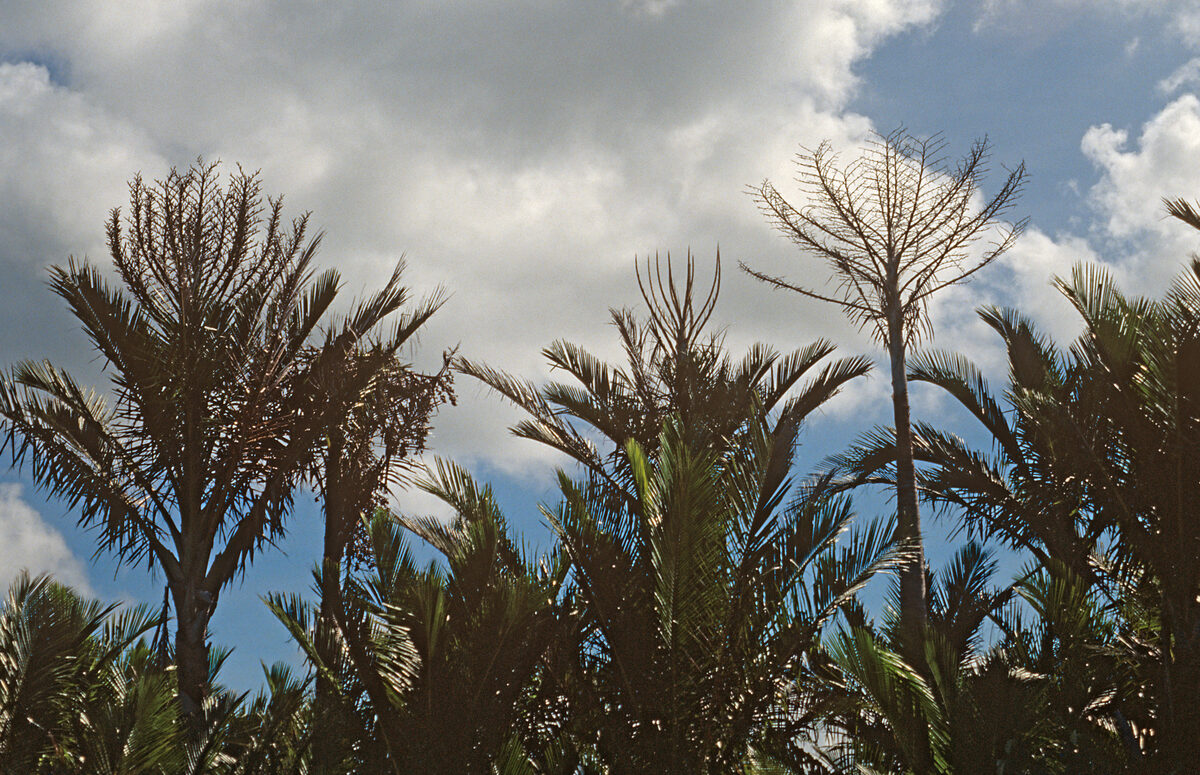
A slender and very small palm. The leaves are few and on each side of the stalk their are an unequal number of unevenly spread leaves. There are 7 or 8, and they have 1 to 4-ribbed segments which are smooth underneath. The flower arrangement is a spike of flowers closely arranged along a central axis with a few 3 angled branches. The fruit are small 11 to 12 mm by 5 to 5.5 mm. They are equally narrowed at both ends. The seeds are oval with a point.
Edible Uses
The bud is cooked and eaten as a vegetable, and the palm heart is harvested.
Traditional Uses
The bud is cooked and eaten as a vegetable.
This uses section is brief — help expand it
Distribution
A tropical plant. They are found in primary forests of Negros and Sorsogon in the Philippines at altitudes of 100 to 700 m. In Cairns Botanical Gardens.
Where It Grows
Asia, Pacific, Philippines, SE Asia,
References (3)
- Jones, D.L., 1994, Palms throughout the World. Smithtonian Institution, Washington. p 300
- Monsalud, M.R., Tongacan, A.L., Lopez, F.R., & Lagrimas, M.Q., 1966, Edible Wild Plants in Philippine Forests. Philippine Journal of Science. p 519
- World Checklist of Useful Plant Species 2020. Royal Botanic Gardens, Kew