Pinanga isabelensis
Becc.
Takon
wikimedia· cc-by-sa
Ahoerstemeier (via Wikimedia Commons)
gbif· cc-by
Royal Botanic Gardens, Kew
wikimedia· cc-by-sa
Rachad sanoussi (via Wikimedia Commons)
Description
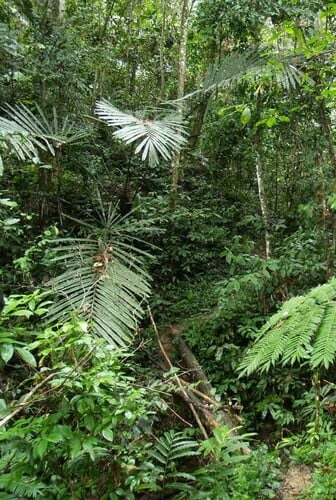
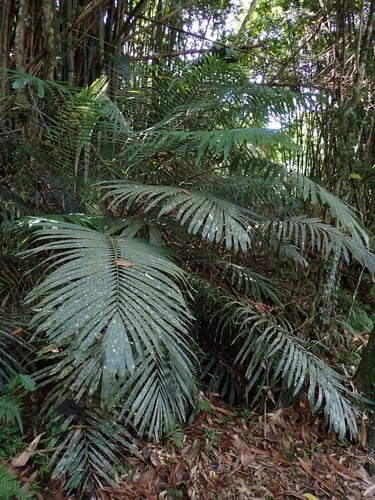
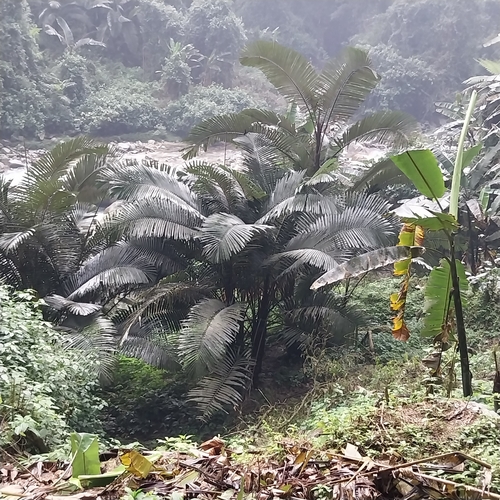
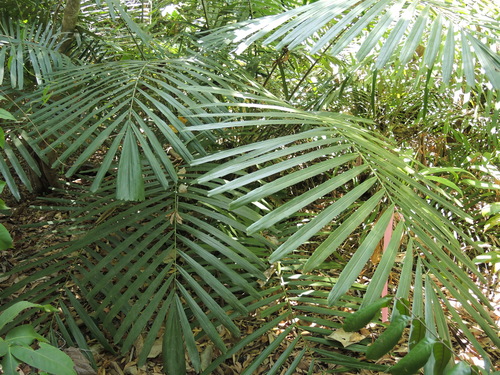
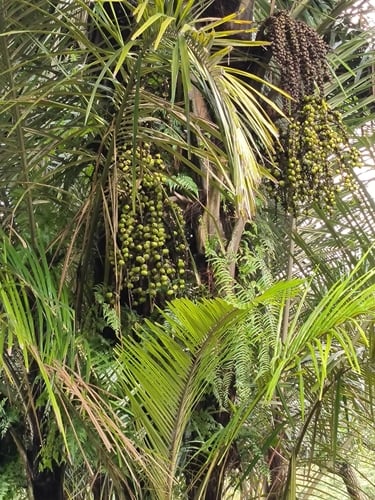
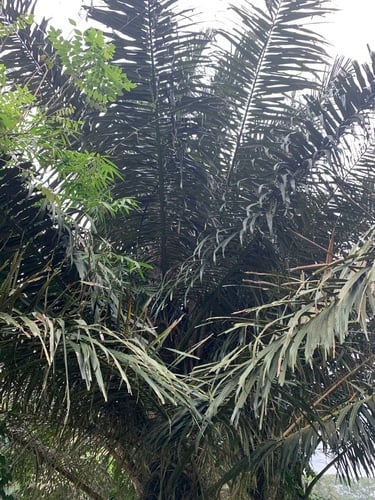
A slender and very small palm with stems 1 to 3 cm across. The stem has rings around it. There are soft hairs on the new fronds and leaf sheaths. The leaves are few and on each side of the stalk. There are 8 or 9 narrow leaflets with 2 to 4 ribs. The segments taper to the tip and are smooth underneath. The flower stalk has 5 or 6 branches. The fruit are exactly in two rows, and narrow but broadest below the middle. They are 16 to 19 mm by 9 mm. The seed is long and cone shaped in its upper part.
Edible Uses
The bud is cooked and eaten, and the palm heart is harvested as a vegetable.
Traditional Uses
The bud is cooked and eaten.
This uses section is brief — help expand it
Distribution
A tropical plant. They occur in forests of Isabela in the Philippines near the sea at low altitudes.
Where It Grows
Asia, Pacific, Philippines, SE Asia,
References (3)
- Jones, D.L., 1994, Palms throughout the World. Smithtonian Institution, Washington. p 301
- Monsalud, M.R., Tongacan, A.L., Lopez, F.R., & Lagrimas, M.Q., 1966, Edible Wild Plants in Philippine Forests. Philippine Journal of Science. p 527
- World Checklist of Useful Plant Species 2020. Royal Botanic Gardens, Kew