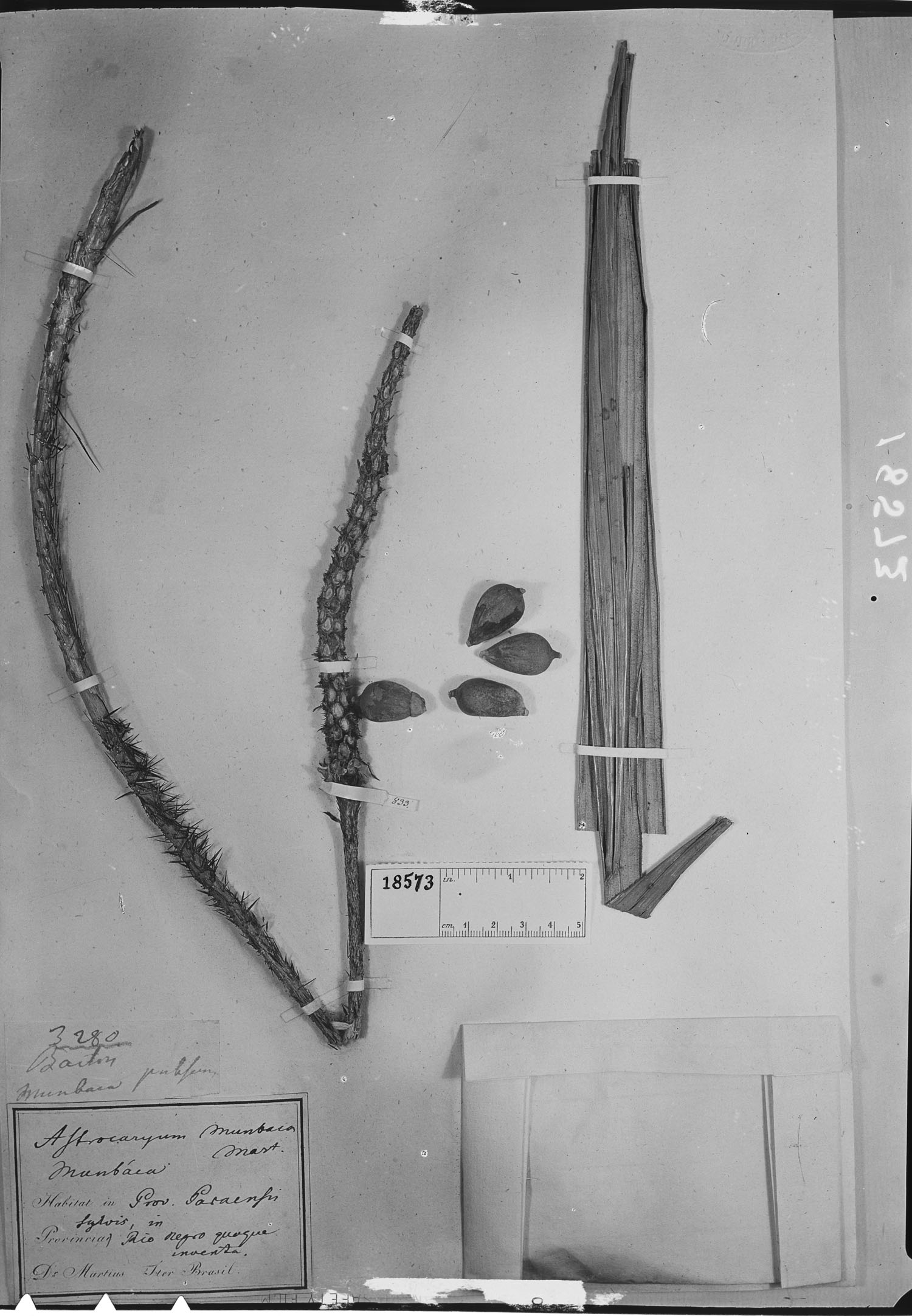
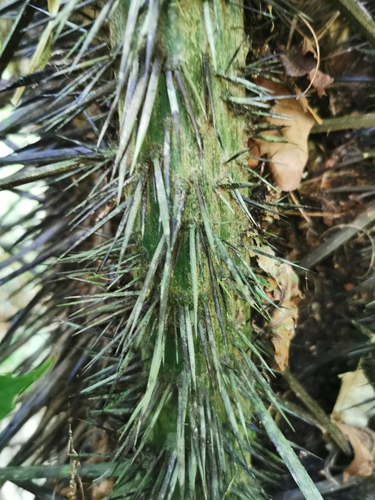
Pinanga gracilis
Blume
iNaturalist· cc-by
(c) chintan sheth, some rights reserved (CC BY), uploaded by chintan sheth
wikimedia· cc-by-sa
Wikimedia Commons - Photo by David J. Stang
Description
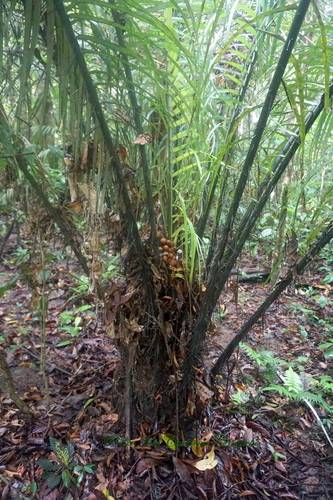
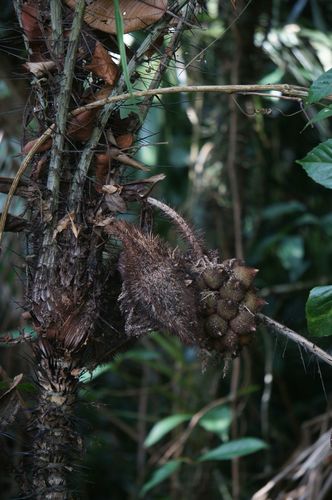
A slender palm. It grows 4 m tall. The stem is 1.5 cm across. The leaves have leaflets almost divided to the midrib. The male and female flowers are separate with a female flower between two male flowers. They are in clusters. The fruit is oval with a fibrous outer covering. The fruit are yellow when ripe. They are oval and 1.8 cm long by 1 cm wide.
Edible Uses
The ripe seeds or nuts are eaten like betel nut.
Traditional Uses
The ripe seeds or nuts are eaten like betel nut.
This uses section is brief — help expand it
Distribution
It is a subtropical plant. It grows in lowland and mountain rain forests below 1,200 m above sea level.
Where It Grows
Asia, Bangladesh, Bhutan, China, Himalayas, India, Myanmar, Nepal, Northeastern India, SE Asia, Tibet,
Cultivation
Pinanga gracilis is a plant of the humid tropics and subtropics, where it is found at low to moderate elevations. It is one of the more cold-tolerant species in the genus (though not frost hardy), and is known to tolerate temperatures down to around 3 - 4°c. Species in this genus generally require a warm, sheltered position with at least moderate shade, especially when young. They grow best in a circumneutral, moist but well-drained soil and strongly dislike dry conditions.
Propagation
Seed - Division of new growths at the base
Synonyms
Also Known As
Geruka tamul, Morizya, Mumai tamul, Ram gua, Tachar, Taecher, Tar-tiang, Taw-kun
References (6)
- Angami, A., et al, 2006, Status and potential of wild edible plants of Arunachal Pradesh. Indian Journal of Traditional Knowledge 5(4) October 2006, pp 541-550
- Kar, A., et al, 2013, Wild Edible Plant Resources used by the Mizos of Mizoram, India. Kathmandu University Journal of Science, Engineering and Technology. Vol. 9, No. 1, July, 2013, 106-126
- Murtem, G. & Chaudhrey, P., 2016, An ethnobotanical note on wild edible plants of Upper Eastern Himalaya, India. Brazilian Journal of Biological Sciences, 2016, v. 3, no. 5, p. 63-81
- Patiri, B. & Borah, A., 2007, Wild Edible Plants of Assam. Geethaki Publishers. p 152
- Salvi, J. et al, 2016, A review: Underutilized wild edible plants as a potential source of alternative nutrition. International Journal of Botany Studies. Volume 1; Issue 4; May 2016; Page No. 32-36
Show all 6 references Hide references
- Singh, V. B., et al, (Ed.) Horticulture for Sustainable Income and Environmental Protection. Vol. 1 p 217