Grewia pachycalyx
K. Schum.
Large-flowered white cross-berry
iNaturalist· cc-by-nc
(c) juddkirkel, some rights reserved (CC BY-NC)
iNaturalist· cc-by-nc
(c) reginawamuwi, some rights reserved (CC BY-NC)
iNaturalist· cc-by-nc
(c) karlvl, some rights reserved (CC BY-NC)
Description
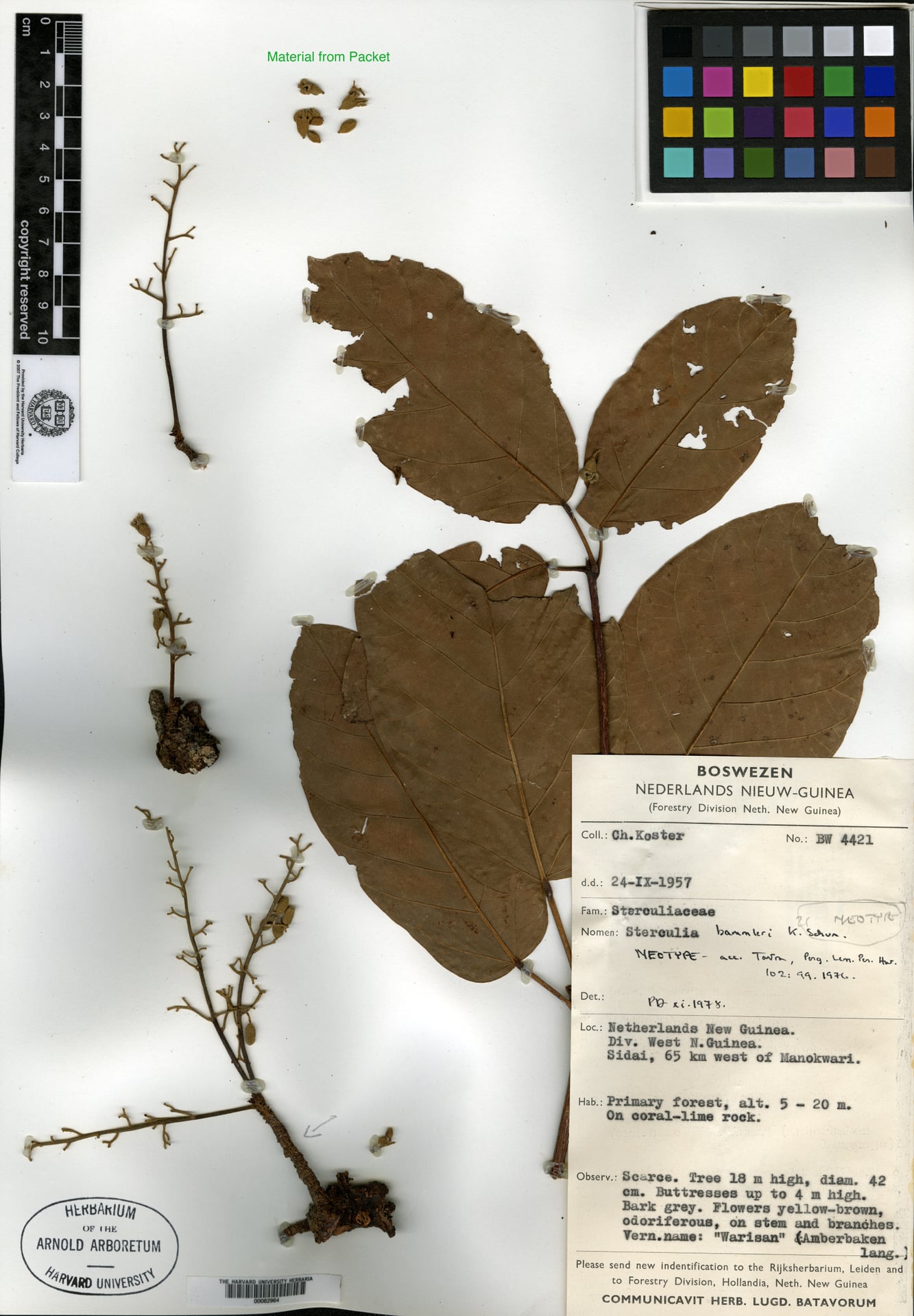
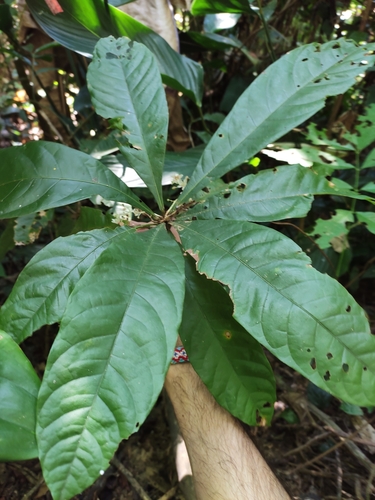
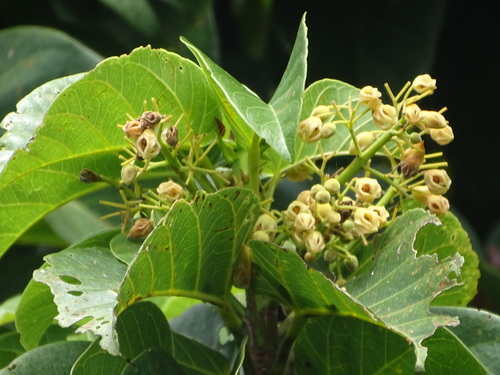
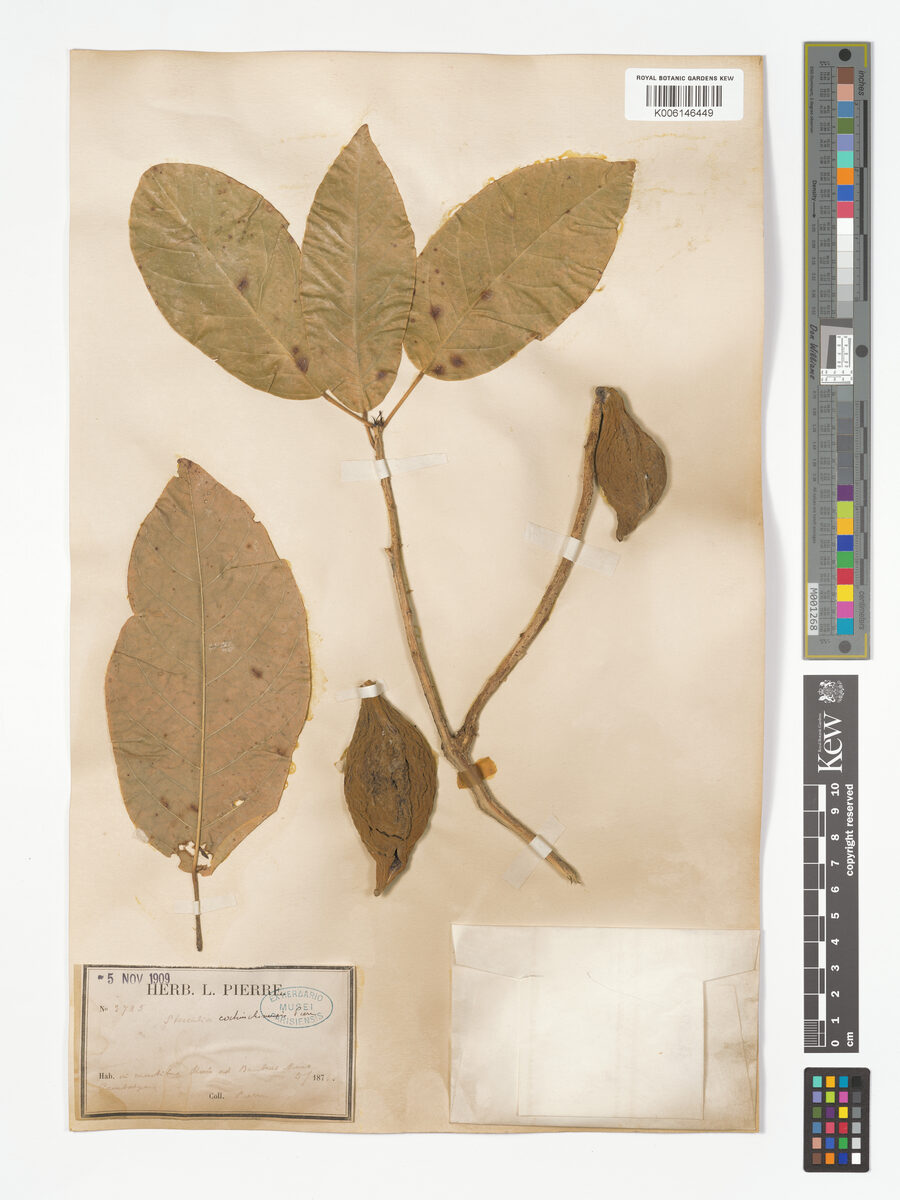
A shrub which tends to scramble. It has many stems. It can be a small tree 6 m high. The bark is grey-brow. The branches often droop. The leaves are oblong to sword shaped. They are 6-19 cm long by 2.5-9 cm wide. They are bright green on both surfaces. The edges of the leaf are toothed or scalloped. The leaf stalk is 8 mm long and hairy. They flowers are white. They are 3-4 cm across. They occur in groups of 3-9 opposite the leaves. The sepals curve backwards except for the tip. The petals are frilled and crinkled. The fruit have 4 lobes. Each lobe is 10 mm across. They are shiny orange-red when mature.
Edible Uses
The fruit are eaten raw.
Traditional Uses
The fruit are eaten raw.
This uses section is brief — help expand it
Distribution
A tropical plant. It grows at low altitude often along river valleys. It grows in hot arid areas. It grows in well drained sandy soils. It grows between 800-1,450 m above sea level. It can grow in arid places.
Where It Grows
Africa, Angola, Botswana, Central Africa, East Africa, Malawi, Mozambique, Namibia, South Africa, Southern Africa, Tanzania, Zambia, Zimbabwe,
Notes
There are about 200 Grewia species. They are mostly tropical. The fruit of most may be edible. These were in the Sparrmanniaceae and the Tiliaceae.
Also Known As
Chiwanichinuna, Maporea, Massamba, Muntotorito, Muthesya, Ndya-batemi, Sangaoma, Soco
References (14)
- Bot. Jahrb. Syst. 15:123. 1892
- Bruschi, P., et al, 2014, Traditional use of plants in a rural community of Mozambique and possible links with Miombo degradation and harvesting sustainability. Journal of Ethnobiology and Ethnomedicine. 2014, 10:59
- Exell, A.W. et al, (Ed), 1963, Flora Zambesiaca Vol 2 Part 1 Crown Agents, London. p 61
- Fowler, D. G., 2007, Zambian Plants: Their Vernacular Names and Uses. Kew. p 45
- Grivetti, L. E., 1980, Agricultural development: present and potential role of edible wild plants. Part 2: Sub-Saharan Africa, Report to the Department of State Agency for International Development. p 72
Show all 14 references Hide references
- Ichikawa, M., 1980, The Utilization of Wild Food Plants by the Suiei Dorobo in Northern Kenya. J. Anthrop. Soc. Nippon. 88(1): 25-48
- Jardin, C., 1970, List of Foods Used In Africa, FAO Nutrition Information Document Series No 2.p 140
- Palgrave, K.C., 1996, Trees of Southern Africa. Struik Publishers. p 577
- Peters, C. R., O'Brien, E. M., and Drummond, R.B., 1992, Edible Wild plants of Sub-saharan Africa. Kew. p 192
- Pickering, H., & Roe, E., 2009, Wild Flowers of the Victoria Falls Area. Helen Pickering, London. p 110
- Roodt, V., 1998, Trees & Shrubs of the Okavango Delta. Medicinal Uses and Nutritional value. The Shell Field Guide Series: Part 1. Shell Botswana. p 197
- Royal Botanic Gardens, Kew (1999). Survey of Economic Plants for Arid and Semi-Arid Lands (SEPASAL) database. Published on the Internet; http://www.rbgkew.org.uk/ceb/sepasal/internet [Accessed 11th June 2011]
- Scudder, 1971,
- World Checklist of Useful Plant Species 2020. Royal Botanic Gardens, Kew