Guazuma ulmifolia
Lamk.
West Indian elm
iNaturalist· cc-by-nc
(c) Christian Grenier, some rights reserved (CC BY-NC), uploaded by Christian Grenier
iNaturalist· cc-by
(c) Francisco Farriols Sarabia, some rights reserved (CC BY), uploaded by Francisco Farriols Sarabia
iNaturalist· cc-by-nc
(c) Eric Hough, some rights reserved (CC BY-NC), uploaded by Eric Hough
Summary
Source: WikipediaGuazuma ulmifolia, commonly known as West Indian elm or bay cedar, is a medium-sized tree normally found in pastures and disturbed forests. This flowering plant from the family Malvaceae grows up to 30m in height and 30–40 cm in diameter. It is widely found in areas such as the Caribbean, South America, Central America and Mexico serving several uses that vary from its value in carpentry to its utility in medicine.
Description
A tall tree. It loses its leaves during the year. The bark is grey-brown and rough and cracked. The tree grows 12-20 m high. The crown is irregular and the branches droop. The leaves are 6-20 cm long and are unequal at the base. Leaves are hairy and have irregular teeth. The flowers occur in clusters. They are about 5 mm wide and yellow. They have 5 petals and a woolly appearance. There are thread like appendages at the top of the flowers. The fruit is a capsule which is round and green but turns black when ripe. The fruit is edible. There are several oval seeds in a sweet, edible, mucilage layer.
Edible Uses
The seeds are edible fresh or cooked and are about 3 mm long. The fruits can be eaten raw or cooked — when eaten green they can be crushed in water to make a beverage or used to flavour other foods. The fruit has a honey-scented aroma.
Traditional Uses
The ripe fruit capsule is eaten. The fruit is rich in mucilage. The green fruits are eaten raw, cooked, crushed in water to make a drink or used to flavour other foods. The sap is used to clarify syrup in the making of sugar.
Medicinal Uses
The plant is antibacterial, anti-inflammatory, antifungal, antitussive, antiviral, astringent, a blood purifier, cardiac, diaphoretic, digestive, diuretic, febrifuge, haemostatic, hypotensive, oxytocic, and vulnerary. The bark is rich in tannins and proanthocyanidins; one in particular, procyanidin B-2, has been shown in studies to promote hair growth and alleviate baldness, and has demonstrated antitumor and anticancer effects (including against melanoma), blood pressure-lowering activity, and kidney protection. The bark also contains kaurenoic acid, documented in numerous studies for its antibacterial and antifungal properties. The leaves contain caffeine, though none has been found in the bark. Studies have shown the plant lowers heart rate and blood pressure, relaxes smooth muscles, and stimulates the uterus. Leaf and bark extracts have shown strong antibacterial activity against Bacillus, Staphylococcus, Streptococcus, E. coli, and Neisseria gonorrhea, as well as antioxidant effects confirmed in a 2003 study and antiviral activity demonstrated in a 1995 in vitro study. The bark is the part most commonly used: as a diaphoretic, tonic, and blood cleanser, and for digestive problems (gastrointestinal pain, liver complaints, diarrhoea, and dysentery), urinary and reproductive issues (kidney problems, uterine pain, prostate problems, venereal disease, and as a childbirth aid), respiratory complaints (asthma, bronchitis, coughs, and pneumonia), fevers, and haemorrhages. Applied externally it is used to bathe wounds, rashes, and sores; to treat skin conditions including dermatosis, elephantiasis, and leprosy; and applied to the scalp to arrest hair loss and combat scalp parasites. The fruit in Mauritius, roasted seeds in Java, and bark in India are used as officinal remedies against elephantiasis. An infusion of seeds crushed and soaked in water treats diarrhoea, dysentery, colds, coughs, and venereal diseases, and is also used as a diuretic and astringent.
Distribution
It is a tropical plant. It is native to tropical America. It will grow on poor soils. It grows from sea level to 1,200 m in the tropics. It grows in areas with an annual rainfall below 1,200 mm. It can grow in arid places. Madras. At ECHO.
Where It Grows
Africa, Amazon, Antigua and Barbuda, Antilles, Argentina, Asia, Australia, Bahamas, Barbados, Belize, Bolivia, Brazil*, Caribbean, Central America, China, Colombia, Costa Rica, Cuba, Dominica, Dominican Republic, East Africa, Ecuador, El Salvador, Gambia, Ghana, Grenada, Guadeloupe, French Guiana, Guianas, Guatemala, Guyana, Haiti, Hawaii, Honduras, India, Indonesia, Jamaica, Kenya, Leeward Is., Malaysia, Martinique, Mauritius, Mexico*, Montserrat, Mozambique, Myanmar, Nicaragua, North America, Northeastern India, Pacific, Pakistan, Panama, Paraguay, Peru*, Puerto Rico, Reunion, SE Asia, Seychelles, Sierra Leone, South America, Sri Lanka, St. Kitts and Nevis, Suriname, Trinidad-Tobago, USA, Venezuela, Vietnam, West Africa, West Indies,
Cultivation
Plants are grown from seed. It is considered that seeds which have passed through an animals digestive tract grow more easily. Seeds are soaked in water at 90°C for 4 minutes then in cool water for 24 hours. Seedlings can be transplanted after 7 months. It can be grown from cuttings.
Propagation
Seed requires scarification before sowing — pour boiling water over the seeds, soak for 30 seconds, then drain. With fresh seed, germination occurs in 7–14 days at a rate of 60–80%. Seedlings are ready for outplanting at 30–40 cm tall, approximately 15 weeks after sowing. The plant can also be established by direct seeding. Cuttings are also used.
Other Uses
A natural pioneer species that colonises recently disturbed areas, this fast-growing tree tolerates full sunlight and provides food for native fauna, making it useful for restoring native woodland — though it is best kept within its native range. The tough, fibrous bark and young stems are used to make rope and twine. The mucilaginous sap is sometimes used in sugar production to clarify syrup. The heartwood is pinkish to brownish and not clearly separated from the light brown sapwood; the texture is coarse with a straight to interlocked grain, medium lustre, and no distinctive taste or odour. The wood is light in weight, not durable, and very susceptible to dry-wood termites, but easy to work and well-finishing. It is used for posts, interior carpentry, light construction, furniture, boxes, crates, shoe horns, and tool handles. The tree is also used for fuel and charcoal production, with the charcoal being of high quality.
Production
It is fast growing. The fruit remain on the tree for long periods.
Notes
There are 4 Guazuma species in tropical America. Parts of the tree are used in medicine. Also put in the family Sterculiaceae.
Synonyms
Also Known As
Acashti, Algodon de ceibo, Ajilla, A'jijati, Bay cedar, Bucha, Chico-magro, Cuahulote, Debodaru, Embiru, Guacimo, Guasima, Guasimo, Guazumo, Mutamba, Mutambo, Nepaltunth, Nepal-tuth, Nipaltunth, Pohon jati belanda, Pohon jatilondo, Radraksha, Rudrakscha chettu, Rudrasum, Tenbachai, Thene-chettu, Thenmaram, Tubakki, Udrikpatta, Uttharasham
References (53)
- Altschul, S.V.R., 1973, Drugs and Foods from Little-known Plants. Notes in Harvard University Herbaria. Harvard Univ. Press. Massachusetts. no. 2784
- Ambasta, S.P. (Ed.), 2000, The Useful Plants of India. CSIR India. p 250
- Bandyopadhyay, S. et al, 2009, Wild edible plants of Koch Bihar district, West Bengal. Natural Products Radiance 8(1) 64-72
- Bandyopadhyay, S., et al, 2012, A Census of Wild Edible Plants from Howrah District, West Bengal, India. Proceedings of UGC sponsored National Seminar 2012
- Bortolotto, I. M., et al, 2015, Knowledge and use of wild edible plants in rural communities along Paraguay River, Pantanal, Brazil. Journal or Ethnobiology and Ethnomedicine. 11:46
Show all 53 references Hide references
- Bortolotto, I. M., et al, 2018, Lista preliminar das plantas alimenticias nativas de Mato Grosso do Sul, Brasil. Iheringia, Serie Botanica, Porto Alegre, 73 (supl.):101-116
- Brack, P., et al, 2020, Frutas nativas do Rio Grande do Sul, Brasil: riqueza e potencial alimentício. Native fruits of Rio Grande do Sul, Brazil: richness and potential as food. Rodriguésia 71: e03102018.
- Burkill, I.H., 1966, A Dictionary of the Economic Products of the Malay Peninsula. Ministry of Agriculture and Cooperatives, Kuala Lumpur, Malaysia. Vol 1 (A-H) p 1133
- Casas, A., et al, 1996, Plant Management Among the Nahua and the Mixtec in the Balsas River Basin, Mexico: An Ethnobotanical Approach to the Study of Plant Domestication. Human Ecology, Vol. 24, No. 4 pp. 455-478
- Chizmar Fernandez, C., et al, 2009, Plantas comestibles de Centroamerica. Instituto de Biodiversidad, Costa Rica. p 307
- Condit, R., et al, 2011, Trees of Panama and Costa Rica. Princeton Field Guides. p 282
- Cruz, I. M., et al, 2015, Edible fruits and seeds in the State of Mexico. Revista Mexicana de Ciencias Agricolas. Vol. 6. Num. 2 pp 331-346
- Facciola, S., 1998, Cornucopia 2: a Source Book of Edible Plants. Kampong Publications, p 239
- Flora of Pakistan. www.eFloras.org
- Grandtner, M. M., 2008, World Dictionary of Trees. Wood and Forest Science Department. Laval University, Quebec, Qc Canada. (Internet database http://www.wdt.qc.ca)
- Grandtner, M. M. & Chevrette, J., 2013, Dictionary of Trees, Volume 2: South America: Nomenclature, Taxonomy and Ecology. Academic Press p 281
- Hedrick, U.P., 1919, (Ed.), Sturtevant's edible plants of the world. p 334 (As Guazuma tomentosa)
- Kew Plants of the World On line
- Kinupp, V. F., 2007, Plantas alimenticias nao-convencionais da regiao metropolitana de Porto Alegre, RS, Brazil p 80
- Kiple, K.F. & Ornelas, K.C., (eds), 2000, The Cambridge World History of Food. CUP p 1820
- Krishen P., 2006, Trees of Delhi, A Field Guide. DK Books. p 100
- J. B. A. P. M. de Lamarck & L. A. J. Desrousseaux, Encycl. 3:52. 1789
- Lira, R., et al, 2009, Traditional Knowledge and Useful Plant Richness in the Tehuacan-Cuicatlan Valley, Mexico. Economic Botany XX(X): 1-17
- Lopez-Diago, D. & Garcia, N., 2021, Wild edible fruits of Colombia. Biota ColomBiana 22 (2) p 41
- Lorenzi, H., 2002, Brazilian Trees. A Guide to the Identification and Cultivation of Brazilian Native Trees. Vol. 01 Nova Odessa, SP, Instituto Plantarum p 343
- Paz, F. S., et al, 2021, Edible Fruit Plant Species in the Amazon Forest Rely Mostly on Bees and Beetles as Pollinators. Journal of Economic Entomology, XX(XX), 2021, 1–13
- Peres, M. K., 2011, Diasporos do Cerrado Atrativos para Fauna: Chave Interativa Caracterizacao Visual e Relacoes Ecologicas. Masters thesis. Universidade de Brasilia.
- Piedra-Malagón, E. M., et al, 2022, Edible native plants of the Gulf of Mexico Province. Biodiversity Data Journal 10: e80565 p 24
- Plants of Haiti Smithsonian Institute http://botany.si.edu/antilles/West Indies
- PROSEA
- Reddy, K. N. et al, 2007, Traditional knowledge on wild food plants in Andhra Pradesh. Indian Journal of Traditional Knowledge. Vol. 6(1): 223-229
- Roa, J. A. G. & Boada, D. S. G., 2018, Fundación para el Fortalecimiento de la Fruticultura y Plantas Alimenticias no Convencionales en Colombia.
- Royal Botanic Gardens, Kew (1999). Survey of Economic Plants for Arid and Semi-Arid Lands (SEPASAL) database. Published on the Internet; http://www.rbgkew.org.uk/ceb/sepasal/internet [Accessed 11th June 2011]
- Segura, S., et al, 2018, The edible fruit species in Mexico. Genet Resour Crop Evol (2018) 65:1767–1793
- SHORTT, (As Guazuma tomentosa)
- Singh, V. and Singh, P., 1981, Edible Wild Plants of Eastern Rajasthan. J. Econ. Tax. Bot. Vol 2 pp 197-207
- Smith, N., et al, 2007, Amazon River Fruits. Flavors for Conservation. Missouri Botanical Gardens Press. p 148
- Standley, P. C. & Record, S. J., 1936, The Forests and Flora of British Honduras. (Belize). p 254
- Staples, G.W. and Herbst, D.R., 2005, A tropical Garden Flora. Bishop Museum Press, Honolulu, Hawaii. p 544
- Sukarya, D. G., (Ed.) 2013, 3,500 Plant Species of the Botanic Gardens of Indonesia. LIPI p 312
- Swaminathan, M.S., and Kochnar, S.L., 2007, An Atlas of Major Flowering Trees in India. Macmillan. p 54
- Tamil herbs, 2007, Edible Plants of the Tropical Dry Evergreen Forest.
- Torre, de la, L., et al, 2008, Enciclopedia de las Plantas Útiles del Ecuador. Herbario QCA. Pontificia Universidad Católica del Ecuador. p 598
- Turreira-Garcia, N., et al, 2015, Wild edible plant knowledge, distribution and transmission: a case study of the Achi Mayans of Guatemala. Journal of Ethnobiology and Ethnomedicine. 11:52
- Uphof,
- Van den Eynden, V., et al, 2003, Wild Foods from South Ecuador. Economic Botany 57(4): 576-603
- van Roosmalen, M.G.M., 1985, Fruits of the Guianan Flora. Utrecht Univ. & Wageningen Univ. p 419
- WATT, (As Guazuma tomentosa)
- World Checklist of Useful Plant Species 2020. Royal Botanic Gardens, Kew
- www.colecionandofrutas.org
- www.worldagroforestrycentre.org/sea/products/afdbases/af/asp/SpeciesInfo.asp?SpID=944
- Yetman, D., 2002, The Guarijios of the Sierra Madre: Hidden People of Northwestern Mexico. University of New Mexico Press. p 224
- Zuchowski W., 2007, Tropical Plants of Costa Rica. A Zona Tropical Publication, Comstock Publishing. p 65
More from Malvaceae
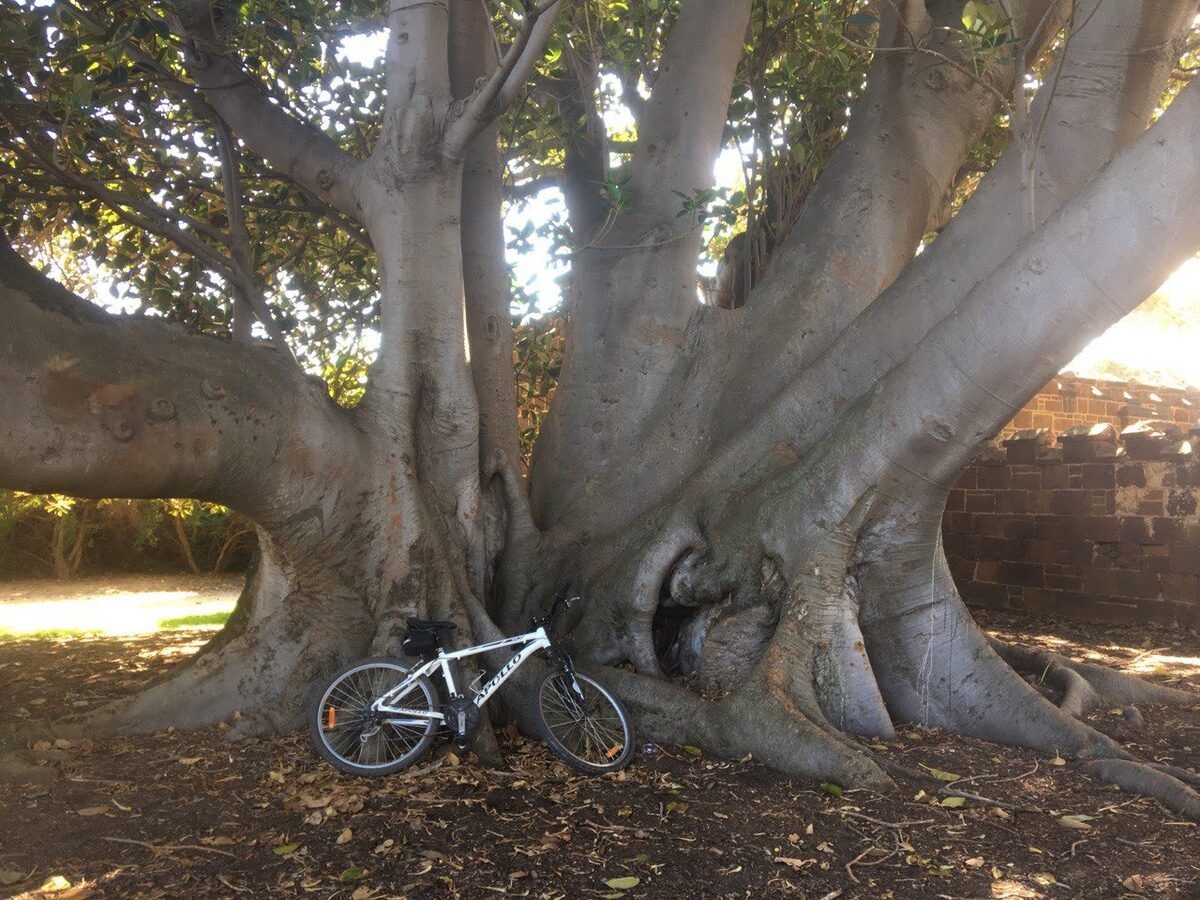
Brachychiton macrophylla
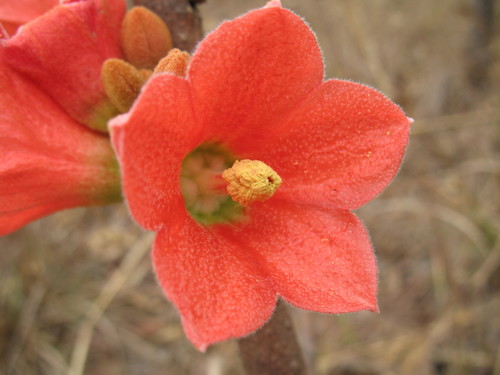
Brachychiton megaphyllus
Red flowered kurrajong
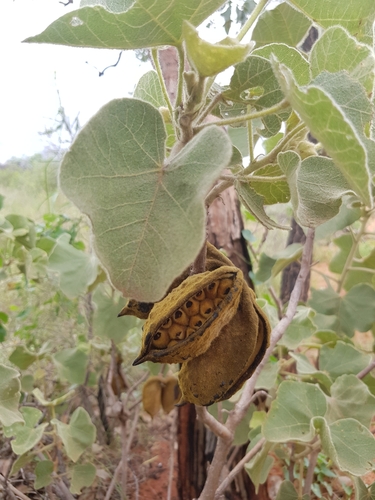
Brachychiton multicaulis
Wild curry kurrajong
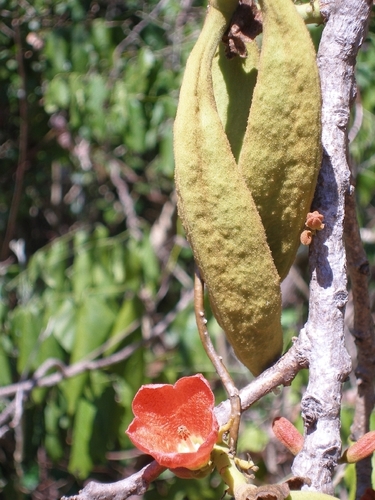
Brachychiton paradoxus
Red Kurrajong, Red-flowered Kurrajong
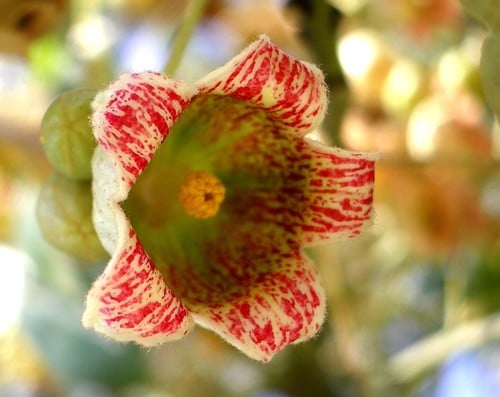
Brachychiton populneus
Black kurrajong
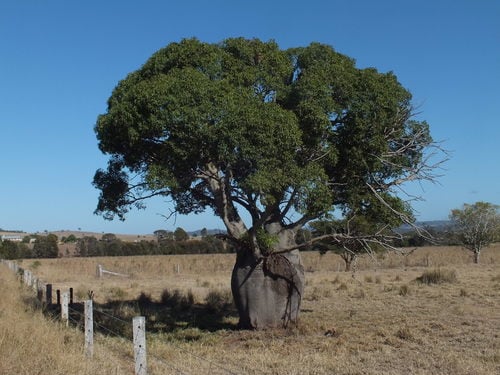
Brachychiton rupestris
Bottle tree, Narrow-leaved bottle tree, Queensland Bottle Tree, Barrel tree