Grevillea heliosperma
R. Br.
Rock Grevillea
iNaturalist· cc-by-nc
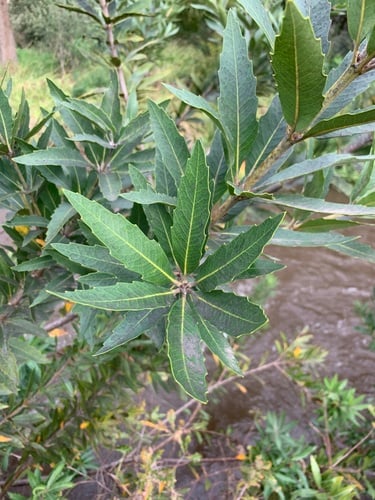
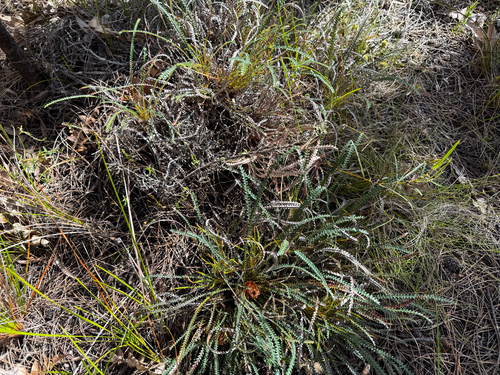
(c) johneichler, some rights reserved (CC BY-NC), uploaded by johneichler
iNaturalist· cc-by-nc
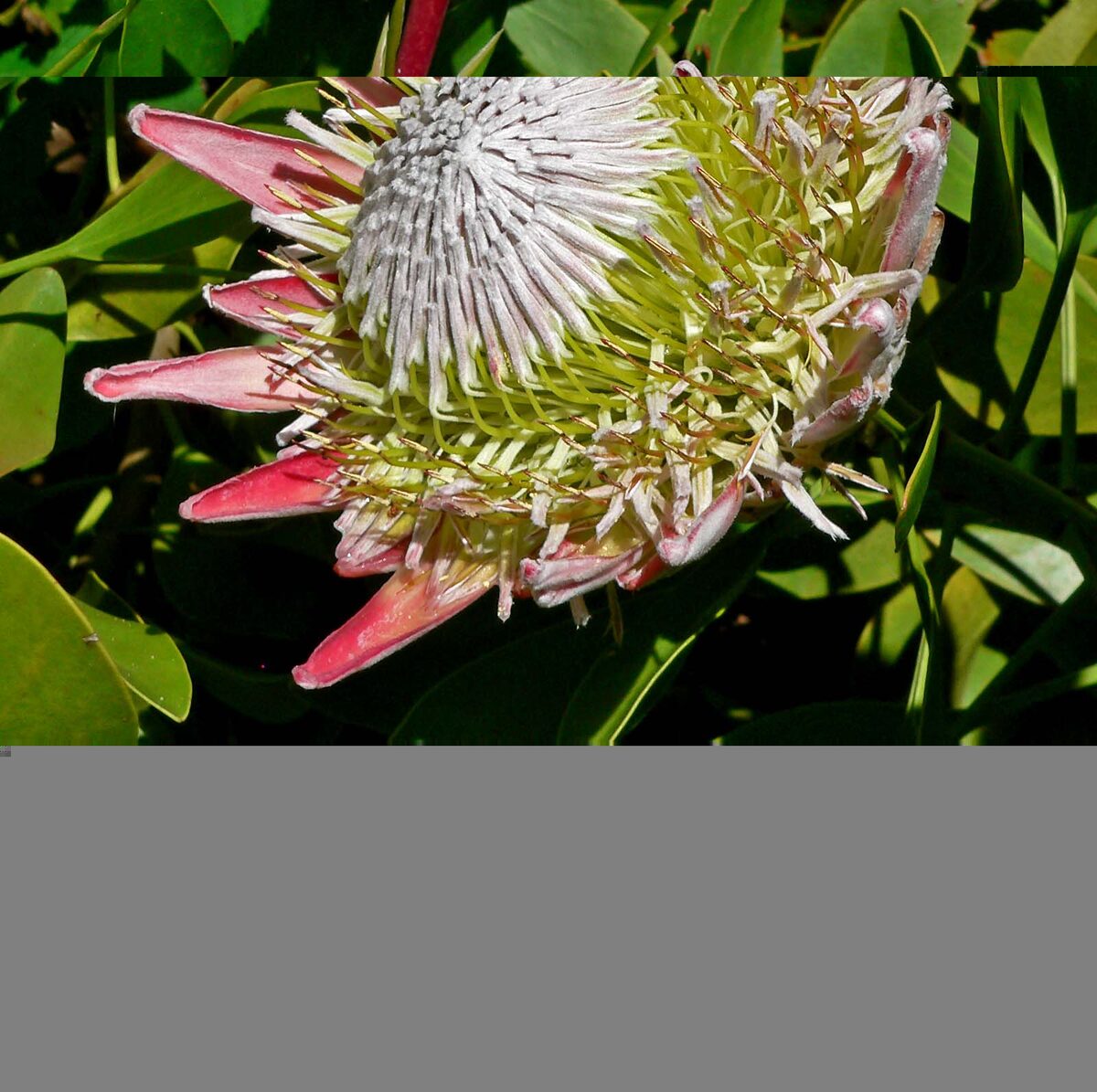
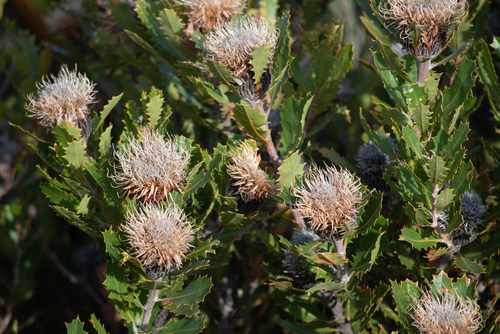
(c) Josh Magro, some rights reserved (CC BY-NC)
Summary
Source: WikipediaGrevillea heliosperma, commonly known as rock grevillea, is a shrub native to northern Australia, generally growing around 3 to 5 m (9.8 to 16.4 ft) tall, rarely to 8 m (26 ft). It has red flowers.
Description
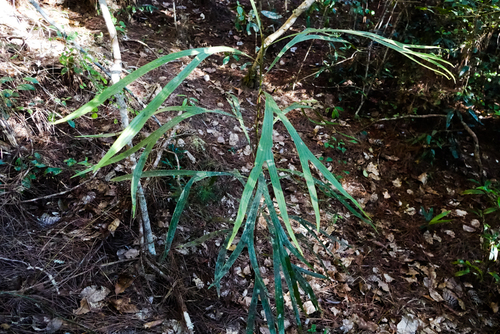
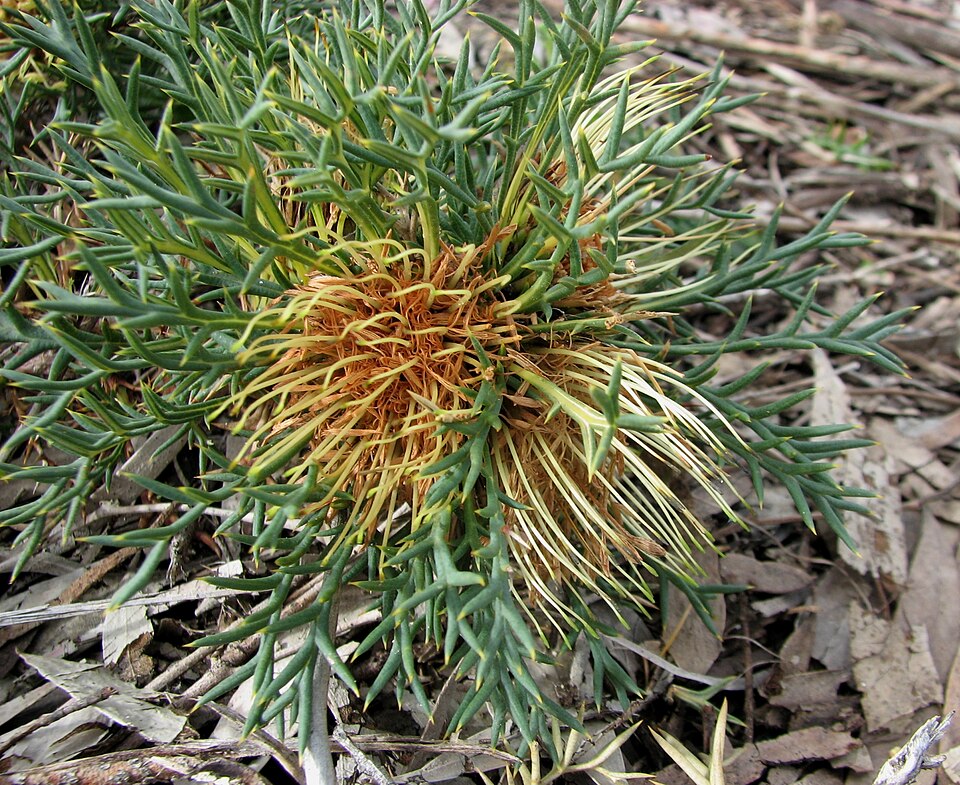
A slender tree. It grows 5-10 m tall. The whole leaf is 15-35 cm long and it is deeply divided into lobes. Sometimes the lobes are divided again. The flowers are red with a style which sticks out. They are 2-3.5 cm long. There are many flowers arranged along a stalk 5-15 cm long. These occur near the ends of branches. The fruit is smooth and round. It is woody and 2.5-3.5 cm across. It is brown when ripe with 2 papery winged seeds.
Edible Uses
The seeds are eaten raw. The flowers provide edible nectar, and gum is also used.
Traditional Uses
The seeds are eaten raw.
This uses section is brief — help expand it
Distribution
A tropical plant. It can grow in the tropics. It grows in sandstone country on rocky slopes. They need a sunny location and well drained soil. It suits hardiness zones 9-12.
Where It Grows
Australia*,
Cultivation
Plants are grown from seed. The seed should be fresh. Seed can be soaked in hot water for 24 hours.
Notes
There are 250 Grevillea species.
Also Known As
Djamudu, Yalyana, Yilingbirradangwa
References (19)
- Bindon, P., 1996, Useful Bush Plants. Western Australian Museum. p 148
- Bodkin, F., 1991, Encyclopedia Botanica. Cornstalk publishing, p 511
- Brock, J., 1993, Native Plants of Northern Australia, Reed. p 203
- Cherikoff V. & Isaacs, J., The Bush Food Handbook. How to gather, grow, process and cook Australian Wild Foods. Ti Tree Press, Australia p 200
- Dunlop, C.R., Leach, G.J. & Cowie, I.D., 1995, Flora of the Darwin Region. Vol 2. Northern Territory Botanical Bulletin No 20. p 123
Show all 19 references Hide references
- Elliot, W.R., & Jones, D.L., 1990, Encyclopedia of Australian Plants suitable for cultivation. Vol 5. Lothian. p 61
- Etherington, K., & Imwold, D., (Eds), 2001, Botanica's Trees & Shrubs. The illustrated A-Z of over 8500 trees and shrubs. Random House, Australia. p 354
- Hibbert, M., 2002, The Aussie Plant Finder 2002, Florilegium. p 114
- Kenneally, K.E., Edinger, D. C., and Willing T., 1996, Broome and Beyond, Plants and People of the Dampier Peninsula, Kimberley, Western Australia. Department of Conservation and Land Management. p 169
- Lazarides, M. & Hince, B., 1993, Handbook of Economic Plants of Australia, CSIRO. p 124
- Milson, J., 2000, Trees and Shrubs of north-west Queensland. DPI p 254
- Olde, P & Marriott, N., 1995, The Grevillea Book. Kangaroo Press. Vol 2. p 192
- Paczkowska, G . & Chapman, A.R., 2000, The Western Australian Flora. A Descriptive Calatogue. Western Australian Herbarium. p 483
- Petheram, R.J. and Kok, B., 2003, Plants of the Kimberley Region of Western Australia. UWA Press p 329
- Smith, M & Kalotas, A. C., 1985, Bardi Plants: An Annotated List of Plants and Their Use by the Bardi Aborigines of Dampierland, in North-western Australia. Rec. West Aust. Mus. 1985, 12(3): 317-359
- Townsend, K., 1994, Across the Top. Gardening with Australian Plants in the tropics. Society for Growing Australian Plants, Townsville Branch Inc. p 234
- Trans. Linn. Soc. London 10:176. 1810
- Vigilante, T., et al, 2013, Island country: Aboriginal connections, values and knowledge of the Western Kimberley islands in the context of an island biological survey. Records of the Western Australian Museum Supplement 81: 145-182
- Wheeler, J.R.(ed.), 1992, Flora of the Kimberley Region. CALM, Western Australian Herbarium, p 470