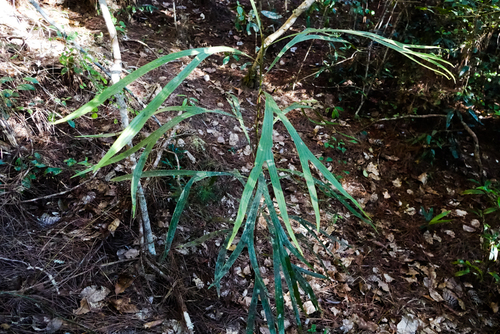
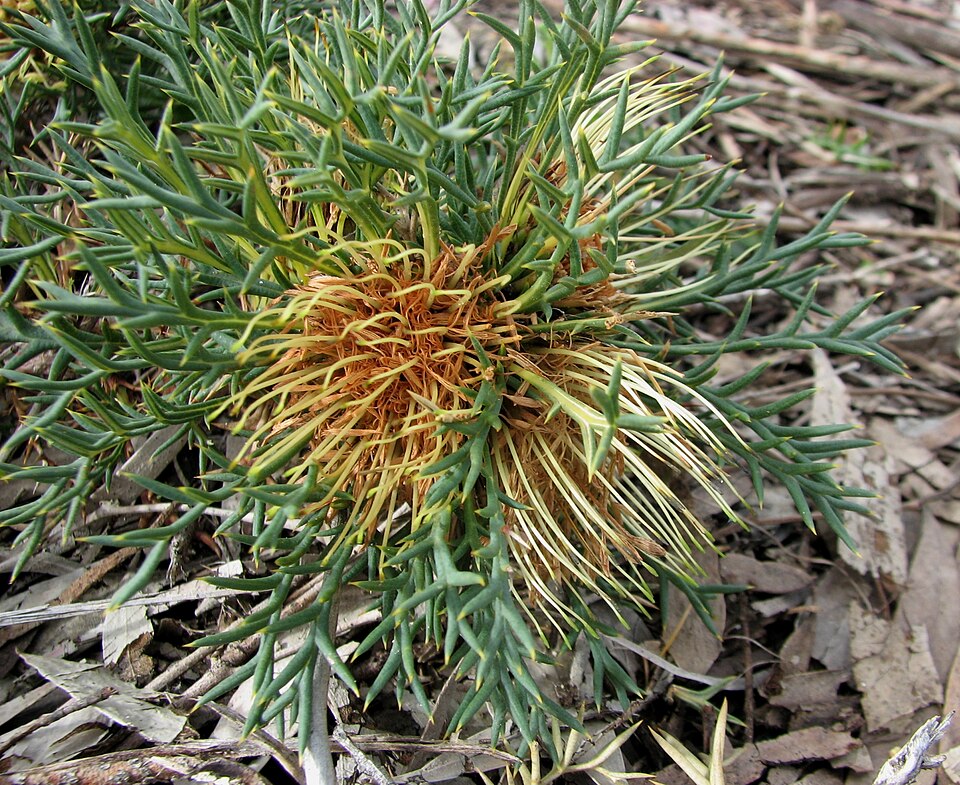
Helicia nilagirica
Beddome
Mountain lagenaria, Hog fruit
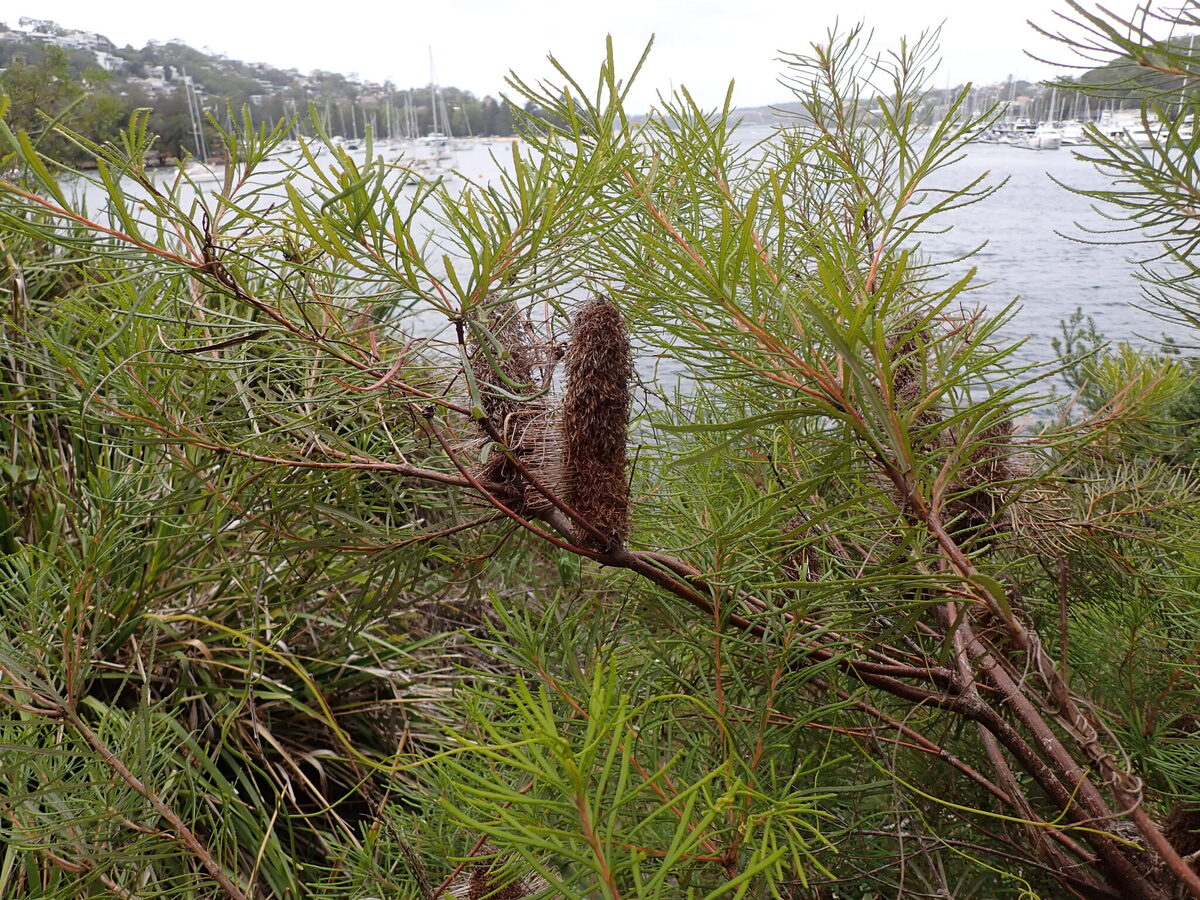
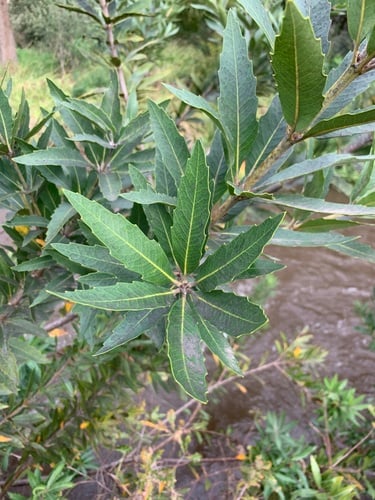
iNaturalist· cc-by-nc-sa
(c) Phuentsho, some rights reserved (CC BY-NC-SA), uploaded by Phuentsho
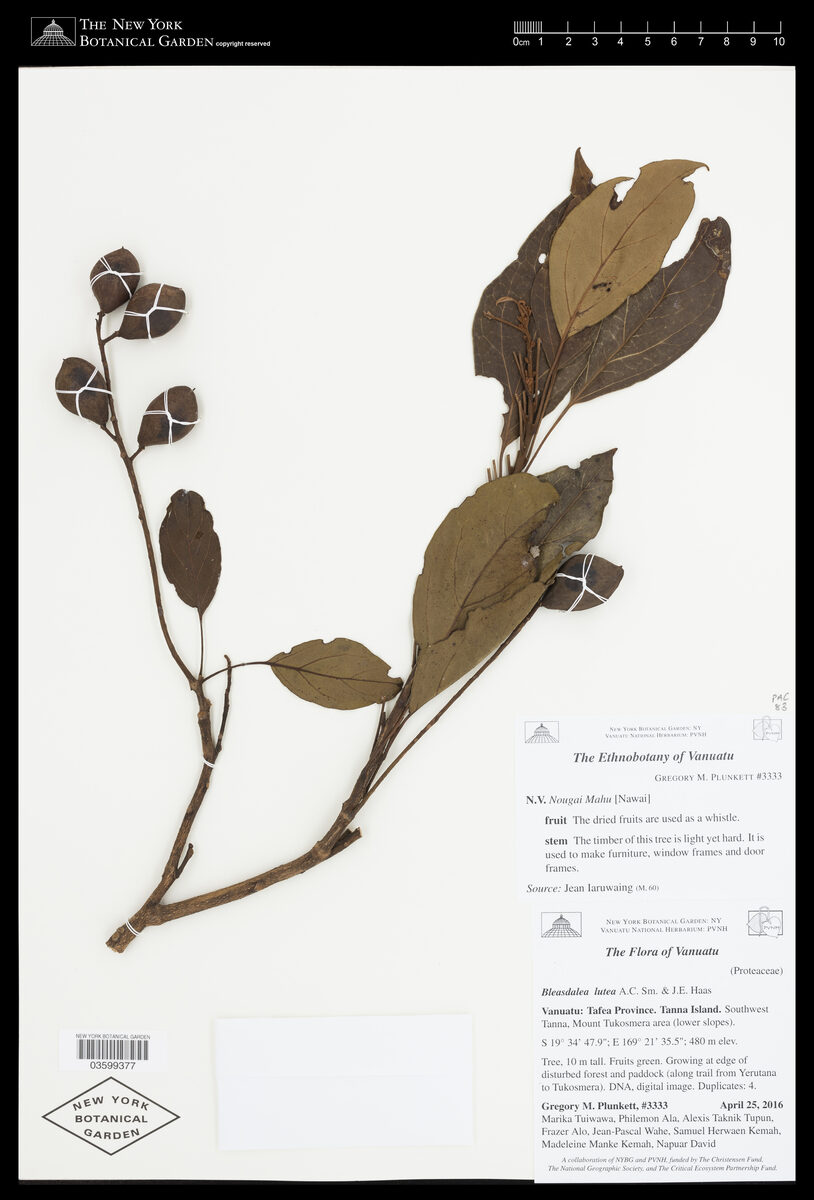
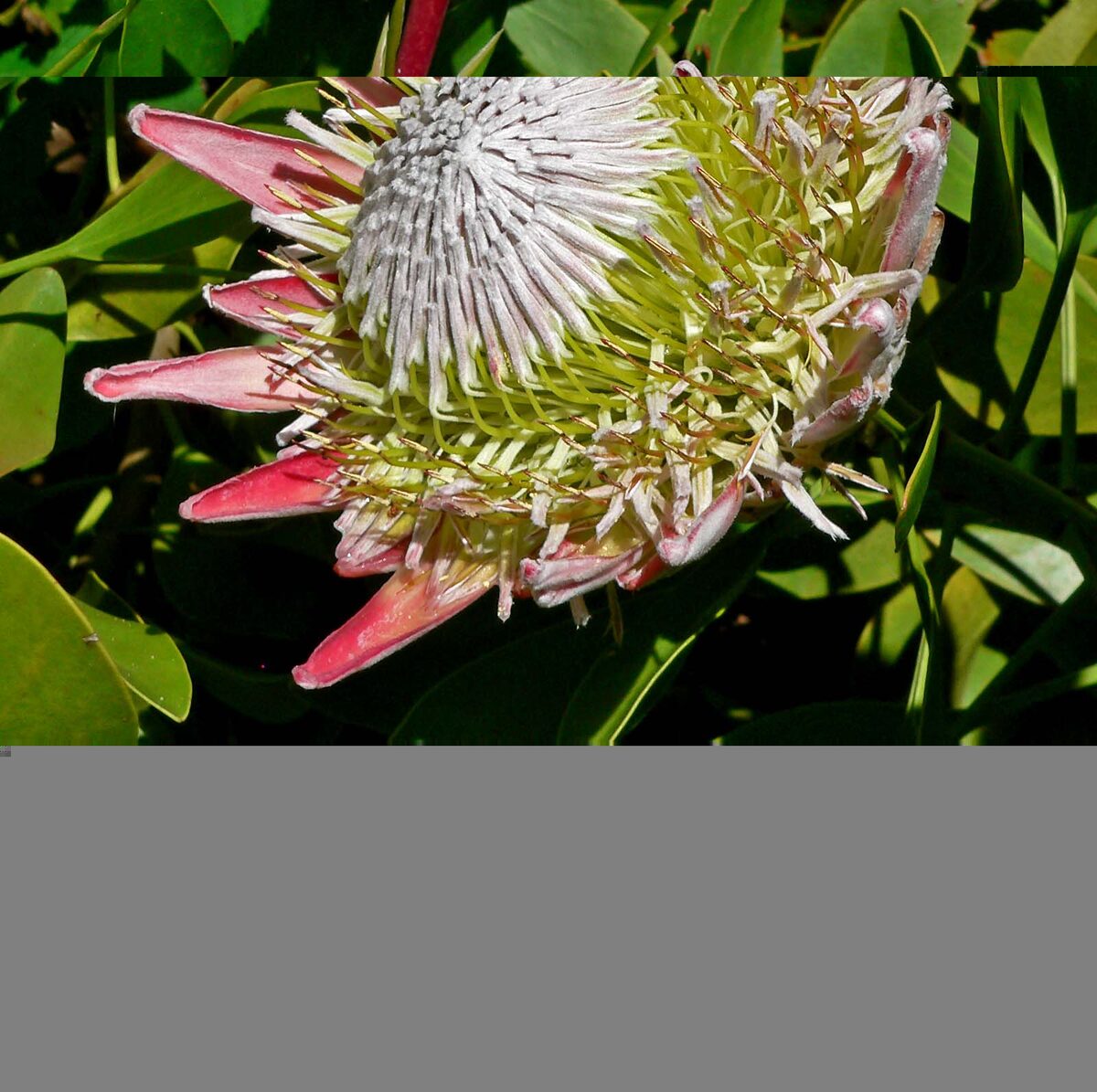
iNaturalist· cc-by-nc
(c) David Renoult, some rights reserved (CC BY-NC), uploaded by David Renoult
Summary
Source: WikipediaHelicia nilagirica is a tree of the Proteaceae family. It grows from Thailand across Mainland Southeast Asia to Yunnan, Zhōngguó/China and over to Nepal. It is a source of wood (including firewood), a pioneer reafforestation taxa, and an ethnomedicinal plant.
Description
A tree. It grows 5-10 m tall. The small branches have a velvety covering. The leaves are broadly oval and 10-17 cm long by 5-9 cm wide. The base is wedge shaped. There are teeth along the edge. The flowers are yellow or white and in pairs on stalks 12-16 cm long. The fruit is round and flattened. They are 25-35 cm long and 4 cm across. They have a woody covering 4 mm thick.
Edible Uses
The seeds are cooked and eaten, and the fruit and flowers are also edible. The fruit are popular and commercially available.
Traditional Uses
The seeds are cooked and eaten.
This uses section is brief — help expand it
Medicinal Uses
The tree is used as a pioneer planting in reforestation work in Thailand. In Cambodia, the wood is used for temporary buildings, while the small twigs and branches are a source of firewood. In the wet forests of Maghalaya, the straight trunk of the tree is used to make handles for tools, including the popular coal digger. A study of the complete chloroplast genome suggest that the plant could be useful as rootstock or gene donor for the nut-crop tree Macadamia integrifolia. The taxa is described as a medicinal plant, its fruit is the main source of helicid which has central nervous system inhibitory effects, while the fruit and leaves contain other useful compounds. Both the fruit and leaves have been used by various peoples in Yunnan. Karen people, living in the Mae Chaem District use the leaves of the species as a compress to muscle pain in their ethnopharmacological system. Lawa people, living alongside the Karen villagers, do not use the taxa as an ethnomedicinal plant, which indicates that cultural history and background are more important factors in ethnopharmacology than geographic area.
Distribution
It is a subtropical plant. It is native to the eastern Himalayas region in China. It grows among trees in sunny hillsides between 1,100-2,100 m altitude. In Yunnan.
Where It Grows
Asia, Bangladesh, Bhutan, Cambodia, China, Himalayas, India, Indochina, Laos, Myanmar, Nepal, SE Asia, Sikkim, Thailand, Vietnam,
Cultivation
A fast-growing species.
Other Uses
The pinkish-grey wood is moderately hard. The wood would do for inlay work and fancy articles, but it is not durable. The tree is planted as a pioneer species in northern Thailand in reforestation projects to restore native woodland - it is planted in degraded woodland and open areas in a mix with various other species that all have the ability to grow fast; produce dense, weed-suppressing crowns; and attract seed-dispersing wildlife, particularly birds and bats.
Other Information
The fruit are popular.
Notes
There are about 90 Helicia species mostly in SE Asia with some in N Australia.
Synonyms
Also Known As
Bandre, Dieng-lin-gimrit, Dieng-soh-tyreit, Kharo pakan, Kong bai a bo, Zheyong kung, Zheyong-kung
References (12)
- Ambasta, S.P. (Ed.), 2000, The Useful Plants of India. CSIR India. p 260 (As Helicia erratica)
- Fl. Brit. India 5:189. 1886 (As Helicia erratica)
- Flora of China @ efloras.org Volume 5
- http://Satoyama-initiative.org/en/community-forestry-in-thailand/
- Hu, Shiu-ying, 2005, Food Plants of China. The Chinese University Press. p 366
Show all 12 references Hide references
- Krishna, B., & Singh, S., 1987, Ethnobotanical Observations in Sikkim. J. Econ. Tax. Bot. Vol. 9 No. 1 pp 1-7
- Liu, Yi-tao, & Long, Chun-Lin, 2002, Studies on Edible Flowers Consumed by Ethnic Groups in Yunnan. Acta Botanica Yunnanica. 24(1):41-56
- Luo, B., et al, 2019, Wild edible plants collected by Hani from terraced rice paddy agroecosystem in Honghe Prefecture, Yunnan, China. Journal of Ethnobiology and Ethnomedicine 15:56
- Madras J. Lit. Sci. ser. 3, 1:56. 1864
- Pasha, M. K. & Uddin, S. B., 2019, Minor Edible Fruits of Bangladesh. Bangladesh J. Plant Taxon. 26(2): 299–313 (As Helicia erratica)
- Savita, et al, 2006, Studies on wild edible plants of ethnic people in east Sikkim. Asian J. of Bio Sci. (2006) Vol. 1 No. 2 : 117-125 (As Helicia erratica)
- Use of Native Plants in the Pala River Basin North Thailand. Eco Thai German Farm