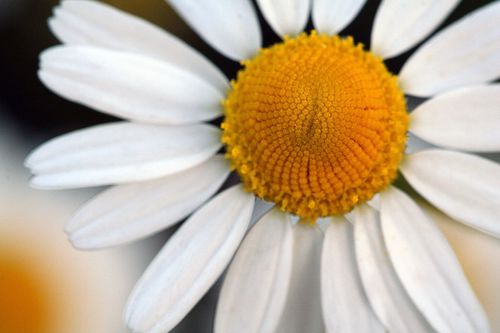
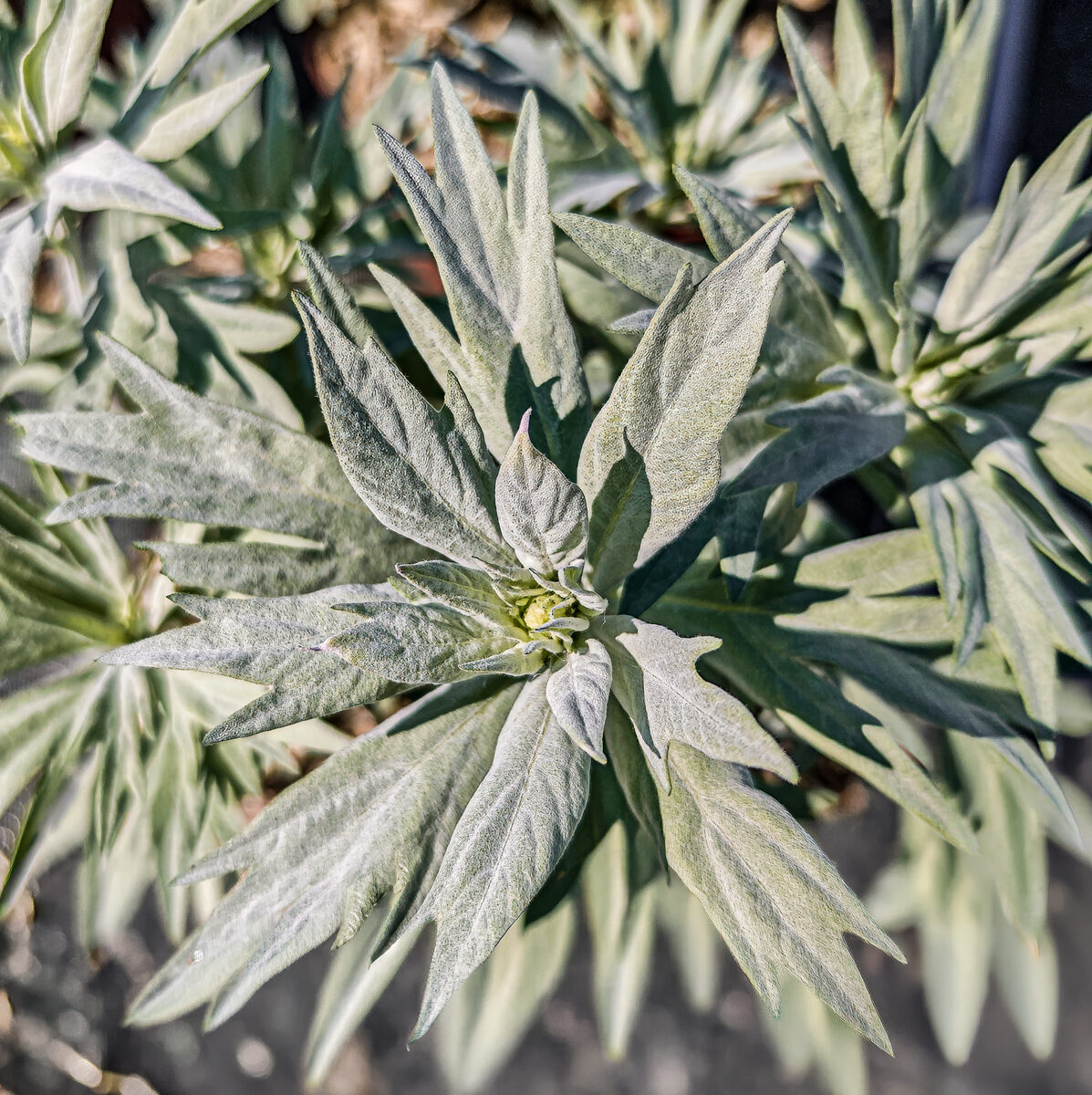
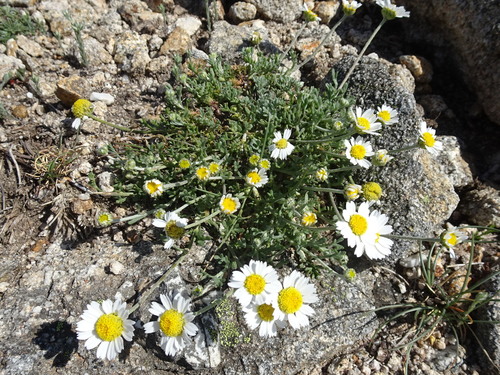
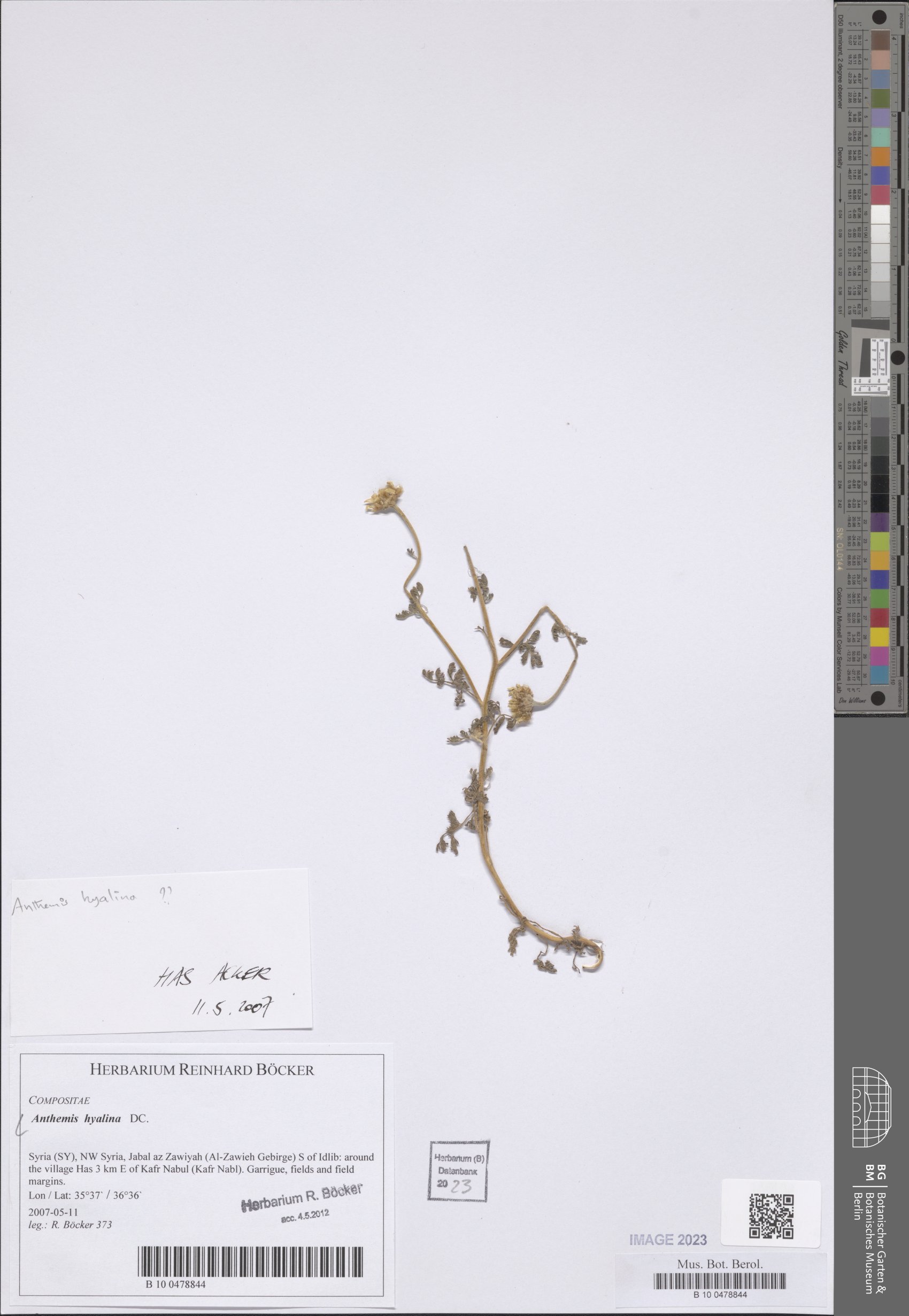
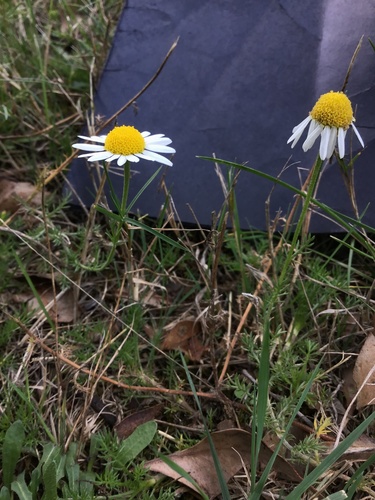
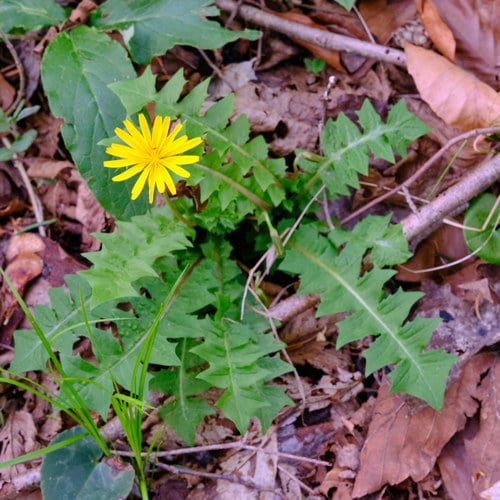
Grangea maderaspatana
(L.) Poir.
Madras carpet
iNaturalist· cc-by
(c) HM Emon, some rights reserved (CC BY)
iNaturalist· cc-by-nc
(c) Shin-Ming Ku, some rights reserved (CC BY-NC)
iNaturalist· cc-by-nc
(c) Shin-Ming Ku, some rights reserved (CC BY-NC)
Summary
Source: WikipediaGrangea maderaspatana, commonly known as Madras carpet, is a flowering plant in the family Asteraceae.
Description
A leafy herb. It grows each year from seed. It lies along the ground. It forms round patches. It grows 50 cm tall. The stems are hairy. The leaves have stalks. The edges are deeply wavy and divided into narrow leaflets. The flower heads are green or yellow. The fruit is an achene.
Edible Uses
The tender leaves are cooked as a vegetable.
Traditional Uses
The tender leaves are cooked as a vegetable.
This uses section is brief — help expand it
Medicinal Uses
The leaves are said to be anodyne. They are taken in an infusion, or in a soup, as a stomachic. Externally, the leaf-sap is used to treat earache. The powdered dry leaves or wet-leaf compress are applied to contusions.
Distribution
A tropical and subtropical plant. It grows in Nepal to about 2000 m altitude. It grows on dry, sandy loams. It is common on the edges of canals, ditches and rice fields. It grows in wet grassland savannah. In Yunnan.
Where It Grows
Africa, Asia, Burkina Faso, Cambodia, Cameroon, Central Africa, China, East Africa, Gabon, Guinea, Guinée, Guinea-Bissau, Himalayas, India, Indochina, Indonesia, Laos, Malawi, Malaysia, Mali, Mozambique, Myanmar, Nepal, Nigeria, Pakistan, SE Asia, Senegal, Sri Lanka, Taiwan, Tanzania, Thailand, Vietnam, West Africa, Zambia,
Cultivation
Plants are grown from seeds or by splitting the clump.
Nutrition
| Part | Moisture | kJ | kcal | Protein | Vit A | Vit C | Iron | Zinc |
|---|---|---|---|---|---|---|---|---|
| Leaves | 89.9 | 80 | 19 | 3.2 | — | 60 | — | — |
Synonyms
Also Known As
Bhediachim, Bichi ba, Cai dong, Davana, Gobre jhar, Jhim jhime, Jhinkimundi, Machipatri, Masipathri, Mukhatari, Mustaru, Nahanigorakha-mundi, Namuti, Nilampala, Rau coc, Save, Taw-ma-hnyo-lon, Ye-tazwet
References (10)
- Ambasta, S.P. (Ed.), 2000, The Useful Plants of India. CSIR India. p 247
- Burkill, H. M., 1985, The useful plants of west tropical Africa, Vol. 1. Kew.
- Encycl. suppl. 2:825. 1812
- Fowler, D. G., 2007, Zambian Plants: Their Vernacular Names and Uses. Kew. p 12
- Manandhar, N.P., 2002, Plants and People of Nepal. Timber Press. Portland, Oregon. p 250
Show all 10 references Hide references
- Mot So Rau Dai an Duoc O Vietnam. Wild edible Vegetables. Ha Noi 1994, p 90
- Pickering, H., & Roe, E., 2009, Wild Flowers of the Victoria Falls Area. Helen Pickering, London. p 37
- Swapna, M. M. et al, 2011, A review on the medicinal and edible aspects of aquatic and wetland plants of India. J. Med. Plants Res. 5 (33) pp. 7163-7176
- Tanaka, Y. & Van Ke, N., 2007, Edible Wild Plants of Vietnam: The bountiful garden. Orchid books. p 48
- World Checklist of Useful Plant Species 2020. Royal Botanic Gardens, Kew