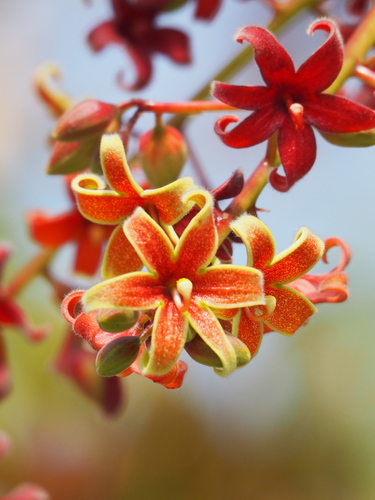
Glyphaea brevis
(Sprengel) Monachino
iNaturalist· cc-by-nc
(c) Carel Jongkind, some rights reserved (CC BY-NC), uploaded by Carel Jongkind
iNaturalist· cc-by-nc
(c) Bart Wursten, some rights reserved (CC BY-NC)
iNaturalist· cc-by-nc
(c) Bart Wursten, some rights reserved (CC BY-NC)
Description
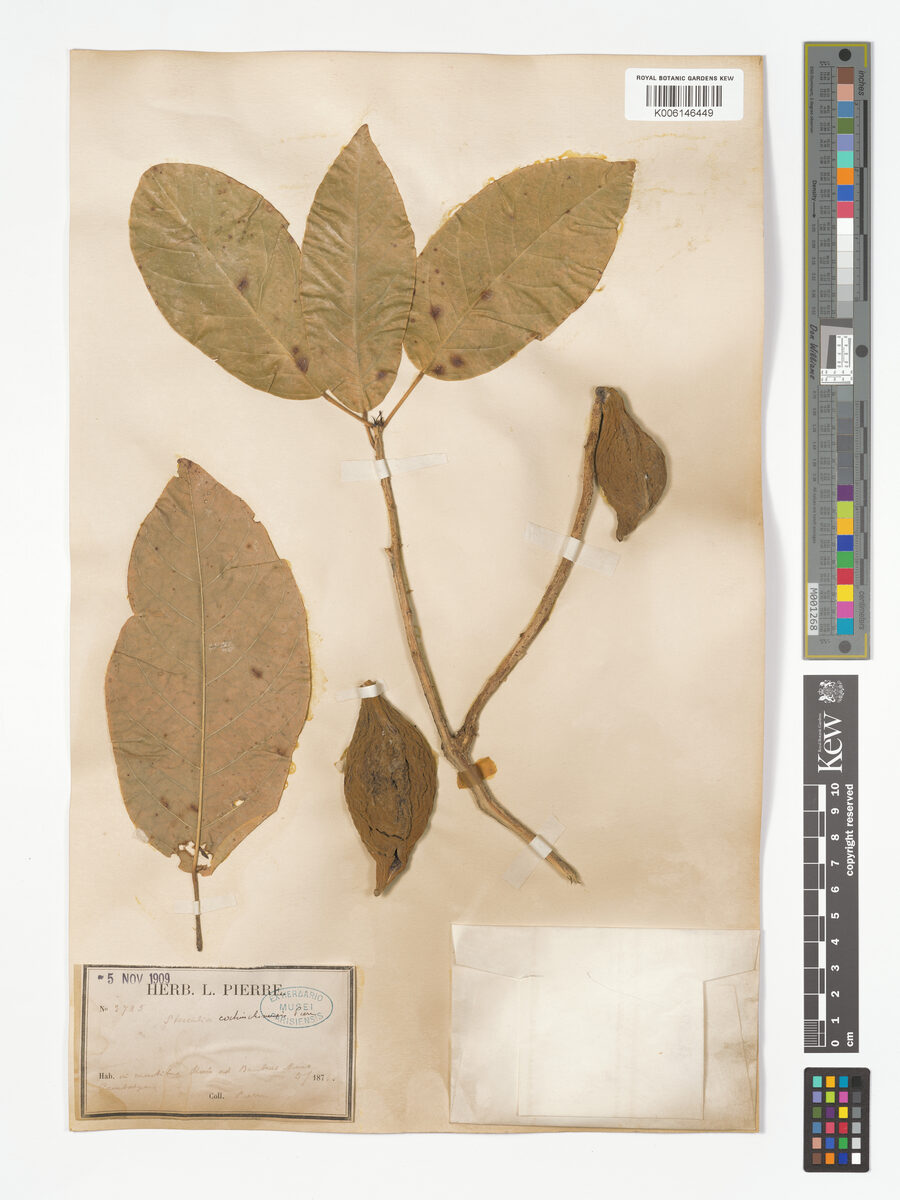
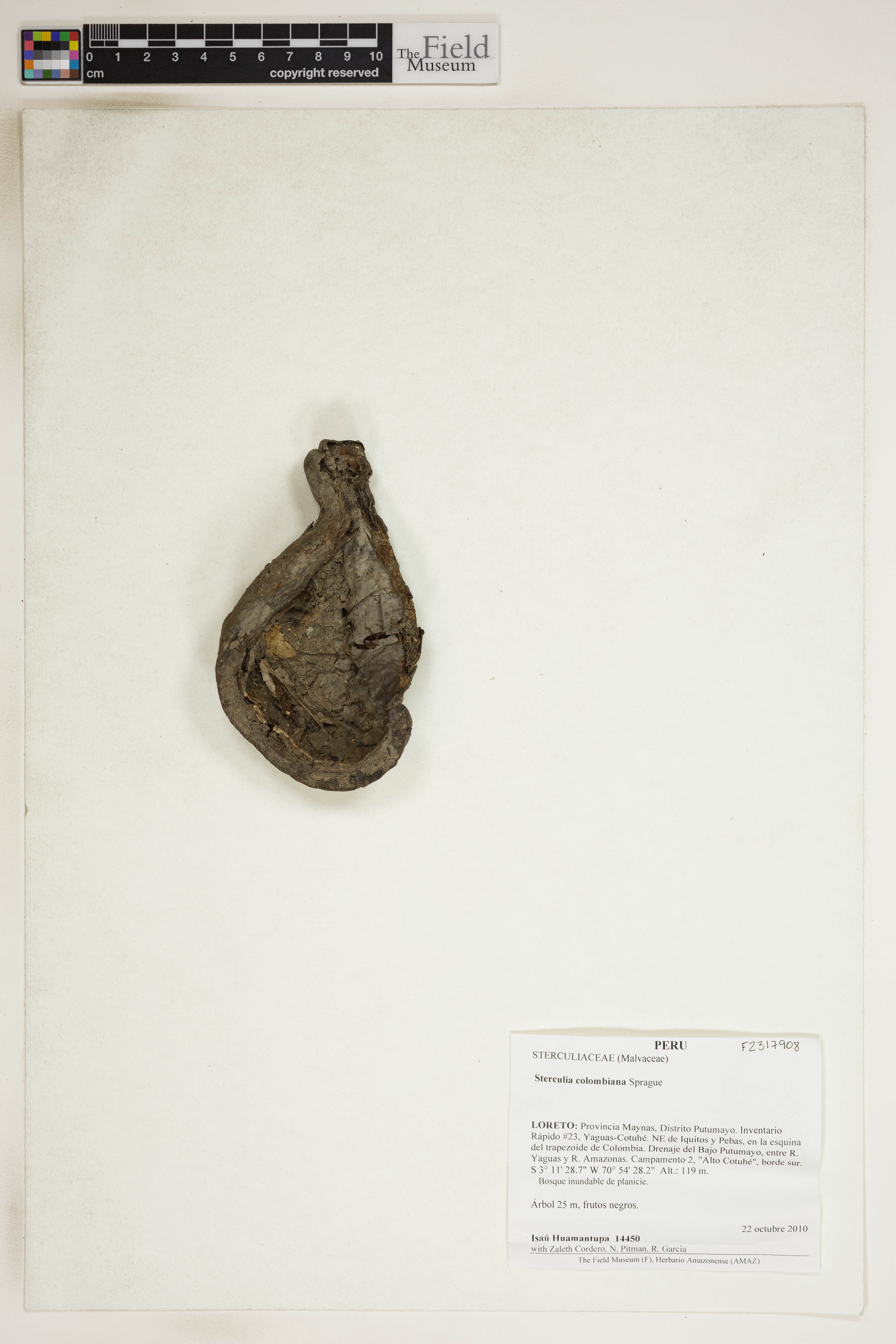
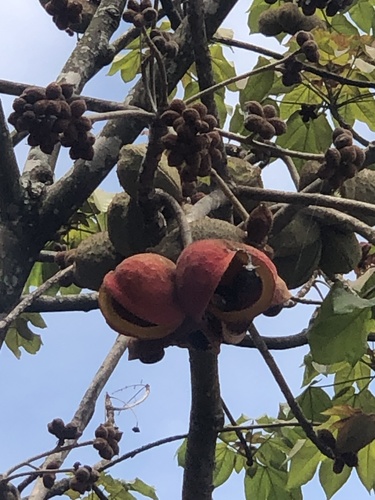
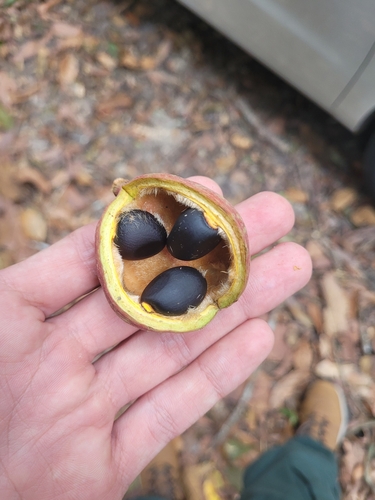
A shrub or small tree. It grows 3-6 m tall. The bark is grey-brown. The small branches have hairs when young. The leaves are 5-30 cm long by 2-11 cm wide. The leaves usually droop. They are oblong and rounded at the base. There are normally small teeth along the edge. The leaf stalk is 5-30 mm long. The flowers are yellow. The flowers are in a head near the ends of branches. These are 2.5-3.5 cm across. The fruit are like a woody okra fruit. The fruit are spindle shaped and grooved. They are 4-7 cm long and 10-15 mm wide.
Edible Uses
The flower buds are cooked, and the stem is used as a chew stick. The leaves and fruit are also edible.
Traditional Uses
The stem is used as a chew stick. The flower buds are cooked.
This uses section is brief — help expand it
Distribution
It is a tropical plant. It is mainly in forest regrowth. It is also along stream banks.
Where It Grows
Africa, Angola, Cameroon, Central Africa, Central African Republic, CAR, Congo R, Côte d'Ivoire, East Africa, Gabon, Guinea, Guinée, Guinea-Bissau, Ivory Coast, Nigeria, Senegal, Sierra Leone, Sudan, Tanzania, West Africa,
Production
The flowers occur all year round.
Notes
There are 2 Glyphaea species in Africa. This is probably the same as Glyphaea tomentosa. These have also been in the Tiliaceae.
Nutrition
| Part | Moisture | kJ | kcal | Protein | Vit A | Vit C | Iron | Zinc |
|---|---|---|---|---|---|---|---|---|
| Leaves raw | 83.8 | 213 | 51 | 3.1 | — | — | — | — |
Synonyms
Also Known As
Atofin, Atori, Itolon, Keng
References (16)
- Busson, 1965,
- Chapman, J. D. & Chapman, H. M., 2001, The Forest Flora of Taraba and Andamawa States, Nigeria. WWF & University of Canterbury. p 205
- Dalziel, J. M., 1937, The Useful plants of west tropical Africa. Crown Agents for the Colonies London.
- Diop, A. l., et al, 2021, Cultural importance of wild edible plants in three sympatric communities: Agni, Akyé and Gwa in the Department of Alépé (Southeast of Côte d’Ivoire). Ethnobotany Research and Applications 22:35. p 6
- Food Composition Tables for use in Africa FAO http://www.fao.org/infoods/directory No. 647
Show all 16 references Hide references
- Grubben, G. J. H. and Denton, O. A. (eds), 2004, Plant Resources of Tropical Africa 2. Vegetables. PROTA, Wageningen, Netherlands. p 562
- Jardin, C., 1970, List of Foods Used In Africa, FAO Nutrition Information Document Series No 2.p 79
- Keay, R.W.J., 1989, Trees of Nigeria. Clarendon Press, Oxford. p 117
- Martin, F.W. & Ruberte, R.M., 1979, Edible Leaves of the Tropics. Antillian College Press, Mayaguez, Puerto Rico. p 221 (As Glyphaea laterifolia)
- Nkeoua, G. & Boundzanga, G. C., 1999, Donnees sur les produits forestieres non ligneux en Republique du Congo. FAO. p 28 (As Glyphaea laterifolia)
- Okigbo, B.N., Vegetables in Tropical Africa, in Opena, R.T. & Kyomo, M.L., 1990, Vegetable Research and development in SADCC countries. Asian Vegetable Research and development Centre. Taiwan. p 45
- Peters, C. R., O'Brien, E. M., and Drummond, R.B., 1992, Edible Wild plants of Sub-saharan Africa. Kew. p 190
- Ubom, R. M., 2010, Ethnobotany and Diversity Conservatioon in the Niger Delta, Nigeria. International Journal of Botany. 6(3): 310-322
- von Katja Rembold, 2011, Conservation status of the vascular plants in East African rain forests. Dissertation Universitat Koblenz-Landau p 168
- White, F., Dowsett-Lemaire, F. and Chapman, J. D., 2001, Evergreen Forest Flora of Malawi. Kew. p 570
- World Checklist of Useful Plant Species 2020. Royal Botanic Gardens, Kew