Crotalaria polysperma
Kotschy ex Schweinf.
gbif· cc-by-sa
Susan Brown
gbif· cc-by-sa
Susan Brown
gbif· cc-by-sa
Susan Brown
Description
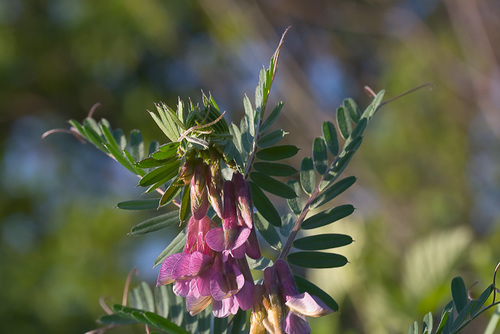
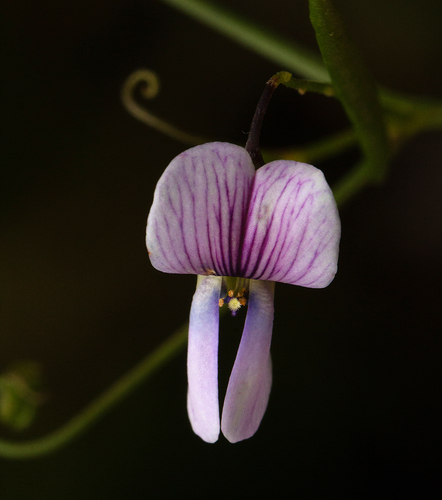
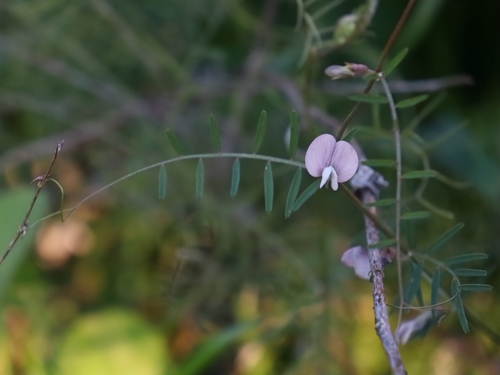
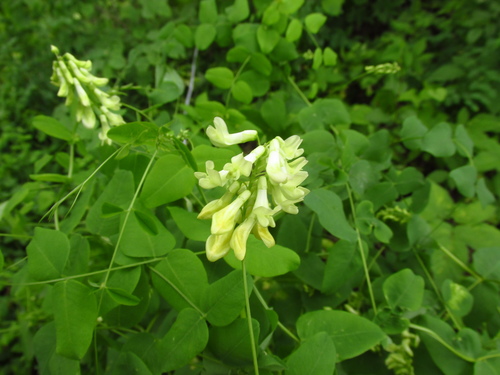
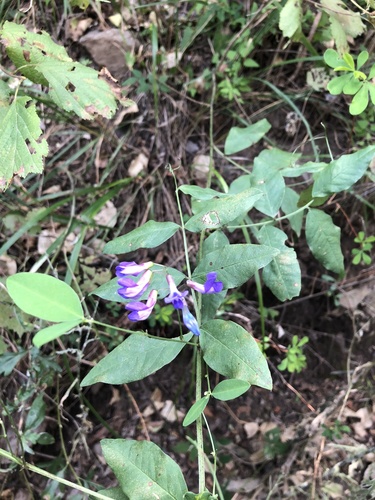
An annual herb or shrub. It can grow to 1.2 m high. It is erect with many branches. These are covered with hairs. The leaves are compound with 3 leaflets. The leaflets are 3-7 cm long by 2-4 cm wide. They are narrowly oval and pointed. The flowers are in loose groups or 12-20 flowers. The flowers are blue. The fruit is a pod 4-5 cm long. The seeds are 3.5 mm long.
Edible Uses
The leaves and flowers are edible.
Distribution
It is a tropical plant. It can grow up to 1,050 m above sea level. It grows in grassland. It is common along the Zambezi River valley.
Where It Grows
Africa, East Africa, Ethiopia, Kenya, Malawi, Mozambique, Sudan, Tanzania, Uganda, Zambia, Zimbabwe,
Synonyms
Also Known As
Caginde, Majaghwa, Tekera
References (7)
- Addis, G., et al, 2013, The Role of Wild and Semi-wild Edible Plants in Household Food Sovereignty in Hamer and Konso Communities, South Ethiopia. Ethnobotany Research & Applications. 11:251-271
- East African Herbarium records, 1981,
- Johns, T., Mhoro, E. B. and Sanaya, P., 1996, Food Plants and Masticants of the Batemi of Ngorongoro District, Tanzania. Economic Botany, Vol. 50, No. 1, pp. 115-121
- Lulekal, E., et al, 2011, Wild edible plants in Ethiopia: a review on their potential to combat food insecurity. Afrika Focus - Vol. 24, No 2. pp 71-121
- Mutie, F. M., et al, 2023, Important Medicinal and Food Taxa (Orders and Families) in Kenya, Based on Three Quantitative Approaches. Plants 2023, 12, 1145
Show all 7 references Hide references
- Peters, C. R., O'Brien, E. M., and Drummond, R.B., 1992, Edible Wild plants of Sub-saharan Africa. Kew. p 132
- Reis, S. V. and Lipp, F. L., 1982, New Plant Sources for Drugs and Foods from the New York Botanical Garden herbarium. Harvard. p 131