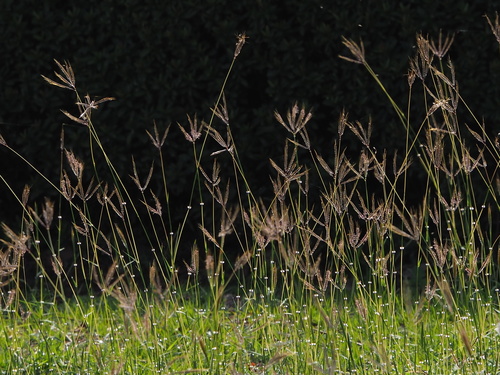
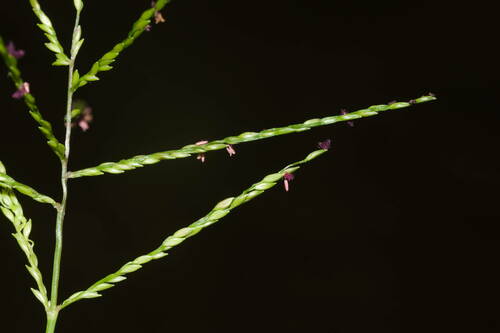
Glyceria acutiflora
Torr.
Creeping Manna Grass
iNaturalist· cc-by-nc
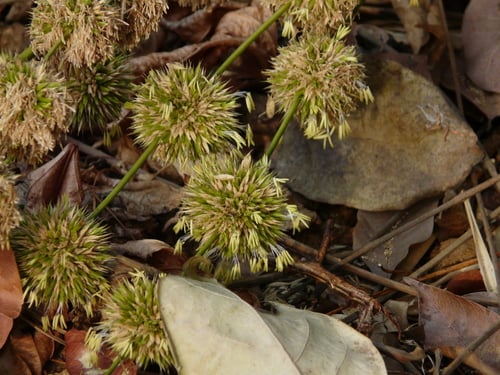
(c) Shaun Pogacnik, some rights reserved (CC BY-NC), uploaded by Shaun Pogacnik
iNaturalist· cc0
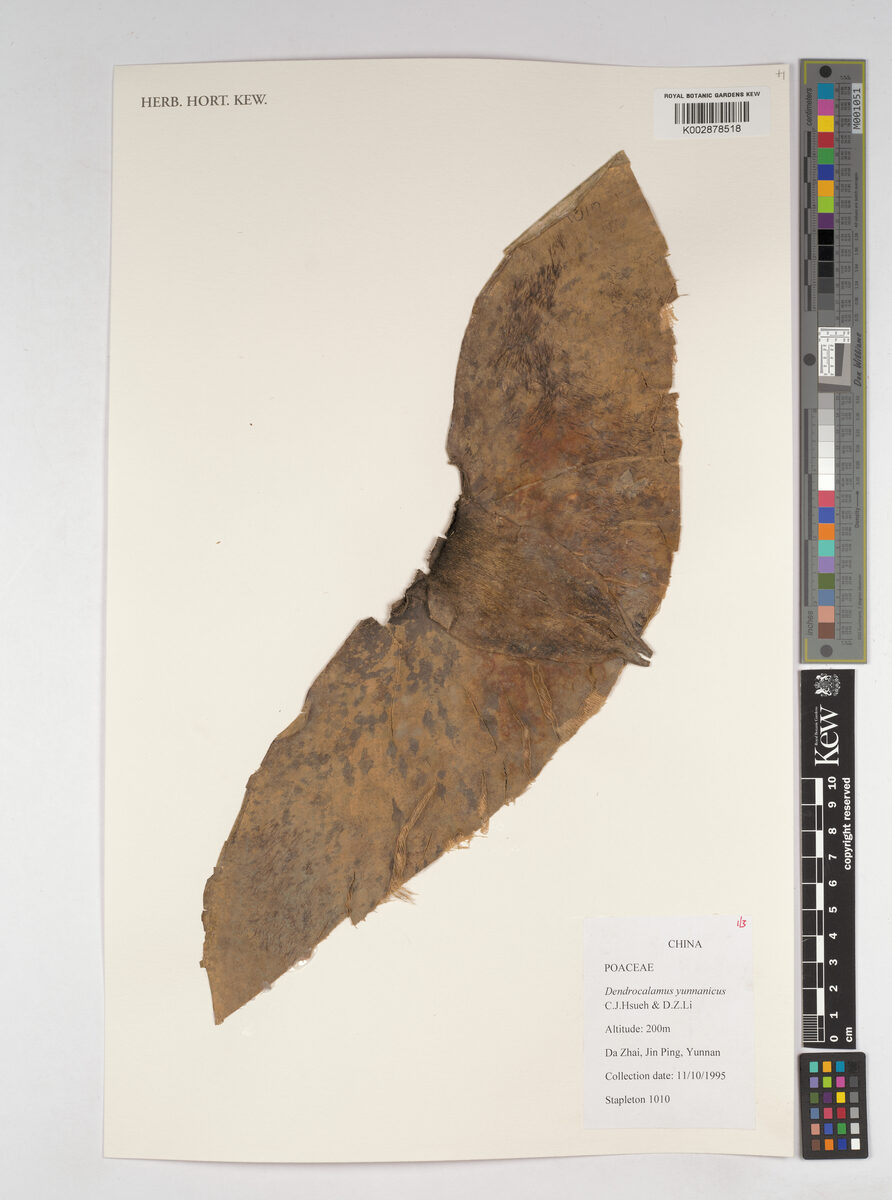
no rights reserved
iNaturalist· cc-by-nc
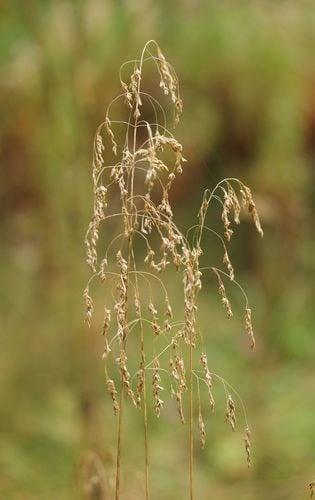
(c) Theo Witsell, some rights reserved (CC BY-NC)
Summary
Source: WikipediaGlyceria acutiflora, the creeping mannagrass, is a perennial grass found in the north-eastern United States and in north-eastern Asia. Its specific epithet acutiflora means "acute-flowered". It has a diploid number of 40.
Description
A perennial grass reaching 0.6m tall, hermaphroditic and wind-pollinated. Grows in light sandy, medium loamy, and heavy clay soils with mildly acid, neutral, and basic pH tolerance. Requires full sun, prefers wet soil, and grows in water.
Edible Uses
The seeds can be ground into flour and used as a cereal. They are considered an emergency food, used when all else fails. The seed is very small and fiddly to harvest.
Medicinal Uses
None known
Distribution
It will grow in shallow water.
Where It Grows
Asia, China, Japan, Korea, North America, USA,
Cultivation
We have very little information on this species and do not know if it will be hardy in Britain. It will require wet conditions or shallow water.
Propagation
Sow seed in spring in a greenhouse in a pot standing in 3–5cm of water, surface-sowing or barely covering the seed. Germination should occur within 3 weeks. Prick seedlings into individual pots when large enough to handle and plant out in early summer. Division in spring is also straightforward; larger clumps can be replanted directly into permanent positions, though smaller clumps are better potted up and grown on in a cold frame until rooting well before planting out in spring.
Other Uses
None known
Notes
There are 16 (40) Glyceria species. They grow in temperate places. They grow along the edges of streams.
References (2)
- Romanowski, N., 2007, Edible Water Gardens. Hyland House. p 58
- Plants for a Future database, The Field, Penpol, Lostwithiel, Cornwall, PL22 0NG, UK. http://www.scs.leeds.ac.uk/pfaf/