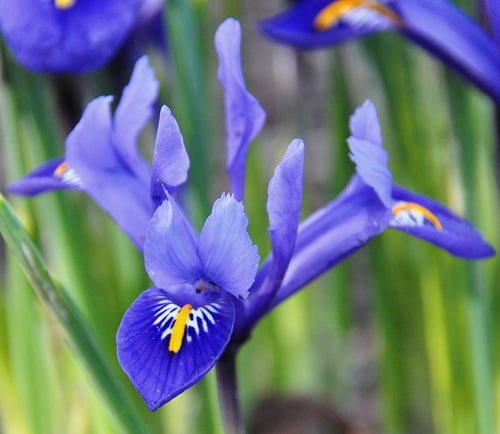
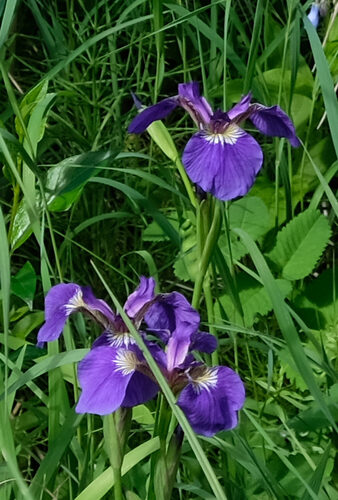
Gladiolus unguiculatus
Baker
Sword lily
iNaturalist· cc-by-nc
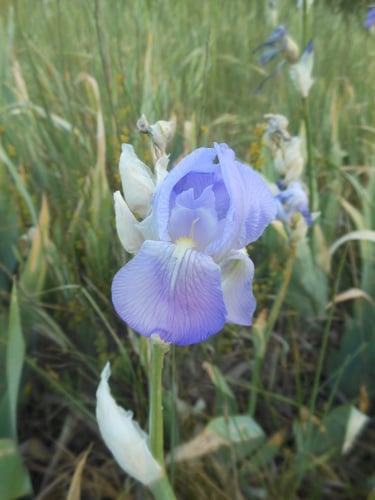
(c) Jean, some rights reserved (CC BY-NC), uploaded by Jean
iNaturalist· cc-by-nc
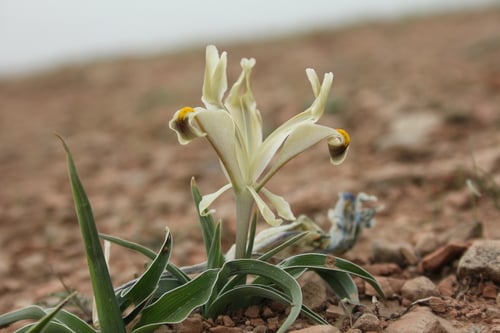
(c) Jakob Fahr, some rights reserved (CC BY-NC), uploaded by Jakob Fahr
iNaturalist· cc-by-nc
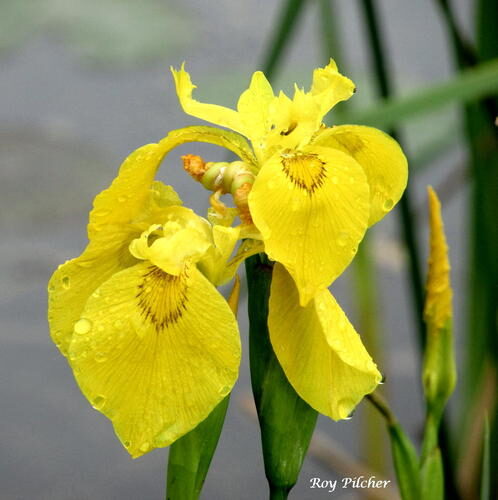
(c) Jakob Fahr, some rights reserved (CC BY-NC), uploaded by Jakob Fahr
Summary
A bulb-forming plant. Hermaphroditic and insect-pollinated. Tolerates light sandy, medium loamy, and heavy clay soils across mildly acidic to mildly alkaline pH ranges. Can grow in semi-shade (light woodland) or full sun. Prefers moist soil.
Description
A herb. It keeps growing from year to year. It grows 30-60 cm high. The corms are 15-25 mm across. The leaves develop on separate shoots after the flowering. There are up to 18 flowers on a stalk. They are purple and have some white parts.
Edible Uses
The bulb is cooked and eaten in porridges and soups.
Medicinal Uses
None known.
Distribution
A tropical plant. It grows in seasonally wet sites. It grows in wooded grassland.
Where It Grows
Africa, Angola, Botswana, Central Africa, East Africa, Gambia, Ghana, Guinea, Guinée, Guinea-Bissau, Malawi, Mozambique, Nigeria, Senegal, South Africa, Southern Africa, West Africa, Zambia, Zimbabwe,
Cultivation
None known
Propagation
Seed.
Other Uses
None known.
Notes
There are about 150-300 Gladiolus species.
Nutrition
| Part | Moisture | kJ | kcal | Protein | Vit A | Vit C | Iron | Zinc |
|---|---|---|---|---|---|---|---|---|
| Corm | 60.2 | 564 | 135 | 2 | — | — | 19 | — |
Synonyms
References (4)
- Abbiw, D.K., 1990, Useful Plants of Ghana. West African uses of wild and cultivated plants. Intermediate Technology Publications and the Royal Botanic Gardens, Kew. p 31
- Chapman, J. D. & Chapman, H. M., 2001, The Forest Flora of Taraba and Andamawa States, Nigeria. WWF & University of Canterbury. p 210
- Grivetti, L. E., 1980, Agricultural development: present and potential role of edible wild plants. Part 2: Sub-Saharan Africa, Report to the Department of State Agency for International Development. p 24
- Jardin, C., 1970, List of Foods Used In Africa, FAO Nutrition Information Document Series No 2.p 16