Lapeirousia anceps
(L.f.) Ker Gawl.
iNaturalist· cc-by-sa
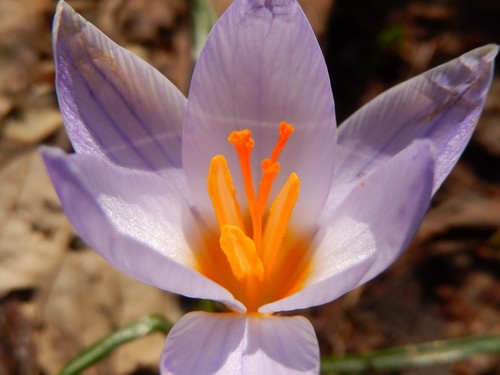
(c) Brian du Preez, some rights reserved (CC BY-SA), uploaded by Brian du Preez
iNaturalist· cc-by-nc
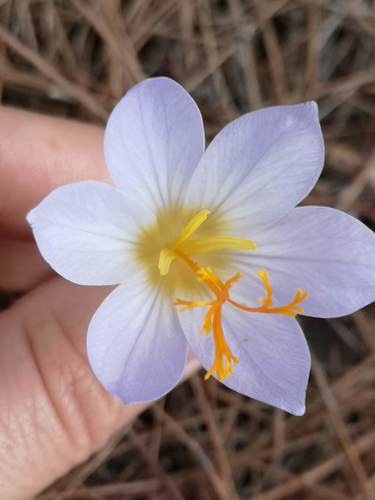
(c) wesleyr, some rights reserved (CC BY-NC), uploaded by wesleyr
iNaturalist· cc-by-nc
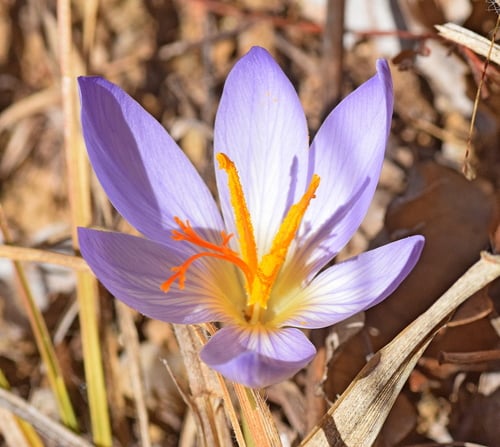
(c) tessabrunette, some rights reserved (CC BY-NC), uploaded by tessabrunette
Summary
Source: WikipediaLapeirousia anceps, also known as long kabong, is a species of geophyte in the genus Lapeirousia. It is native in the Cape provinces in South Africa.
Description
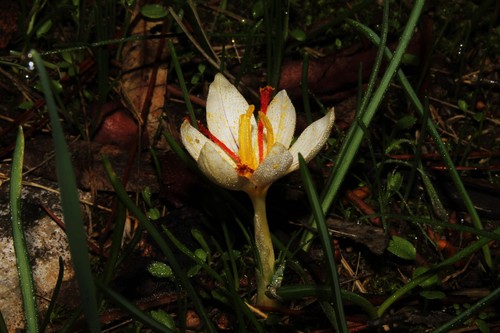
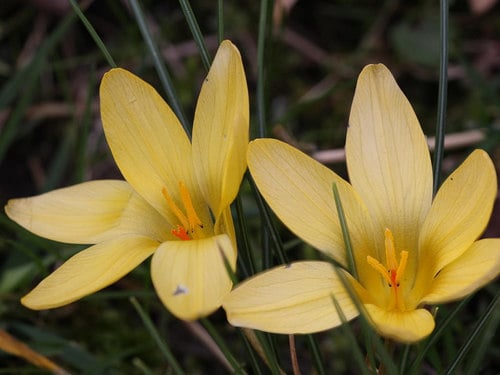
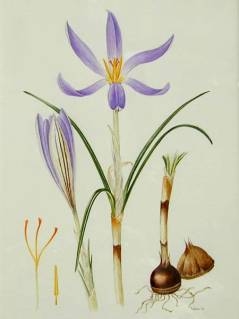
A corm or bulb plant. It grows 10-30 cm tall. The stem branches above the ground. The corm has a brown coating. The leaves are narrow and ribbed. There are several flowers in each spike. They are cream to pink with red marks.
Edible Uses
The corm or bulb is eaten as a snack and also cooked as a vegetable.
Traditional Uses
The corm or bulb is eaten as a snack and also cooked as a vegetable.
This uses section is brief — help expand it
Distribution
It is a subtropical plant. It grows in deep sands.
Where It Grows
Africa, South Africa, Southern Africa,
Synonyms
References (2)
- Ruiters-Welcome, A. K., 2019, Food plants of southern Africa. Ph.D. thesis. Univ. of Johannesburg p 67
- Welcome, A. K. & Van Wyk, B.-E., 2019, An inventory and analysis of the food plants of southern Africa. South African Journal of Botany 122 (2019) 136–179