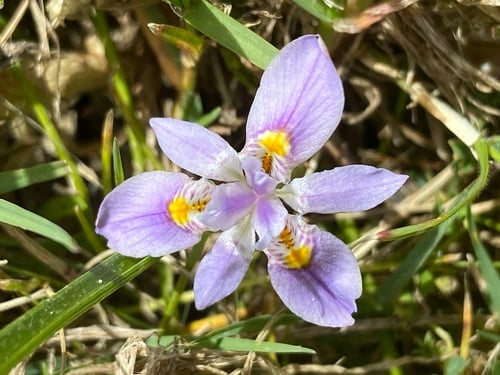
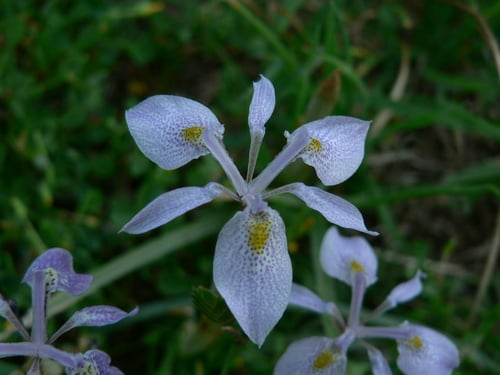
Lapeirousia littoralis
Baker
iNaturalist· cc-by-nc
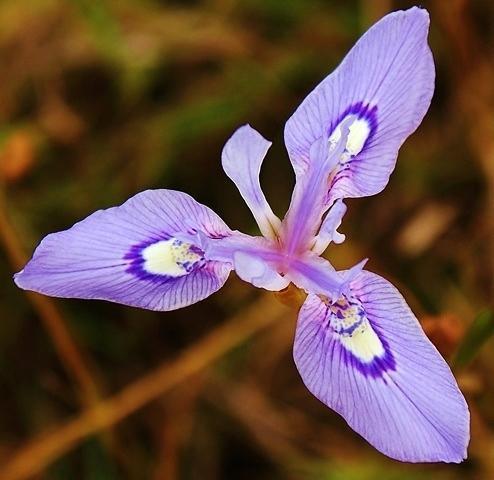
(c) Alan Horstmann, some rights reserved (CC BY-NC), uploaded by Alan Horstmann
iNaturalist· cc-by-nc
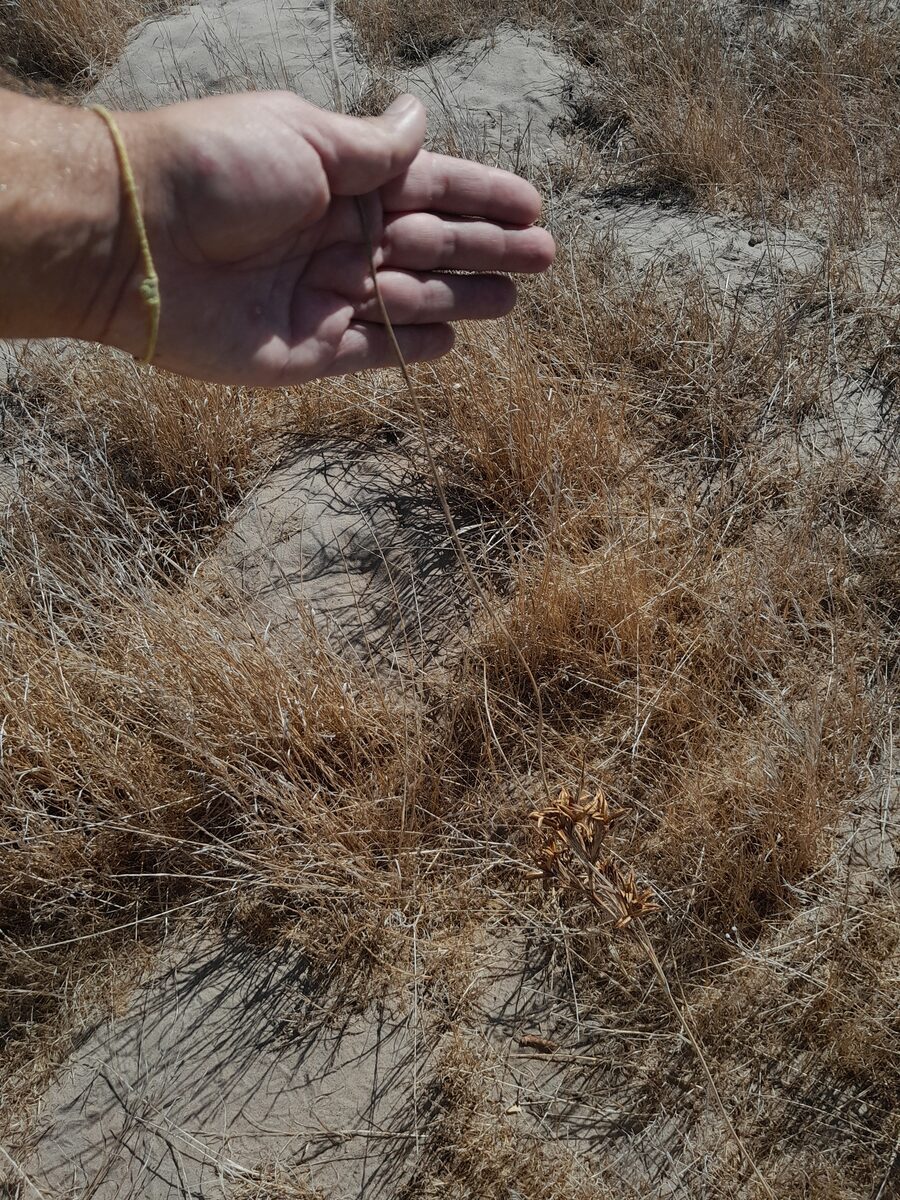
(c) Karel du Toit (+2782 4928291), some rights reserved (CC BY-NC)
iNaturalist· cc-by-nc
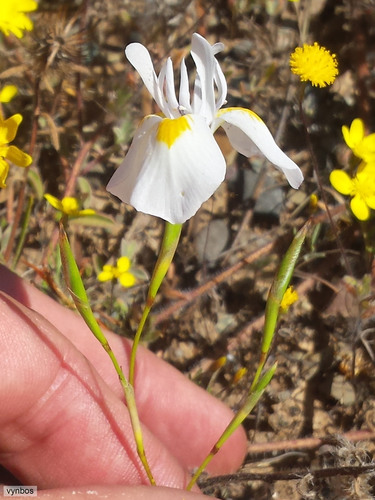
(c) Karel du Toit (+2782 4928291), some rights reserved (CC BY-NC)
Summary
Source: WikipediaLapeirousia littoralis is a perennial geophyte belonging to the genus Lapeirousia. The species is native to Angola, Botswana, Mozambique, Namibia, South Africa, Zambia and Zimbabwe. In South Africa, the plant occurs in northern Namaqualand and Bushmanland.
Description
A herb. It has a bulb or corm. The corm is bell shaped and 10-14 mm across at the base. The plant is erect and keeps growing from year to year. It grows 35 cm high. There are a few leaves. They are 2-4 mm wide and lightly corrugated. The flowers have a scent. They are yellowish-green. There are some subspecies.
Edible Uses
The corms or bulbs are roasted and eaten, and are valued as a food.
Traditional Uses
The corms or bulbs are roasted and eaten.
This uses section is brief — help expand it
Distribution
It is a subtropical plant. It grows in deep, well-drained soils. It grows between 50-1,100 m above sea level. It can grow in arid places.
Where It Grows
Africa, Angola, Botswana, Central Africa, East Africa, Mozambique, Namibia, South Africa, Southern Africa, Zambia, Zimbabwe,
Other Information
They are a valued food.
References (2)
- Royal Botanic Gardens, Kew (1999). Survey of Economic Plants for Arid and Semi-Arid Lands (SEPASAL) database. Published on the Internet; http://www.rbgkew.org.uk/ceb/sepasal/internet [Accessed 19th April 2011]
- World Checklist of Useful Plant Species 2020. Royal Botanic Gardens, Kew