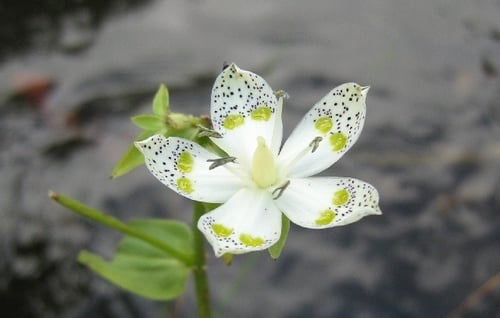
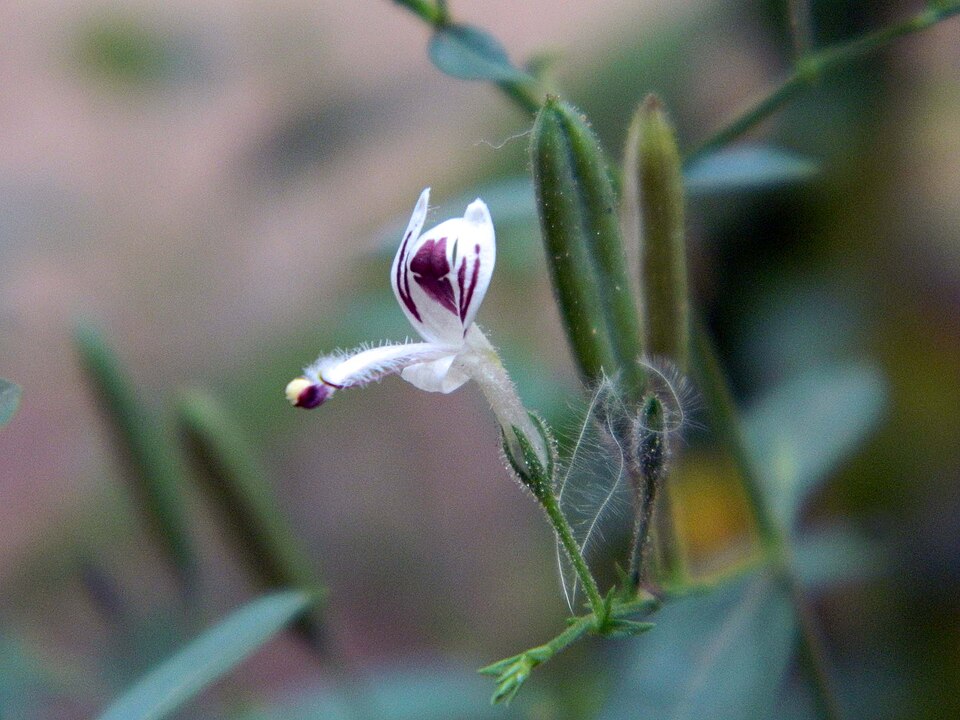
Gentiana thunbergii
(G. Don.) Griseb.
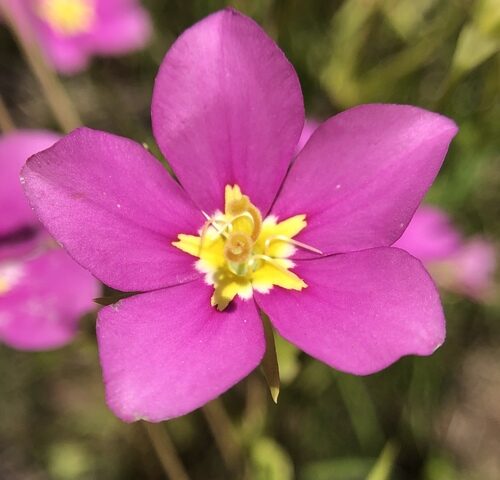
iNaturalist· cc-by-sa
(c) Alpsdake, some rights reserved (CC BY-SA)
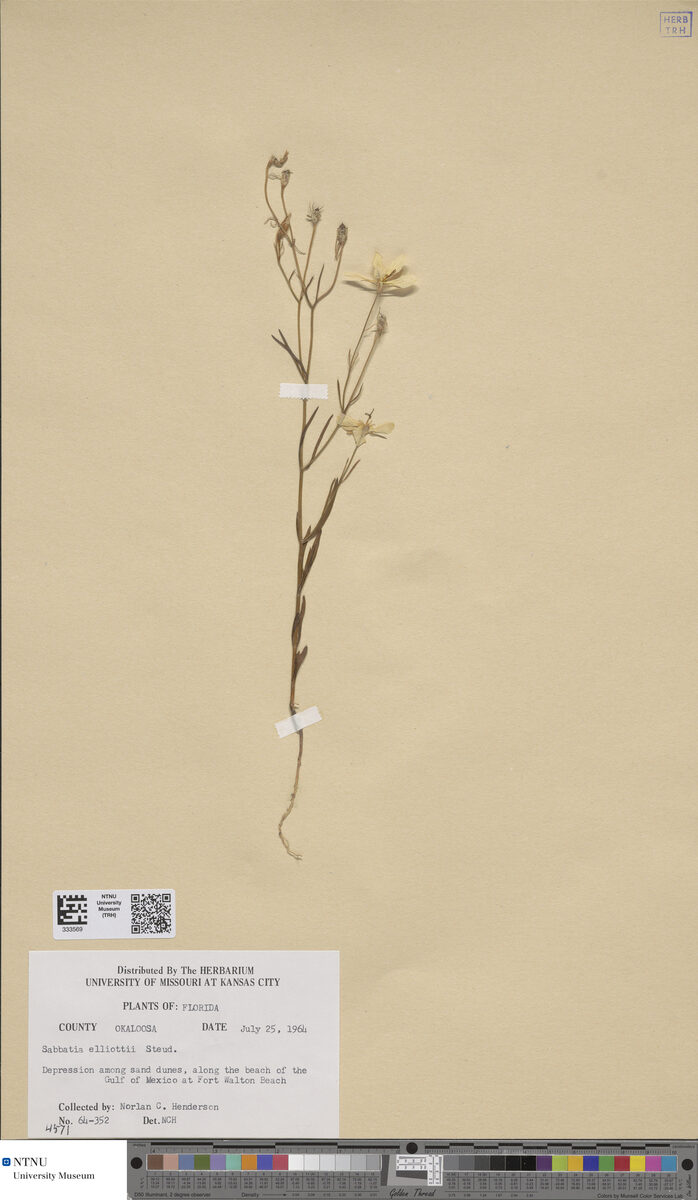
iNaturalist· cc-by-nc
(c) 空猫 T. N, some rights reserved (CC BY-NC)
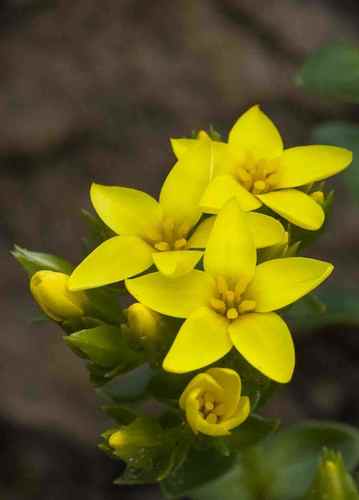
iNaturalist· cc-by-nc
(c) 空猫 T. N, some rights reserved (CC BY-NC)
Summary
Gentiana thunbergii is a compact annual or biennial reaching 20 cm tall. It produces hermaphroditic flowers from July to September, with seeds maturing from August to October. Bumblebees and butterflies pollinate the blooms. This species thrives in light sandy, medium loamy, or heavy clay soils with good drainage, tolerating mildly acidic to basic pH levels. It grows in semi-shade or full light and prefers consistently moist soil.
Description
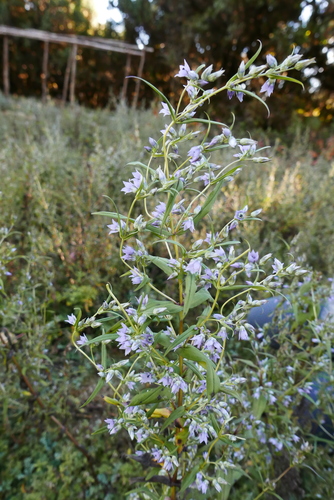
A herb. It grows for one or two years. The stems are erect. The leaves at the base wither early. There are 3-5 pairs of leaves on the stem. They are widely spaced and 6-8 mm long by 1-5 mm wide. There are only a few flowers.
Edible Uses
Young plants and flower buds can be eaten cooked.
Medicinal Uses
No medicinal use has been recorded for this species, though like most members of the genus the root likely contains bitter compounds and could serve as a general digestive tonic. See G. lutea for details of potential uses.
Distribution
It is a temperate plant. In northern China it grows between 1,300-1,800 m above sea level.
Where It Grows
Asia, China, Japan, Korea, Manchuria,
Propagation
Seed is best sown as soon as it is ripe in a light position in a cold frame. It can also be sown in late winter or early spring, though germination is best after a period of cold stratification; stored seed loses viability quickly, with older seed germinating slowly and erratically. Keeping seed at around 10°c for a few days after sowing allows it to absorb moisture. Following this with at least 5–6 weeks of temperatures between 0 and -5°c will usually produce reasonable germination. Clay pots are preferable to plastic, as plastic drains less freely and the resulting moisture encourages moss growth that can prevent germination. Sow seed on the surface or cover with only the lightest dressing of compost. Seed requires darkness to germinate, so cover pots with newspaper or keep them in the dark. Pot seedlings into individual pots as soon as they are large enough to handle, and grow on in light shade in the greenhouse for at least their first winter. Seedlings are slow-growing, taking 2–7 years to reach flowering size. Move plants to their permanent positions in late spring or early summer once large enough. Division in March is possible, though most members of this genus have either a single tap-root or a compact root system united in a single root head, making them generally unsuitable for division. Basal shoot cuttings can be taken in late spring.
Other Uses
None known.
Notes
There are about 400 Gentiana species.
References (1)
- Plants for a Future database, The Field, Penpol, Lostwithiel, Cornwall, PL22 0NG, UK. http://www.scs.leeds.ac.uk/pfaf/