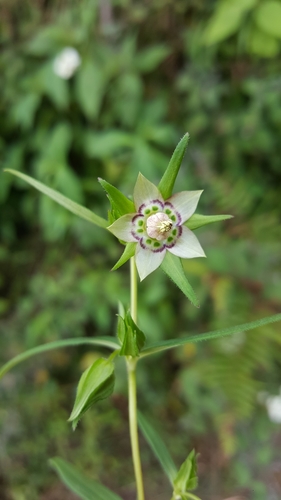
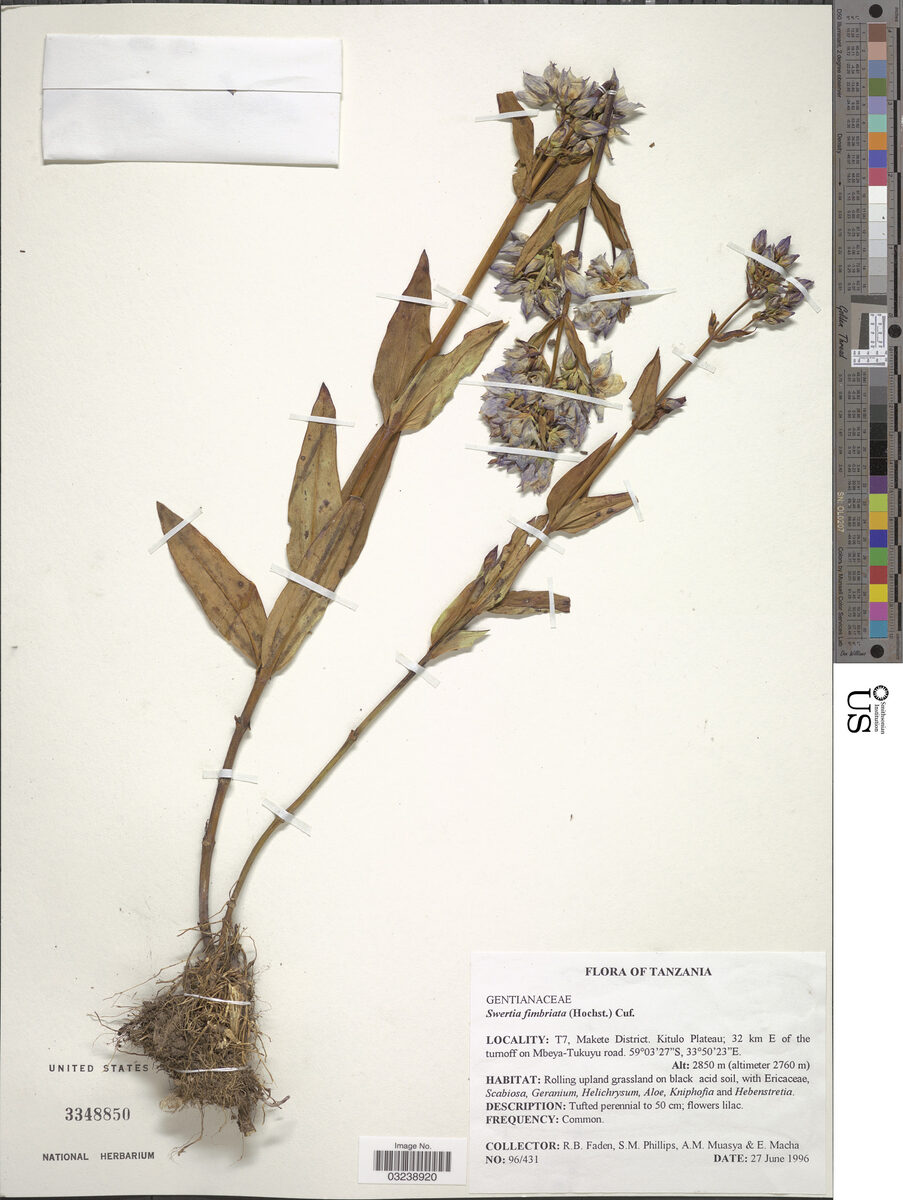
Gentiana cruciata
L.
Cross gentian
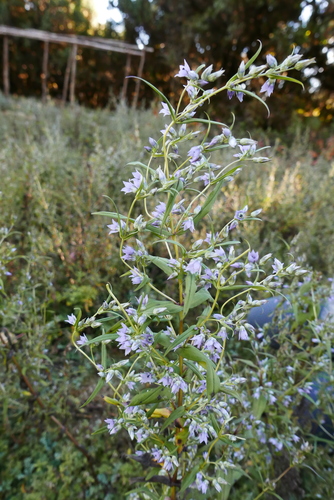
iNaturalist· cc-by-nc
(c) Felix Riegel, some rights reserved (CC BY-NC), uploaded by Felix Riegel
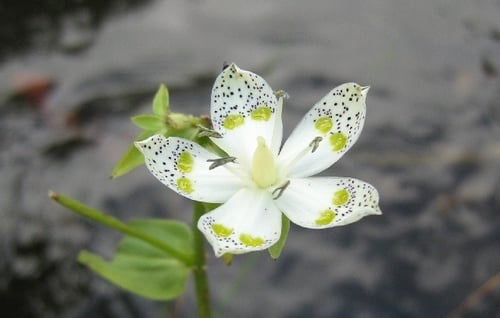
iNaturalist· cc-by-nc
(c) justinmynature, some rights reserved (CC BY-NC)
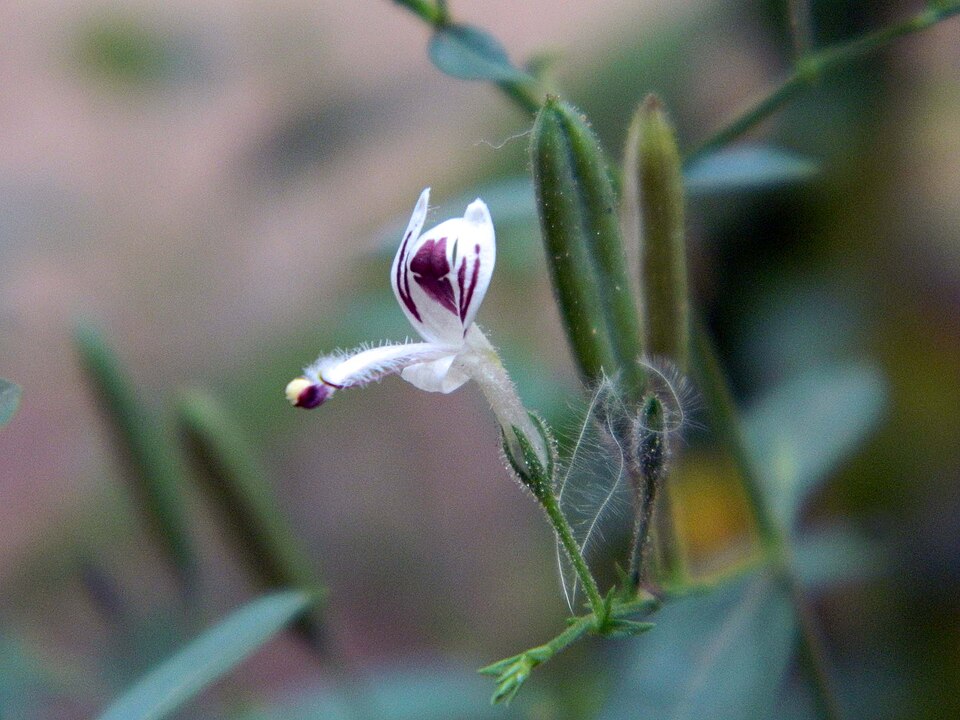
iNaturalist· cc-by-nc
(c) Matthieu Gauvain, some rights reserved (CC BY-NC), uploaded by Matthieu Gauvain
Summary
Source: WikipediaGentiana cruciata, the star gentian or cross gentian, is a herbaceous perennial flowering plant in the Gentianaceae family.
Description
A small herb. It grows 40 cm high and spreads 30 cm wide. The stems are short and leafy. They are upright. These develop from a ring of leaves at the base. These leaves are glossy and sword shaped. They are 10-20 cm long. The higher leaves are smaller. The flowers are long, narrow and bell shaped. They occur at the tips of branches and in the axils of leaves. They are blue to purple.
Edible Uses
The root is sometimes used in the manufacture of gentian bitters.
Traditional Uses
The roots are sometimes used in the manufacture of gentian bitters. They are used as a spice for tea.
This uses section is brief — help expand it
Medicinal Uses
The root is an appetizer, bitter tonic, digestive, febrifuge, and stomachic, and is used in the treatment of hoarseness and sore throats. It is a possible substitute for gentian root, though reports on this are not definitive. The following details the uses of G. lutea, the most widely used gentian root. Gentian root has a long history as a herbal bitter in the treatment of digestive disorders and is an ingredient in many proprietary medicines. It contains some of the most bitter compounds known and serves as a scientific benchmark for measuring bitterness. It is especially useful in states of exhaustion from chronic disease and in cases of debility, weakness of the digestive system, and poor appetite. It is one of the finest strengtheners of the human system, stimulating the liver, gall bladder, and digestive system, and combines well with a purgative to offset that treatment's debilitating effects. The root is anthelmintic, anti-inflammatory, antiseptic, bitter tonic, cholagogue, emmenagogue, febrifuge, refrigerant, and stomachic. Taken internally, it treats liver complaints, indigestion, gastric infections, and anorexia. It should not be prescribed for patients with gastric or duodenal ulcers. The root is harvested in autumn and dried for later use. Roots from plants that have not yet flowered are thought to be the richest in medicinal properties.
Distribution
It is a temperate plant. It suits hardiness zones 5-9.
Where It Grows
Asia, Australia, Europe, Hungary, Luxembourg, Slovakia, Slovenia, Tasmania,
Cultivation
In general, gentians require a moist well-drained soil in a sheltered position, a certain minimum of atmospheric humidity, high light intensity but a site where temperatures are not too high. They are therefore more difficult to grow in areas with hot summers and in such a region they appreciate some protection from the strongest sunlight. Most species will grow well in the rock garden. This species is easily grown in any good garden soil, preferring drier conditions than most other members of the genus. Plants are hardy to at least -20°c. A moisture loving plant, preferring to grow with full exposure to the sun but with plenty of underground moisture in the summer, it grows better in the north and west of Britain. Plants are intolerant of root disturbance.
Propagation
Seed is best sown as soon as it is ripe in a light position in a cold frame. It can also be sown in late winter or early spring, though germination is best after a period of cold stratification; stored seed loses viability quickly, with older seed germinating slowly and erratically. Keeping seed at around 10°c for a few days after sowing allows it to absorb moisture. Following this with at least 5–6 weeks of temperatures between 0 and -5°c will usually produce reasonable germination. Clay pots are preferable to plastic, as plastic drains less freely and the resulting moisture encourages moss growth that can prevent germination. Sow seed on the surface or cover with only the lightest dressing of compost. Seed requires darkness to germinate, so cover pots with newspaper or keep them in the dark. Pot seedlings into individual pots as soon as they are large enough to handle, and grow on in light shade in the greenhouse for at least their first winter. Seedlings are slow-growing, taking 2–7 years to reach flowering size. Move plants to their permanent positions in late spring or early summer once large enough. Divide established plants in March. Basal shoot cuttings can be taken in late spring.
Other Uses
None known.
Notes
There are about 400 Gentiana species.
Also Known As
Epeburjan, Eepfu, Horecska, Kosorugyoker, Navzkrižnolistni svišč bratinski, Terlec, Terlie, Trlie
References (7)
- Brouk, B., 1975, Plants Consumed by Man. Academic Press, London. p 367
- Cundall, P., (ed.), 2004, Gardening Australia: flora: the gardener's bible. ABC Books. p 630
- Denes, A., et al, 2012, Wild plants used for food by Hungarian ethnic groups living in the Carpathian Basin. Acta Societatis Botanicorum Poloniae 81 (4): 381-396
- Facciola, S., 1998, Cornucopia 2: a Source Book of Edible Plants. Kampong Publications, p 117
- Hibbert, M., 2002, The Aussie Plant Finder 2002, Florilegium. p 109
Show all 7 references Hide references
- Luczaj, L., 2012, Ethnobotanical review of wild edible plants of Slovakia. Acta Societatis Botanicorum Poloniae 81(4):245-255
- Sp. Pl. 1:231. 1753