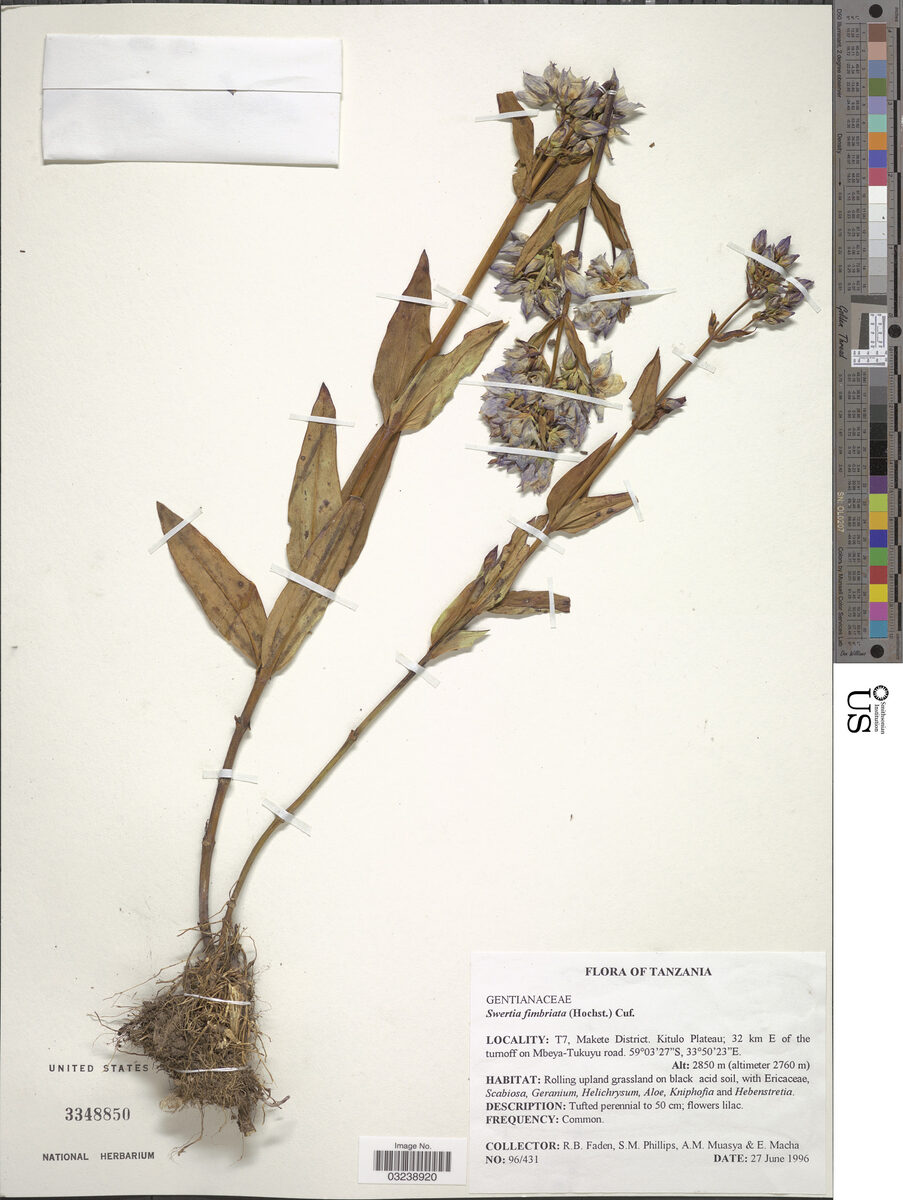
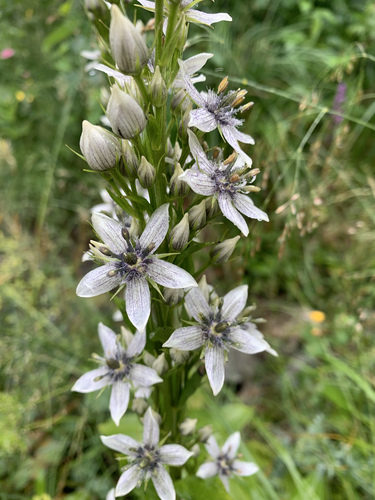
Fagraea ceilanica
Thunb.
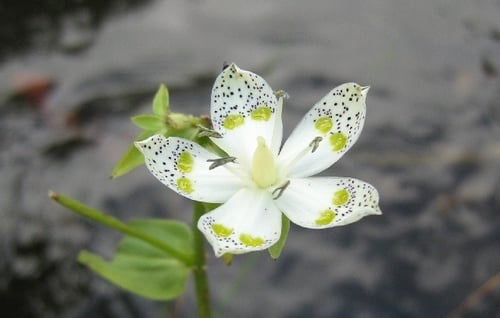
iNaturalist· cc-by-nc-sa
(c) Tony Rodd, some rights reserved (CC BY-NC-SA)
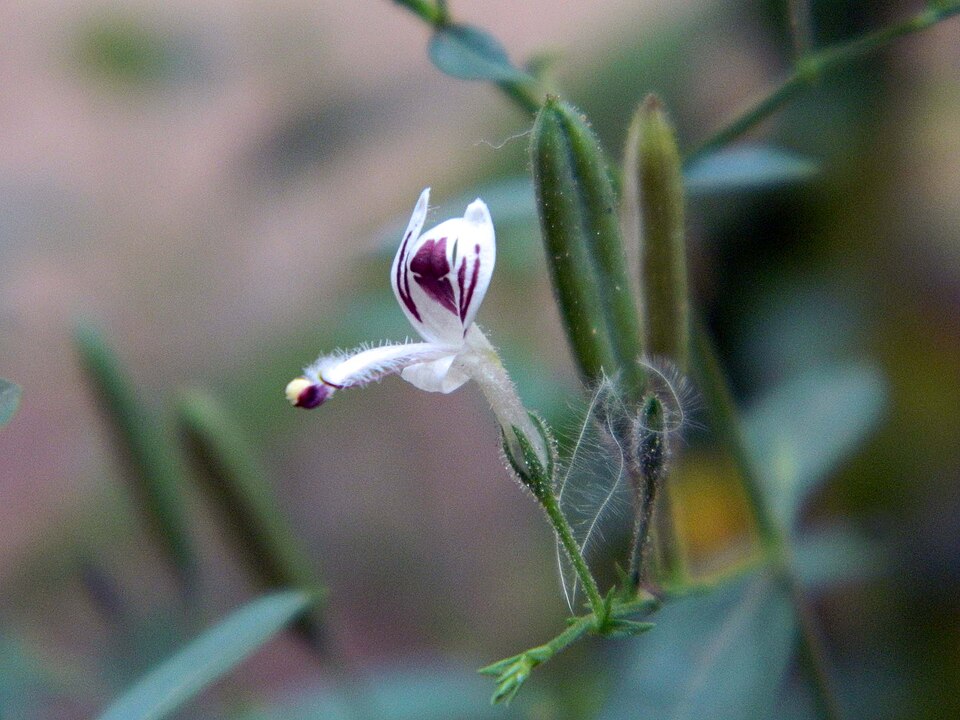
iNaturalist· cc-by-nc
(c) Jean-Philippe BASUYAUX, some rights reserved (CC BY-NC), uploaded by Jean-Philippe BASUYAUX
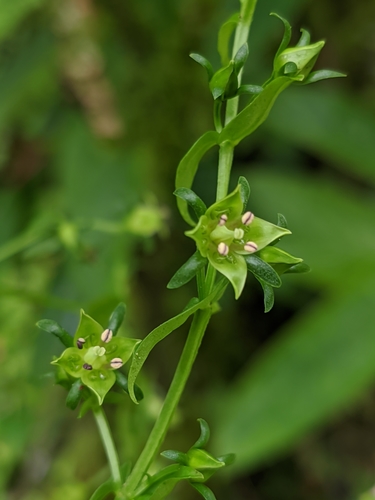
iNaturalist· cc-by-nc
(c) Jean-Philippe BASUYAUX, some rights reserved (CC BY-NC), uploaded by Jean-Philippe BASUYAUX
Summary
Source: WikipediaFagraea ceilanica is a species of small tree in the family Gentianaceae growing to heights of up to 10 metres. Typical habitat is seasonal tropical forest, but it is also grown as an ornamental tree in many places in India, Indo-China and Malesia. It has been described as "epiphytic" or a "strangler" when young, since like strangling figs (Ficus) its seeds germinate in cracks and branch joints of living tree trunks from where the young plants' roots grow around the trunk down to the ground, using the tree as support but without killing it. Occasionally flowering Fagraea ceilanica bushes are seen high up on tree trunks, remaining there as epiphytes. It is also recorded as a lithophyte growing on rocks and rock faces.
Description
A shrub or tree. It can grow 15 m tall. The branches are stout with prominent leaf scars. The leaves are narrowly oval and 5-25 cm long by 2-10 cm wide. The flowers are usually single at the ends of branches. The fruit are oval berries 3-5 cm long by 2-4 cm wide.
Edible Uses
The fruit are sometimes pickled and eaten.
Traditional Uses
The fruit are sometimes pickled and eaten.
This uses section is brief — help expand it
Distribution
It is a tropical plant.
Where It Grows
Asia, China, Indonesia, SE Asia,
Other Uses
The latex found under the skin of the fruits is often used as an adhesive. The tree is occasionally harvested for its wood in New Guinea. We have no more information on the wood for this species. However, the following is a general description of the wood for members of this genus:- The heartwood is yellowish-brown to light brown, darkening upon exposure to a deep golden- or orange-brown; it is not clearly demarcated from the generally lighter coloured sapwood. The texture is variable, from fine to somewhat coarse; the grain is straight to irregular; the wood is lustrous; it has a distinct aromatic and somewhat acid odour when freshly cut, but this does not persist upon seasoning. The heartwood is reported to be very durable in ground contact and very resistant to termite attack; resistance to marine borer attack is questionable. It is reported to season slowly, otherwise it dries with little or no degrade. In Fiji quartersawing is suggested to minimize surface checking. Considering the high density, the wood is easy to saw and machine; it takes a good finish; some species are rather abrasive, however, and dull cutting edges; it is a good carving timber and turns well. The wood is used for purposes such as heavy construction, flooring, turnery, carvings, printing dies, specialty items (such as rulers, T-squares, straight edges), railroad crossties, boat construction.
Synonyms
Also Known As
Kolaki, Nosu, Tamosu
References (1)
- Nurfadilah, S., et al, 2017, Species richness, conservation status, and potential uses of plants in Segara Anakan Area of Sempu Island, East Java, Indonesia. BIODIVERSITAS. Volume 18, Number 4