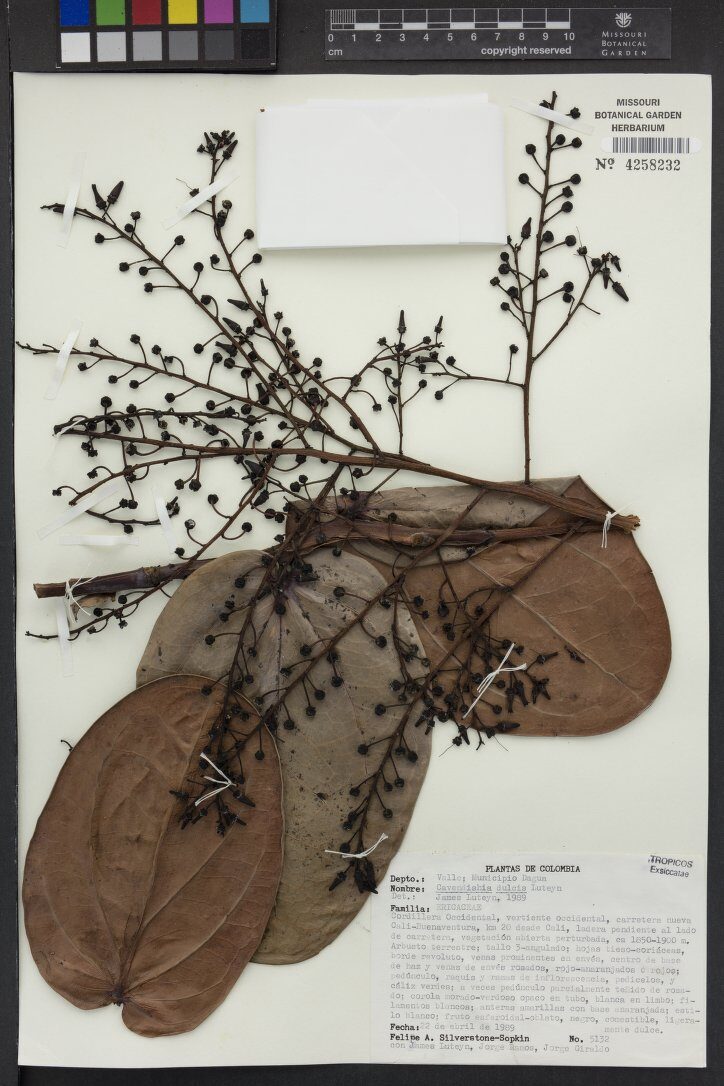
Gaylussacia ursina
(M. A. Curtis) Torr. & A. Gray
Bear huckleberry
iNaturalist· cc0
no rights reserved
iNaturalist· cc0
no rights reserved
iNaturalist· cc-by-nc
(c) Jared Gorrell, some rights reserved (CC BY-NC)
Summary
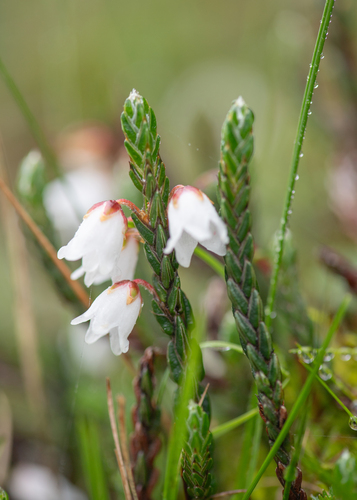
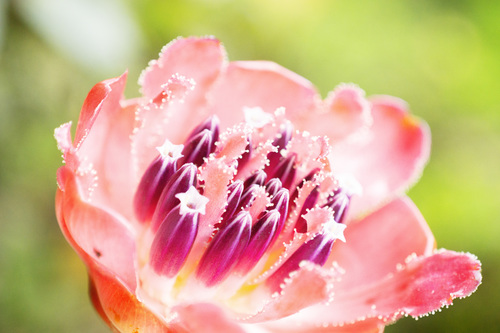
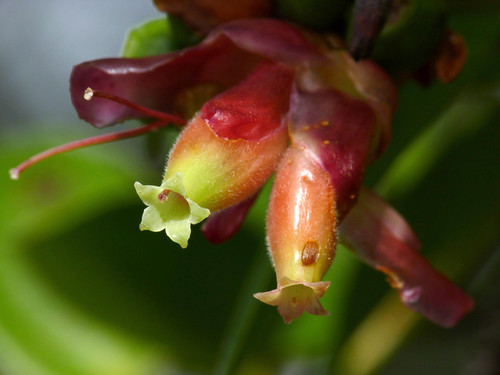
Source: WikipediaGaylussacia ursina, the bear huckleberry, is a plant species native to the southern Appalachians (Georgia, Tennessee, and the Carolinas). Gaylussacia ursina is a shrub up to 200 cm (80 inches) tall, sometimes forming huge colonies. Flowers are in groups of 4–6, greenish-white. Fruits are black, sweet and juicy.
Description
A deciduous shrub. It grows 1.8 m high. The leaves are small and dark green. The flowers contain both sexes but may be partly self infertile. The fruit are black.
Edible Uses
The fruit can be eaten raw or cooked, though it is considered insipid.
Traditional Uses
The fruit can be eaten.
This uses section is brief — help expand it
Medicinal Uses
None known.
Distribution
It is a temperate plant. The grow in acid soils and do not tolerate alkaline soils. They do best in moist, well-drained soils. They cannot tolerate waterlogging.
Where It Grows
North America*, USA,
Cultivation
Plants can be grown from seed. Plants can be grown from cuttings.
Propagation
Seed is best sown in autumn in a cold frame. Stored seed requires 1 month of warm stratification followed by 2 months cold. Once large enough to handle, prick seedlings out into individual pots of lime-free compost and grow on in light shade in a greenhouse or cold frame for at least their first winter. Plant out into permanent positions in late spring or early summer when at least 15cm tall. Cuttings of half-ripe wood can be taken in July/August in a frame. Layering and division in spring are also suitable methods.
Other Uses
None known.
Notes
There are about 42 Gaylussacia species in tropical America.
References (6)
- A. Gray, Chlor. bor. amer. 49, t. 10. 1846
- John, L., & Stevenson, V., 1979, The Complete Book of Fruit. Angus & Robertson p 286
- Kermath, B. M., et al, 2014, Food Plants in the Americas: A survey of the domesticated, cultivated and wild plants used for Human food in North, Central and South America and the Caribbean. On line draft. p 386
- Lyle, S., 2006, Discovering fruit and nuts. Land Links. p 222
- Moerman, D. F., 2010, Native American Ethnobotany. Timber Press. p 245
Show all 6 references Hide references
- Plants for a Future database, The Field, Penpol, Lostwithiel, Cornwall, PL22 0NG, UK. http://www.scs.leeds.ac.uk/pfaf/