Gaultheria mucronata
(L. f.) Hook. & Arn.
Prickly heath
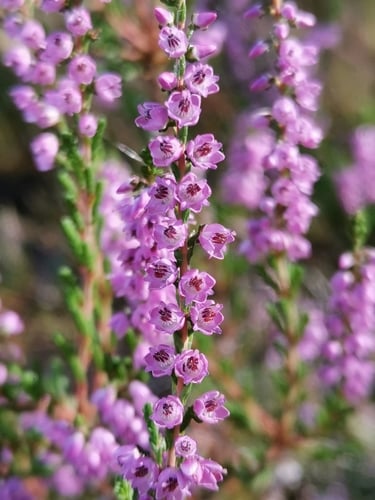
iNaturalist· cc-by-nc-sa
(c) George Shepherd, some rights reserved (CC BY-NC-SA)
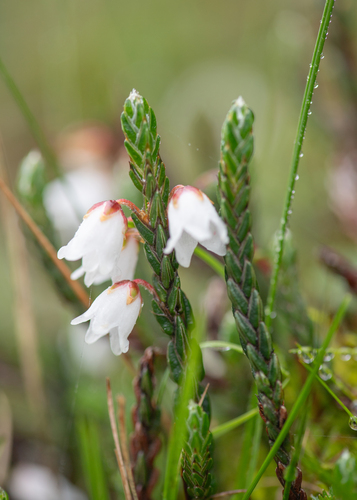
iNaturalist· cc-by-nc
(c) Philippe RABAUTE, some rights reserved (CC BY-NC)
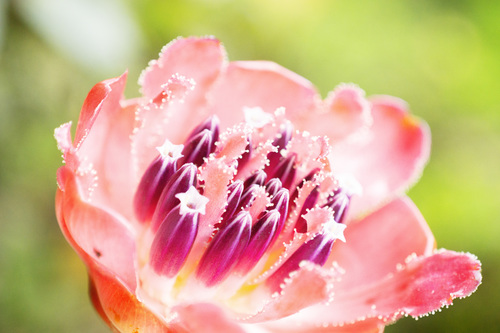
iNaturalist· cc-by-nc
(c) sjurdur, some rights reserved (CC BY-NC)
Summary
Source: WikipediaGaultheria mucronata (syn. Pernettya mucronata; also known as prickly heath, chaura, or murtillo) is a species of flowering plant in the family Ericaceae, native to southern Argentina and Chile. In volcanic areas of southern Chile Gaultheria mucronata is one of the dominant plant species above the tree line.
Description
A shrub. It grows 60-120 cm high. The stems are wiry. They form a thicket. It develops suckers. The leaves are glossy and deep green. They are 12 mm long and have spiny tips. The flowers are white and urn-shaped but often tinged with pink. The flowers are in clusters and hang down. Male and female flowers are usually borne on separate plants. The fruit are marble-like. The fruit can be white, pink, purplish or red. They are 6-9 mm across.
Edible Uses
The fruit can be eaten raw or cooked. The lilac-coloured berries may not look particularly appetising and have a somewhat polystyrene-like texture, but some forms produce fruit that is juicy, almost melts in the mouth, and has a very pleasant, slightly sweet flavour that makes an excellent dessert fruit. Each fruit is up to 12mm in diameter.
Medicinal Uses
None known.
Distribution
It is a temperate plant. It is frost hardy. In Argentina it grows from sea level to 1,100 m above sea level. It suits hardiness zones 6-10. Arboretum Tasmania.
Where It Grows
Argentina, Australia, Chile, South America, Tasmania,
Propagation
Seed requires cold stratification — pre-chill for 4–10 weeks, then surface sow in lime-free compost in a shady part of the greenhouse, keeping the compost moist. Germination usually occurs within 1–2 months at 20°C, but seedlings are prone to damping off. Water carefully, ensure ample ventilation, and consider watering with a garlic infusion to help prevent damping off. Prick out seedlings into individual pots at about 25mm tall and grow on in light shade in the greenhouse for at least the first winter. Plant out in late spring or early summer. Seedlings are susceptible to spring frosts and may benefit from protection during their first spring or two outdoors. Cuttings of half-ripe wood, 3–6cm long, taken July/August in a shaded frame; roots form in late summer or spring, with a good success rate. Divide in spring just before new growth begins. To aid division, 'drop' plants 12 months beforehand by digging them up and replanting them deeper so that branches are buried and can form roots — this works best in sandy soil. Pot up divisions and grow on in a lightly shaded position in the greenhouse until established, then plant out in summer. Layering in September/October takes about 12 months.
Other Uses
The plant can be used to form a low hedge and makes a good ground cover for sunny positions, forming dense thickets. Plants are best spaced about 60cm apart each way and can be cut back in spring if growth becomes too lanky and open.
Notes
There are about 170 Gaultheria species. It contains antioxidants.
Nutrition
| Part | Moisture | kJ | kcal | Protein | Vit A | Vit C | Iron | Zinc |
|---|---|---|---|---|---|---|---|---|
| Fruit | 77.4 | — | — | 0.9 | — | — | — | — |
Synonyms
Also Known As
Chaura, Chauran, Chique, Shal, Sheukk
References (15)
- Chamorro, M. F., & Ladio, A., 2020, Native and exotic plants with edible fleshy fruits utilized in Patagonia and their role as sources of local functional foods. BMC Complementary Medicine and Therapies. 20:155
- Cordero, S. E., Abello, L. A., & Galvez, F. L., 2017, Plantas silvestres comestibles y medicinales de Chile y otras partes del mundo. CORMA p 69
- Cundall, P., (ed.), 2004, Gardening Australia: flora: the gardener's bible. ABC Books. p 626
- Etherington, K., & Imwold, D., (Eds), 2001, Botanica's Trees & Shrubs. The illustrated A-Z of over 8500 trees and shrubs. Random House, Australia. p 343
- Hibbert, M., 2002, The Aussie Plant Finder 2002, Florilegium. p 108
Show all 15 references Hide references
- J. Bot. (Hooker) 1:281. 1834
- Joyce, D., 1998, The Garden Plant Selector. Ryland, Peters and Small. p 142
- Leon-Lobos, P., et al, 2022, Patterns of Traditional and Modern Uses of Wild Edible Native Plants of Chile: Challenges and Future Perspectives. Plants (Basel) v 11 (6) Table S1
- Plants for a Future database, The Field, Penpol, Lostwithiel, Cornwall, PL22 0NG, UK. http://www.scs.leeds.ac.uk/pfaf/
- Rapoport, E., H., et al, 2003, Plantas Nativas Comestibles de la Patagonia Andina Argentino/Chilena Parte 1, Department de Ecologi Centro Regional Universitario Briloche p 34
- Reis, S. V. and Lipp, F. L., 1982, New Plant Sources for Drugs and Foods from the New York Botanical Garden herbarium. Harvard. p 228 (As Pernettya mucronata)
- Ryan, S., 2008, Dicksonia. Rare Plants Manual. Hyland House. p 28
- Velasquez, P. & Montenegro, G., 2017, Chilean Endemic/Native Plant Resources as Functional and Superfoods. Chp. 6 in Superfood and Functional Food - An Overview of Their Processing and Utilization
- www.chileflora.com
- Young, J., (Ed.), 2001, Botanica's Pocket Trees and Shrubs. Random House. p 407