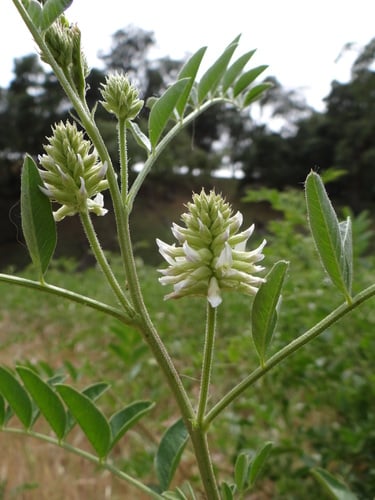
Mimosa scabrella
Benth.
Roughish scabrella
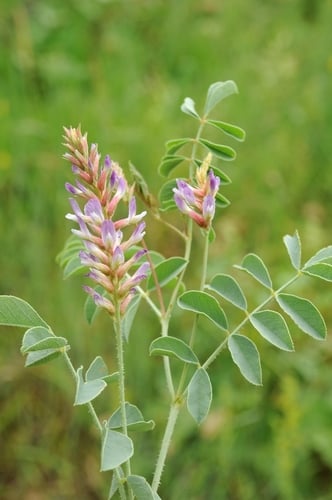
iNaturalist· cc-by-sa
(c) Acabashi, some rights reserved (CC BY-SA)
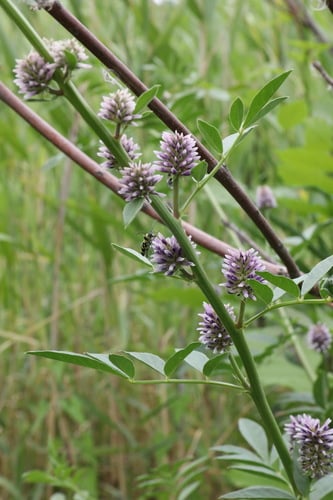
iNaturalist· cc-by-sa
(c) Acabashi, some rights reserved (CC BY-SA)
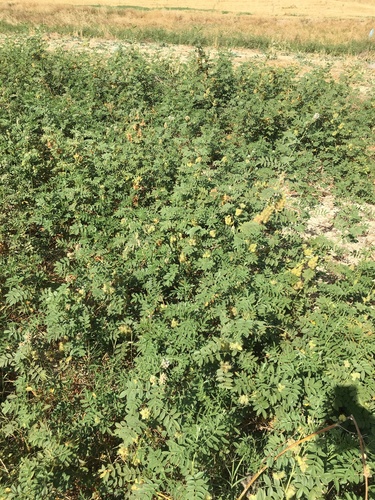
iNaturalist· cc-by-sa
(c) Acabashi, some rights reserved (CC BY-SA)
Summary
Source: WikipediaMimosa scabrella is a tree in the family Fabaceae. It is very fast-growing and it can reach a height of 15 m (49 ft) tall in only 3 years. Its trunk is about 0.1–0.5 m (3.9–19.7 in) in diameter. It has yellow flowers.
Description
A tree. It grows 15 m tall. The trunk is 10-50 cm across. The leaves are twice divided.
This description is brief — help expand it
Edible Uses
None known.
Medicinal Uses
None known.
Distribution
It is a tropical plant.
Where It Grows
Brazil, Haiti, South America, West Indies,
Cultivation
Native to the cool, subtropical plains of southeastern Brazil, the plant it is very robust and can grow in both warmer and drier areas. It is not recommended, however, for areas with mean annual temperatures higher than 23°c. It is found in areas where the mean annual rainfall ranges from 600 - 3,500mm and is spread through the year, though it is also able to tolerate dry periods of up to 4 months. Requires a sunny position. Succeeds in most soils and conditions. Prefers a freely-draining soil, being intolerant of waterlogged, compacted or severely degraded soils. Tolerant of strongly acid soils with a pH as low as 4.8, and also those soils with high aluminium content. Grows best in a position sheltered from strong winds. A fast-growing species, easily reaching a height of 3.5 metres within 2 years from seed.Fourteen month old trees up to 5 metres tall have been recorded; in 2 years they have reached 8 - 9 metres; and some 3 year old specimens have reached 15 metres. Plantations have been harvested on rotations as short as 3 years, though fuelwood plantations in Brazil are more commonly planted at spacings of 2 x 2 or 3 x 3 m and harvested on 3 - 7 year rotations. This species does not coppice well, though it can be pollarded or pruned effectively. This species has a symbiotic relationship with certain soil bacteria; these bacteria form nodules on the roots and fix atmospheric nitrogen. Some of this nitrogen is utilized by the growing plant but some can also be used by other plants growing nearby.
Propagation
Seeds have a hard seedcoat and, unless sown fresh while still moist, benefit from scarification before sowing. Pour a small amount of nearly boiling water over the seeds without cooking them, then soak in warm water for 12–24 hours until swollen. If they have not swollen, carefully nick the seedcoat without damaging the embryo and soak for a further 12 hours. Sow in a partially shaded position in individual containers or a nursery seedbed. Germination rates are high, with sprouting occurring within 20–30 days. When seedbed-sown seedlings reach 4–5cm, pot them into individual containers. Seedlings grow very quickly and should be ready to plant out 3–4 months later.
Other Uses
A natural pioneer species within its native range, it grows quickly and fixes atmospheric nitrogen, making it suitable for mixed plantings in native reforestation projects. The tree provides shade in highland coffee plantations in Cameroon and Central America. It sheds large quantities of nitrogen-rich leaves that decompose rapidly into rich humus, and its attractive flowers make it a useful live fence. The heartwood is greyish-rose in colour, the sapwood pinkish, with a medium texture and straight grain. The wood is hard, moderately heavy, low in durability under adverse conditions, and moderately rough without lustre. Though hard to cut, it is used in house construction, indoor finishing, and mainly for veneers and boxes. It makes high-quality fuel, though its charcoal produces a large amount of ash.
Synonyms
Also Known As
Abararaatinga, Abracatinga, Anizeiro, Bracatinga, Maracatinga, Paracaatinga
References (2)
- Grandtner, M. M. & Chevrette, J., 2013, Dictionary of Trees, Volume 2: South America: Nomenclature, Taxonomy and Ecology. Academic Press p 416
- World Checklist of Useful Plant Species 2020. Royal Botanic Gardens, Kew