Garcinia venulosa
(Blanco) Choisy
Gatasan
wikimedia· pd
Berthe Hoola van Nooten (1817-1892), Pieter De Pannemaeker (lithographer) (via Wikimedia Commons)
wikimedia· cc0
Mx. Granger (via Wikimedia Commons)
wikimedia· pd
User:Chiswick Chap (via Wikimedia Commons)
Description
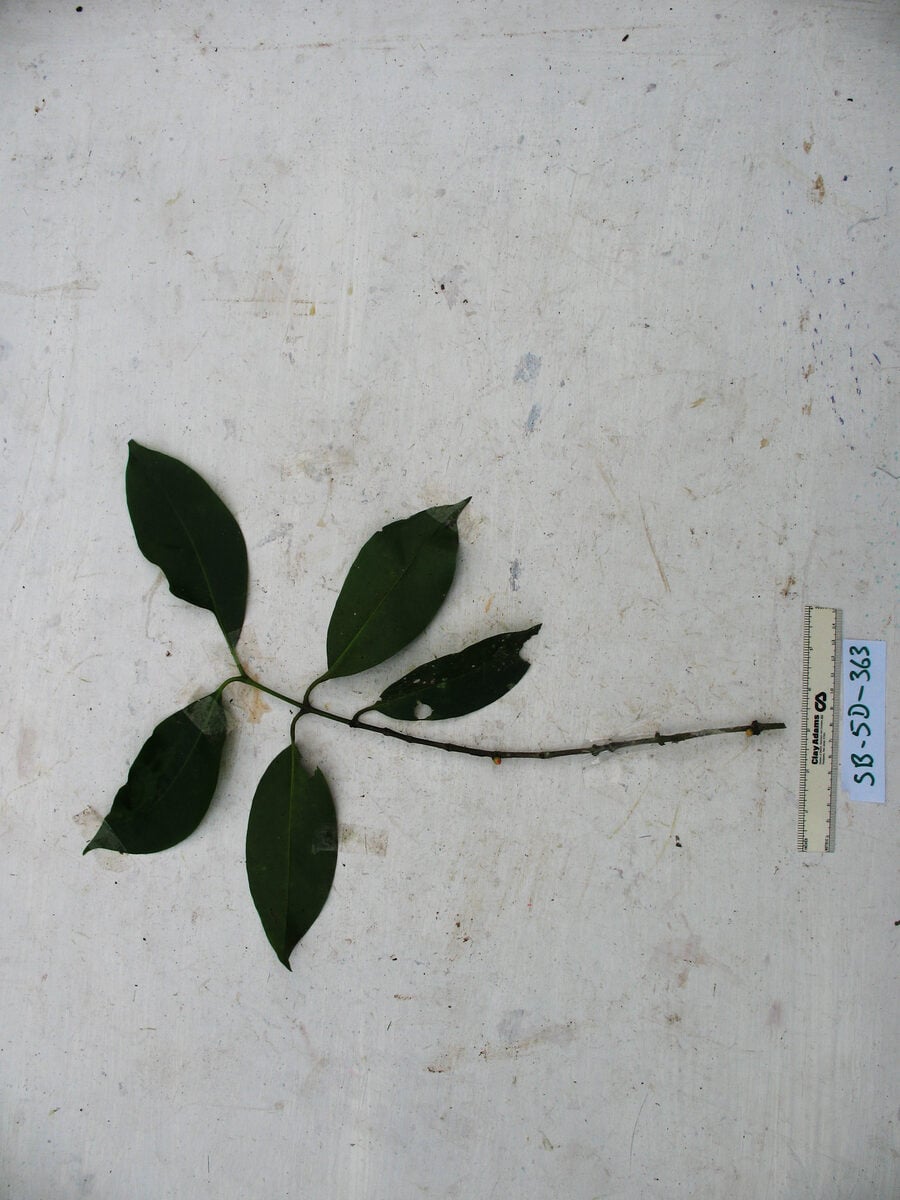
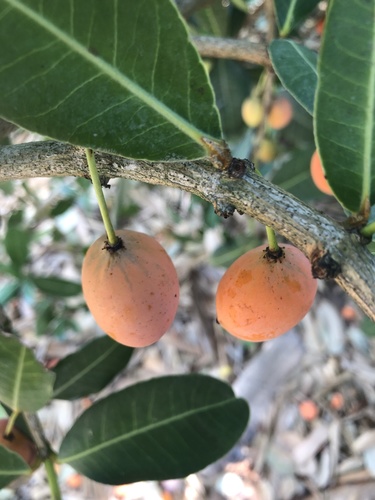
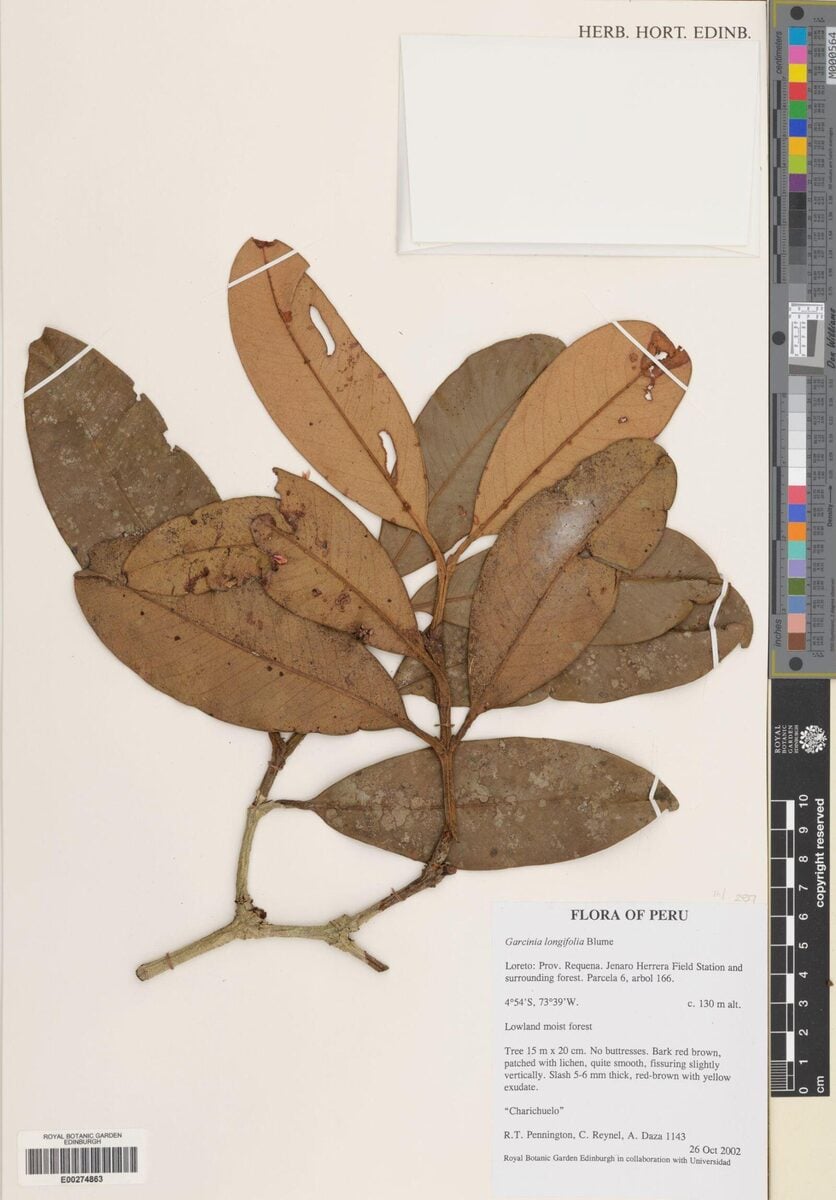
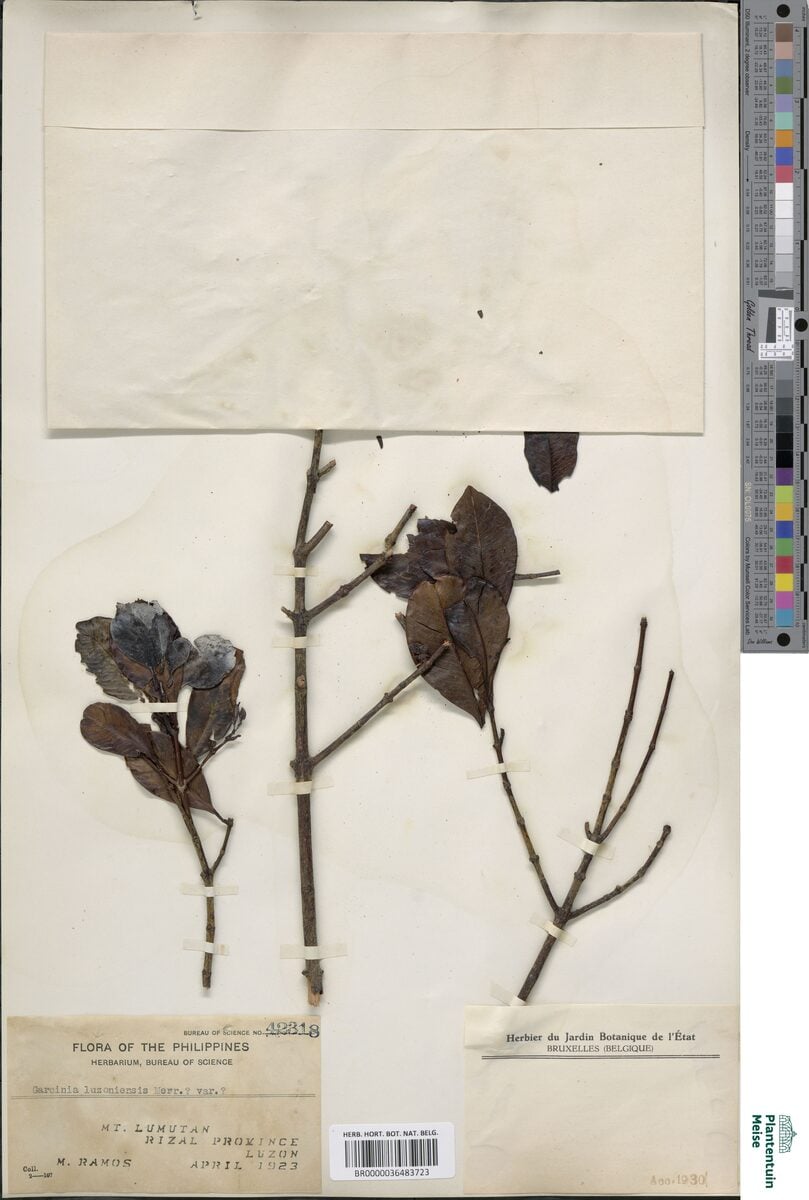
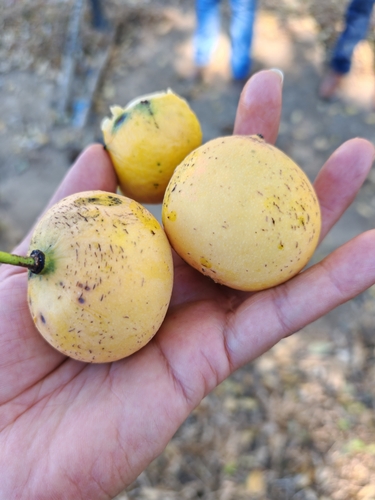
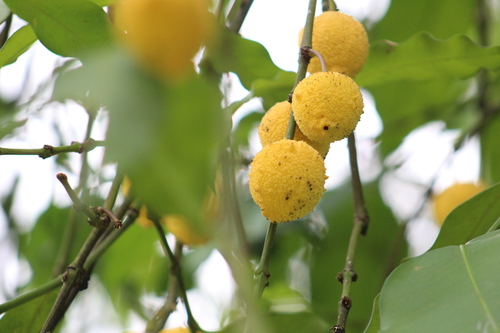
A medium sized tree. It grows 15 m tall. The trunk is 40 cm across. The leaves are opposite, leathery and smooth. The flowers are fairly small and borne in rather rounded clusters. The fruit are about 4 to 6 cm across. They are a little flattened. At the base of the fruit there are 4 persistent sepals. The edible portion is surrounded with a hard rind and contains several flat seeds.
Edible Uses
Without fumigation or irradiation to kill the Asian fruit fly, fresh mangosteens were illegal to import into the United States until 2007. Following export from its natural growing regions in Southeast Asia (particularly Thailand), the fresh fruit is available seasonally in some local markets in North America such as those of Chinatowns. Mangosteens are available fresh, canned and frozen in Western countries. The fruit may be served as a dessert or made into jams. In Vietnam, the ripe fruit is also used as a salad ingredient. Upon arrival in the US in 2007, fresh mangosteens sold at up to $130/kg ($60/lb) in specialty produce stores in New York City, but wider availability and somewhat lower prices have become common in the United States and Canada. Despite efforts described above to grow mangosteen in the Western Hemisphere, nearly the entire supply is imported from Thailand. Before ripening, the mangosteen shell is fibrous and firm but becomes soft and easy to pry open when the fruit ripens. To open a mangosteen, the shell can be scored with a knife, pried gently along the score with the thumbs until it cracks, and then pulled apart to reveal the fruit. Alternatively, the mangosteen can be opened without a knife by squeezing the shell from the bottom until it breaks, allowing the shell to be removed and the fruit eaten while intact with the stem. In Southeast Asian countries, the mangosteen is usually served with the bottom part of the shell intact. Occasionally, during peeling of ripe fruits, the purple exocarp juice may stain skin or fabric.
Traditional Uses
The fruit are eaten raw and with fish.
This uses section is brief — help expand it
Medicinal Uses
Various parts of the plant have a history of use in traditional medicine, mostly in Southeast Asia; it may have been used to treat skin infections, wounds, dysentery, urinary tract infections, and gastrointestinal complaints, although there is no high-quality clinical evidence for any of these effects. Dried fruits are shipped to Singapore to be processed for medical uses which may include dysentery, skin disorders, and various other minor diseases in several countries across Asia. There is no reliable evidence that mangosteen juice, puree, bark or extracts is effective as a treatment for human diseases.
Distribution
A tropical plant. They are very common and widely distributed throughout the Philippines in primary forest at low altitudes.
Where It Grows
Asia, Pacific, Philippines*, SE Asia,
Cultivation
A plant of the lowland tropics.
Propagation
Seed - we have no specific information on this species, but the seed of most members of the genus can be slow to germinate, even if sown fresh, often taking 6 months or more.
Other Uses
Used as a rootstock for the mangosteen (Garcinia mangostana).
Notes
There are about 300 Garcinia species.
Synonyms
Also Known As
Bago-bago, Bylabil
References (8)
- Brown, W.H., 1920, Wild Food Plants of the Philippines. Bureau of Forestry Bulletin No. 21 Manila. p 122
- Descr. Guttif. Inde 414. 1849
- Facciola, S., 1998, Cornucopia 2: a Source Book of Edible Plants. Kampong Publications, p 79
- Ferns, Useful Tropical Plants
- Monsalud, M.R., Tongacan, A.L., Lopez, F.R., & Lagrimas, M.Q., 1966, Edible Wild Plants in Philippine Forests. Philippine Journal of Science. p 478
Show all 8 references Hide references
- PROSEA (Plant Resources of South East Asia) handbook, Volume 2, 1991, Edible fruits and nut. p 177
- Tanaka,
- World Checklist of Useful Plant Species 2020. Royal Botanic Gardens, Kew