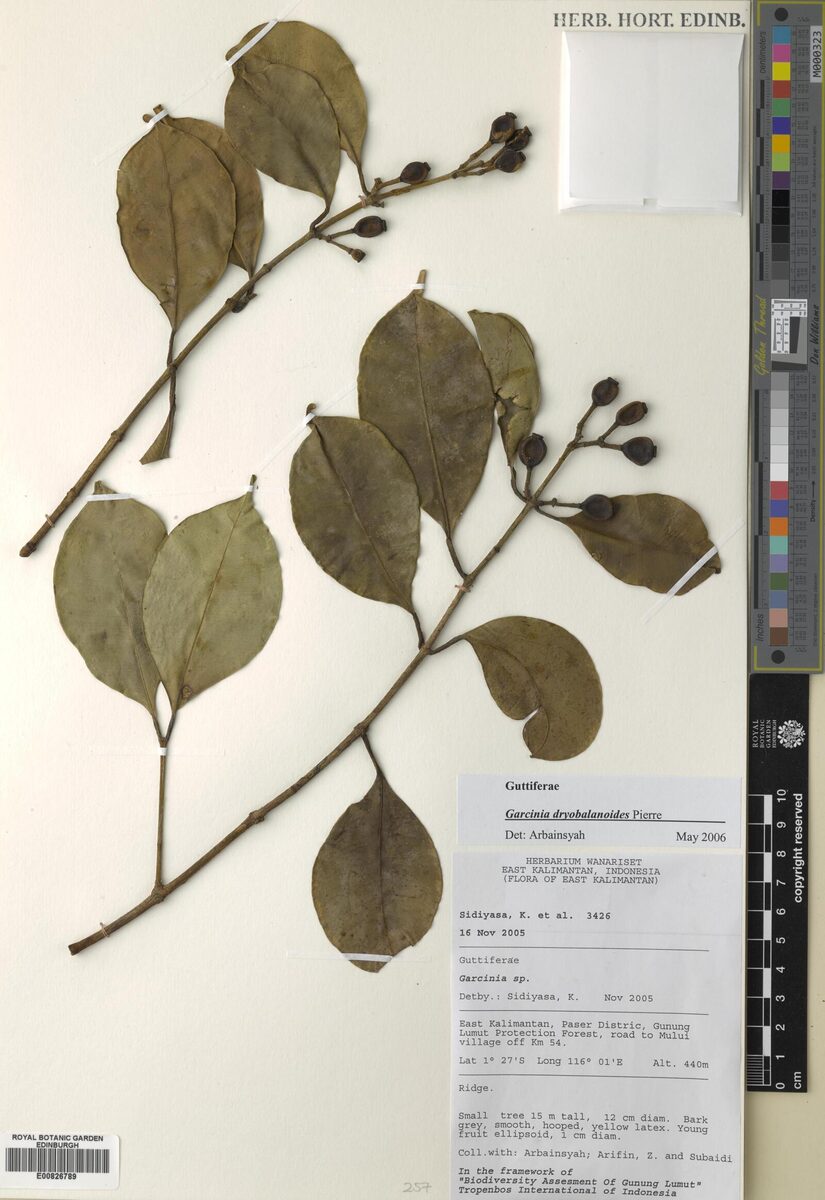
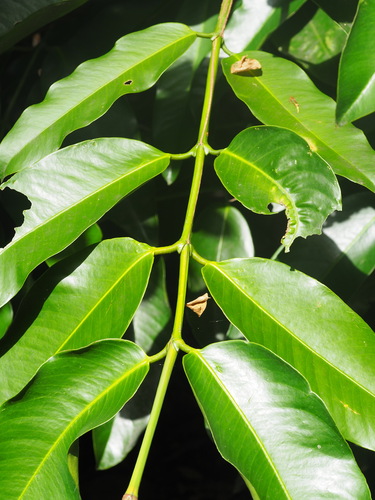
Garcinia afzelii
Engl.
Bitter-kola
wikimedia· cc0
Wikimedia Commons - Beddome, R. H.; Bentham, George
wikimedia· cc0
Wikimedia Commons - Beddome, R. H.; Bentham, George
Summary
Source: WikipediaGarcinia afzelii is a species of small to medium tree in the family Clusiaceae. It is found in Cameroon, Central African Republic, Gabon and Guinea. It is sometimes called "bitter kola", but this name properly refers to G. kola. It is endemic to tropical forests of West Africa.
Description
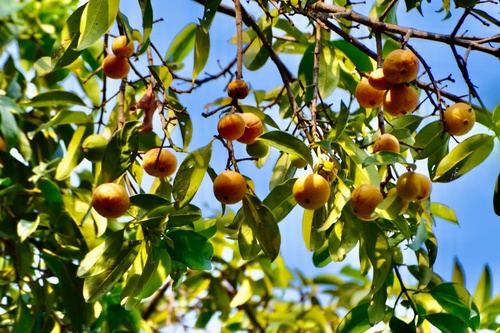
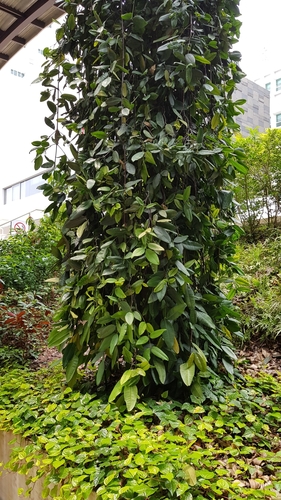
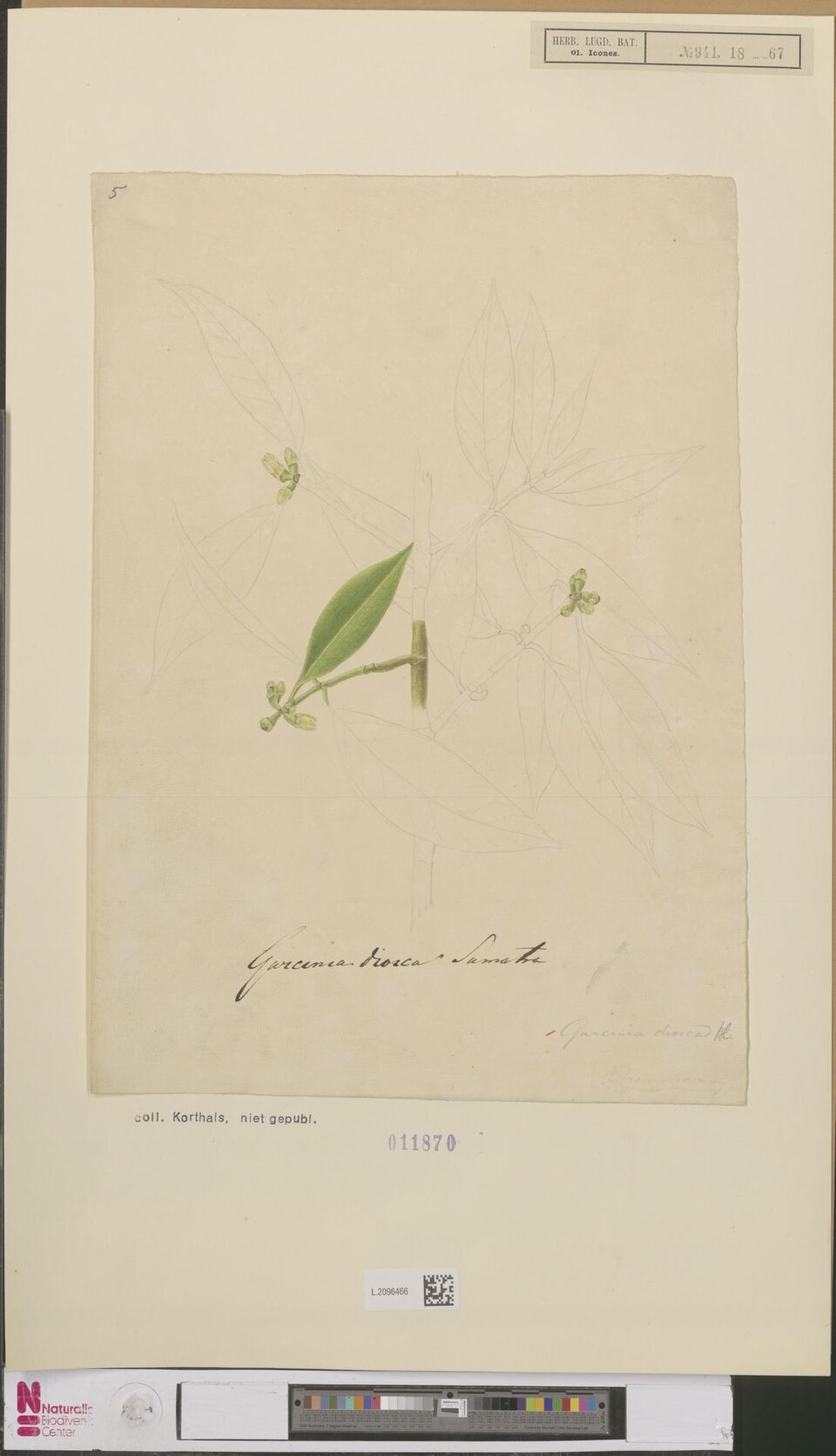
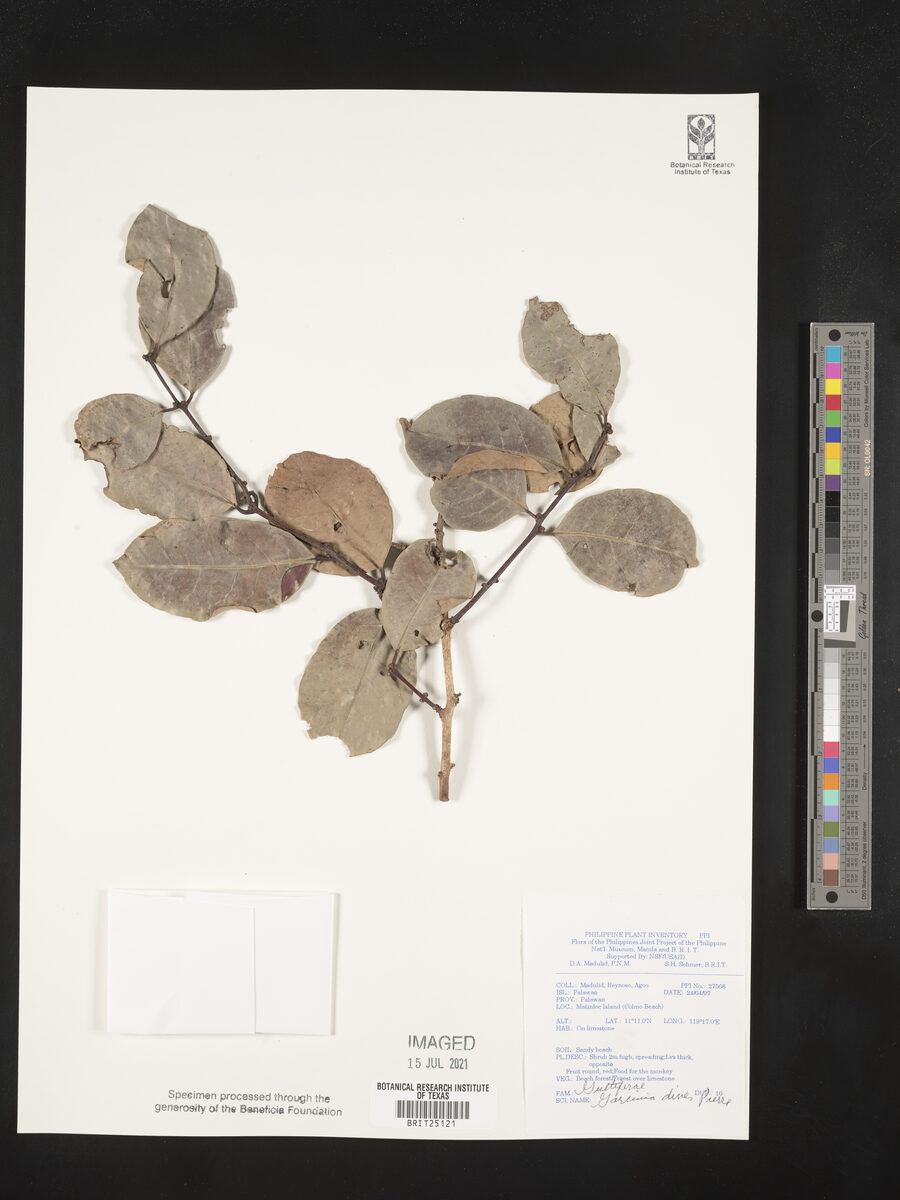
A medium sized tree. It grows 12 m high. The trunk is short and the crown is rounded. The bark is warted and strips off easily. The leaves are 6-13 cm long by 2.5-6 cm wide. They taper to the tip. They are wedge shaped at the base and leathery. The flowers are greenish to yellow. They can be 2.5 cm across. The stalks are 6 mm long. The fruit are brownish-yellow. They are almost round and 2.5 cm across. They contain 2-4 seeds.
Edible Uses
The fruits are brownish-yellow, to 2 .5 cm in diameter and contain 2 - 4 seeds embedded in an acidulous pulp which is edible and much relished.
Medicinal Uses
Traphia wine in which root-bark has been soaked is drunk in Sierra Leone as an aphrodisiac. The seeds are acknowledged to be highly erogenic so that they ‘should not be eaten when brother and sister are left alone. The bark is chewed in Sierra Leone as a treatment for cough and stomach-ache, or a decoction of it is taken. Phytochemical tests have shown the presence of a high amount of flavonic substances in the chew-sticks and of tannins and flavones in root- and stem-barks, also of gamboge which is haemostatic, antiseptic and vulnerary.
Distribution
It is a tropical plant. It grows on the edge of the evergreen forest in damp places in West Africa.
Where It Grows
Africa, Cameroon, Central Africa, Central African Republic, CAR, Côte d'Ivoire, Equatorial-Guinea, Ghana, Guinea, Guinée, Ivory Coast, Liberia, Nigeria, Sierra Leone, Togo, West Africa,
Cultivation
A dioecious species, both male and female forms usually need to be grown if fruit and seed are required. At least some dioecious Garcinia species, however, are able to produce fertile seed even in the absence of fertilization (asexual reproduction). Such seeds would be expected to be genetically identical to the parent
Other Uses
The tree is much exploited as a source of chewsticks, which are used for cleaning the teeth and strengthening the gums. The roots particularly, but sometimes the twigs, are used as chew-sticks. They are commonly cut up into pencil-lengths and traded in markets in Sierra Leone, Ivory Coast and Ghana. Use of them is held to strengthen the gums and to prevent dental caries. Phytochemical tests have shown the presence of a high amount of flavonic substances in the chew-sticks and of tannins and flavones in root- and stem-barks, also of gamboge which is haemostatic, antiseptic and vulnerary. The sap-wood is whitish, turning to yellow in the air; heart-wood is pinkish to deep yellow or olive-brown at the centre. The wood is hard, heavy, fine-grained and takes a good polish. It is suitable for carpentry and general construction-work though liable to fungal attack. It is resistant to teredo worm and so is used for wharves and bridges. In Sierra Leone it furnishes a pole-crop from forest reserves.
Production
In Central African Republic fruit have been recorded in May.
Notes
There are about 200-300 Garcinia species. They are tropical. Also put in the family Hypericaceae.
Synonyms
Also Known As
Kar, Kollopello, Kouru, Nsokodua, Okuta, Ta-sagbe
References (9)
- Abbiw, D.K., 1990, Useful Plants of Ghana. West African uses of wild and cultivated plants. Intermediate Technology Publications and the Royal Botanic Gardens, Kew. p 46
- Atato, A., et al, 2010, Diversity of Edible Wild Fruit Tree Species of Togo. Global Science Books.
- Burkill, H. M., 1985, The useful plants of west tropical Africa, Vol. 2. Kew.
- INFOODSUpdatedFGU-list.xls
- Jardin, C., 1970, List of Foods Used In Africa, FAO Nutrition Information Document Series No 2.p 138
Show all 9 references Hide references
- Keay, R.W.J., 1989, Trees of Nigeria. Clarendon Press, Oxford. p 110
- Vivien, J., & Faure, J.J., 1996, Fruitiers Sauvages d'Afrique. Especes du Cameroun. CTA p 121
- Wiersema, J. H. & Leon, B., 2013, World Economic Plants. A Standard Reference CRC Press. 2nd Ed. p 316
- World Checklist of Useful Plant Species 2020. Royal Botanic Gardens, Kew