Fuchsia procumbens
R. Cunn. ex A. Cunn.
Trailing fuchsia
iNaturalist· cc-by-sa
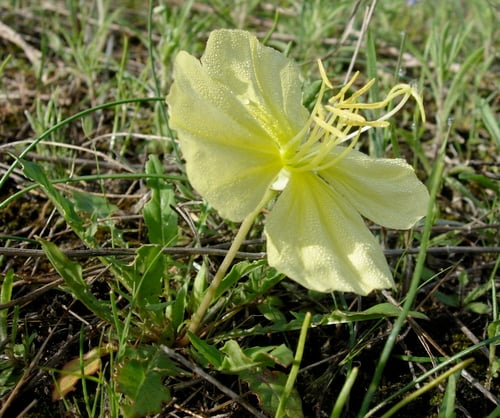
(c) Colin Meurk, some rights reserved (CC BY-SA), uploaded by Colin Meurk
iNaturalist· cc0
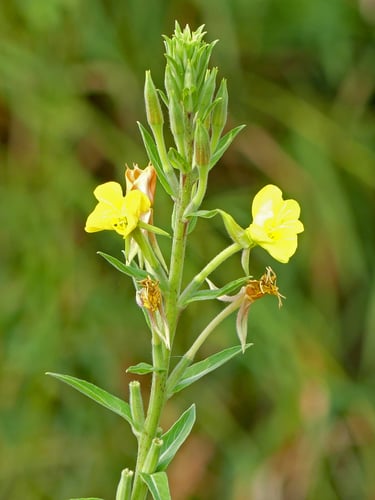
no rights reserved, uploaded by Peter de Lange
iNaturalist· cc0
no rights reserved, uploaded by Peter de Lange
Summary
Source: WikipediaFuchsia procumbens is a prostrate shrub that is endemic to coastal areas of the North Island of New Zealand. Common names include creeping fuchsia, climbing fuchsia or trailing fuchsia.
Description
A deciduous or evergreen trailing plant. It may spread 1 m wide. It is mostly only 15 cm high. The leaves are small and heart shaped. The flowers are erect. They are small. They have green to pale orange tubes. There are green to purple tipped sepals and no petals. The fruit are plum like and red.
Edible Uses
The fruit is eaten raw, though it is only marginally edible and not particularly pleasant. The berries are approximately 18mm in diameter.
Medicinal Uses
None known.
Distribution
It is a warm temperate plant. It grows naturally in New Zealand on rocks and sand above high water mark in coastal areas. It is frost hardy. It suits hardiness zones 8-10.
Where It Grows
Australia, Europe, New Zealand*, Slovenia, Tasmania,
Cultivation
Succeeds in any fertile well-drained circum-neutral soil. Succeeds in a good loam if sand and leafmold are added. Plants flower better when grown in a poor sandy soil. This species is only hardy in the mildest parts of Britain, tolerating temperatures down to about -3°c, It grows and fruits well in Cornwall. The young growth in spring, even on mature plants, is frost-tender and so it is best to grow the plants in a position sheltered from the early morning sun. The plant produces long trailing stems and grows well in hanging baskets. The wild plant can be dioecoius or monoecious, but the form cultivated in Britain is self-fertile. Plants seem to be immune to the predations of rabbits. A good bee plant.
Propagation
Sow seed as soon as it is ripe, though spring sowing is also possible. Surface sow in pots in a warm greenhouse, keeping the compost consistently moist. Germination should occur within 6 weeks. Prick seedlings out into individual pots once large enough to handle and grow on under glass for at least the first winter. Plant out in late spring or early summer after the last expected frosts. Inter-nodal greenwood cuttings 5–8cm long taken in May/June root quickly and easily with a high success rate. Overwinter rooted cuttings under glass in their first year before planting out. Inter-nodal half-ripe wood cuttings taken in July/August are equally straightforward — treat as for greenwood cuttings. Cuttings generally root successfully at any point during the growing season.
Other Uses
The plant forms a dense carpet of growth and works well as ground cover when spaced approximately 60cm apart each way.
Notes
There are about 100 Fuchsia species.
Synonyms
Also Known As
Polegla fuksija.
References (11)
- Ann. Nat. Hist. 3:31. 1839
- Cundall, P., (ed.), 2004, Gardening Australia: flora: the gardener's bible. ABC Books. p 616
- Etherington, K., & Imwold, D., (Eds), 2001, Botanica's Trees & Shrubs. The illustrated A-Z of over 8500 trees and shrubs. Random House, Australia. p 338
- Hibbert, M., 2002, The Aussie Plant Finder 2002, Florilegium. p 106
- Joyce, D., 1998, The Garden Plant Selector. Ryland, Peters and Small. p 141
Show all 11 references Hide references
- Lavelle, M., 2008, Wild Flowers of Australia and Oceania. Southwater. p 71
- Lord, E.E., & Willis, J.H., 1999, Shrubs and Trees for Australian gardens. Lothian. p 331
- Matthews, J., 1987, New Zealand Native Plants for your Garden. Pacific Publishers, p 50
- Morley, B. & Everard, B., 1970, Wild Flowers of the World. Ebury press. Plate 133
- Plants for a Future database, The Field, Penpol, Lostwithiel, Cornwall, PL22 0NG, UK. http://www.scs.leeds.ac.uk/pfaf/
- Skinner, G. & Brown, C., 1981, Simply Living. A gatherer's guide to New Zealand's fields, forests and shores. Reed. p 39