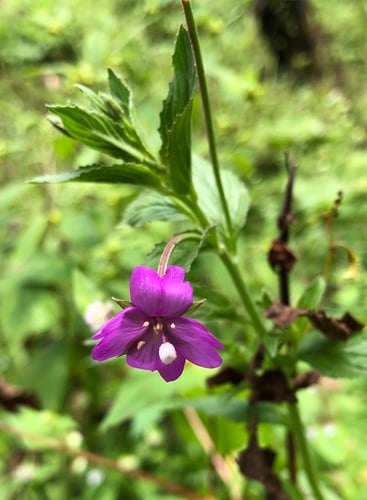
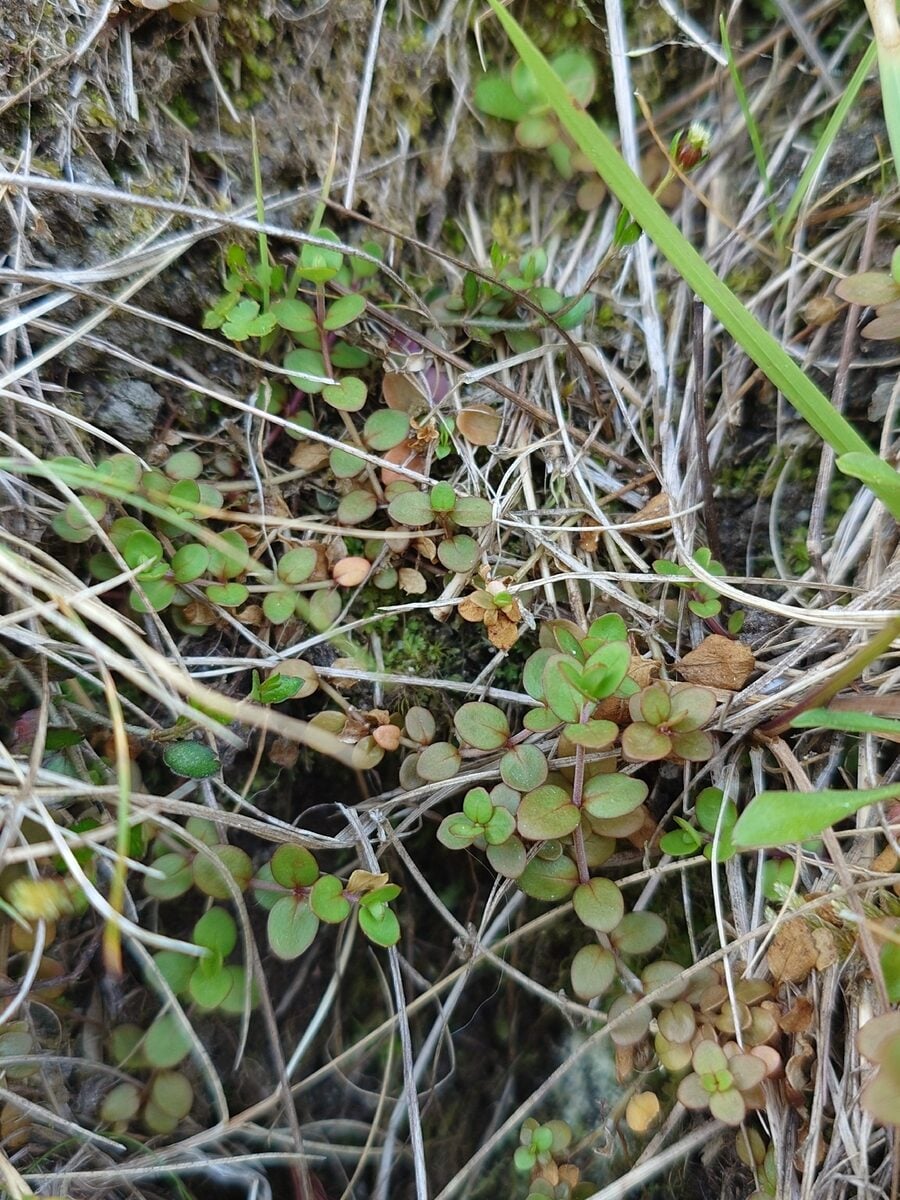
Fuchsia arborescens
Sims
Lilac fuschia
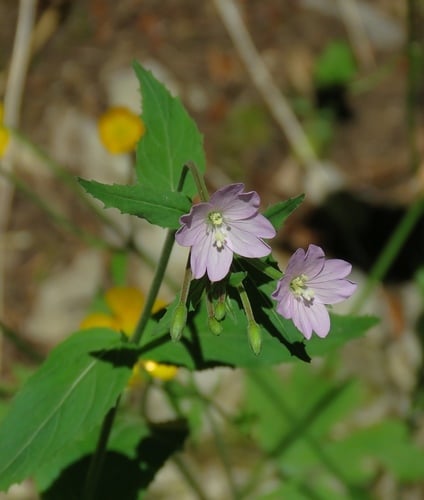
iNaturalist· cc-by
(c) anniesannuals, some rights reserved (CC BY)
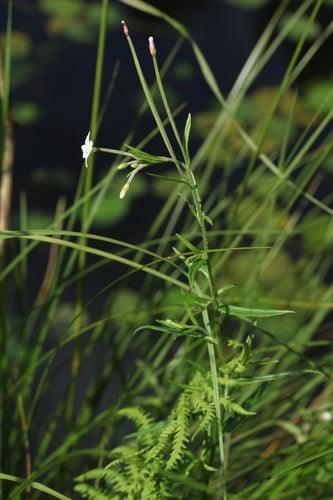
iNaturalist· cc-by-nc-sa
(c) Emmanuel Guevara Lazcano, some rights reserved (CC BY-NC-SA)
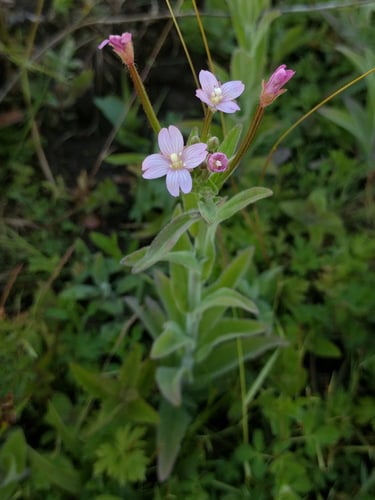
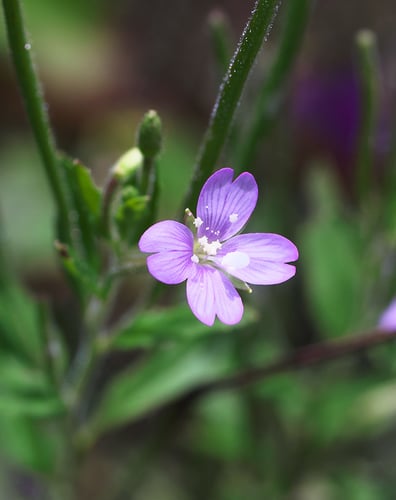
iNaturalist· cc-by-nc-sa
(c) Emmanuel Guevara Lazcano, some rights reserved (CC BY-NC-SA)
Summary
Source: WikipediaFuchsia arborescens, commonly known as the tree fuchsia, is a tree of the genus Fuchsia native to Central America. It belongs to the section Schufia and is most closely related to Fuchsia paniculata.
Description
An erect shrub or small tree. The crown is dense and round. It grows 2-8 m tall. The trunk is short and thick.
This description is brief — help expand it
Edible Uses
Fruit - raw. The fruit is reportedly edible, with a mildly sweet flavour. The purple, subglobose fruit is 8 - 12mm in diameter.
Traditional Uses
The fruit are eaten.
This uses section is brief — help expand it
Distribution
It is a tropical plant. It grows in moist mixed forest. It grows between 1,300-2,900 m above sea level. It is best in a moist, well-drained soil.
Where It Grows
Central America, Colombia, Guatemala, Mexico, North America,
Cultivation
Plants can be grown from fresh seeds. They can also be grown by cuttings.
Propagation
Seed - best sown as soon as it is ripe though stored seed can also be used. Surface sow the seed in a semi-shaded position in a seed tray, gently pressing the seed into the compost, and do not allow the compost to dry out. Germination should take place in less than 6 weeks. Prick out the seedlings into individual pots when they are large enough to handle, and grow them on until large enough to plant out. Inter-nodal cuttings of greenwood, 5 - 8cm long in a frame. Quick and easy, a high percentage take. Inter-nodal cuttings of half-ripe wood in a frame. Very quick and easy, treat as greenwood cuttings above. Cuttings usually succeed at any time during the growing season.
Production
It flowers all year round.
Synonyms
Also Known As
Aretillo, Pipilito
References (6)
- Fern, K., 2012, Tropical Species Database http://theferns.info/tropical/
- Kermath, B. M., et al, 2014, Food Plants in the Americas: A survey of the domesticated, cultivated and wild plants used for Human food in North, Central and South America and the Caribbean. On line draft. p 376
- Reis, S. V. and Lipp, F. L., 1982, New Plant Sources for Drugs and Foods from the New York Botanical Garden herbarium. Harvard. p 218
- Roa, J. A. G. & Boada, D. S. G., 2018, Fundación para el Fortalecimiento de la Fruticultura y Plantas Alimenticias no Convencionales en Colombia.
- Segura, S., et al, 2018, The edible fruit species in Mexico. Genet Resour Crop Evol (2018) 65:1767–1793
Show all 6 references Hide references
- www.tradewindsfruit.com