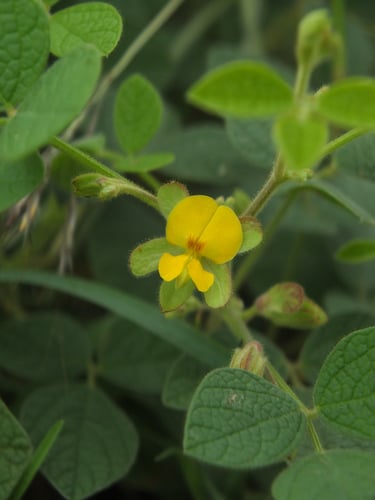
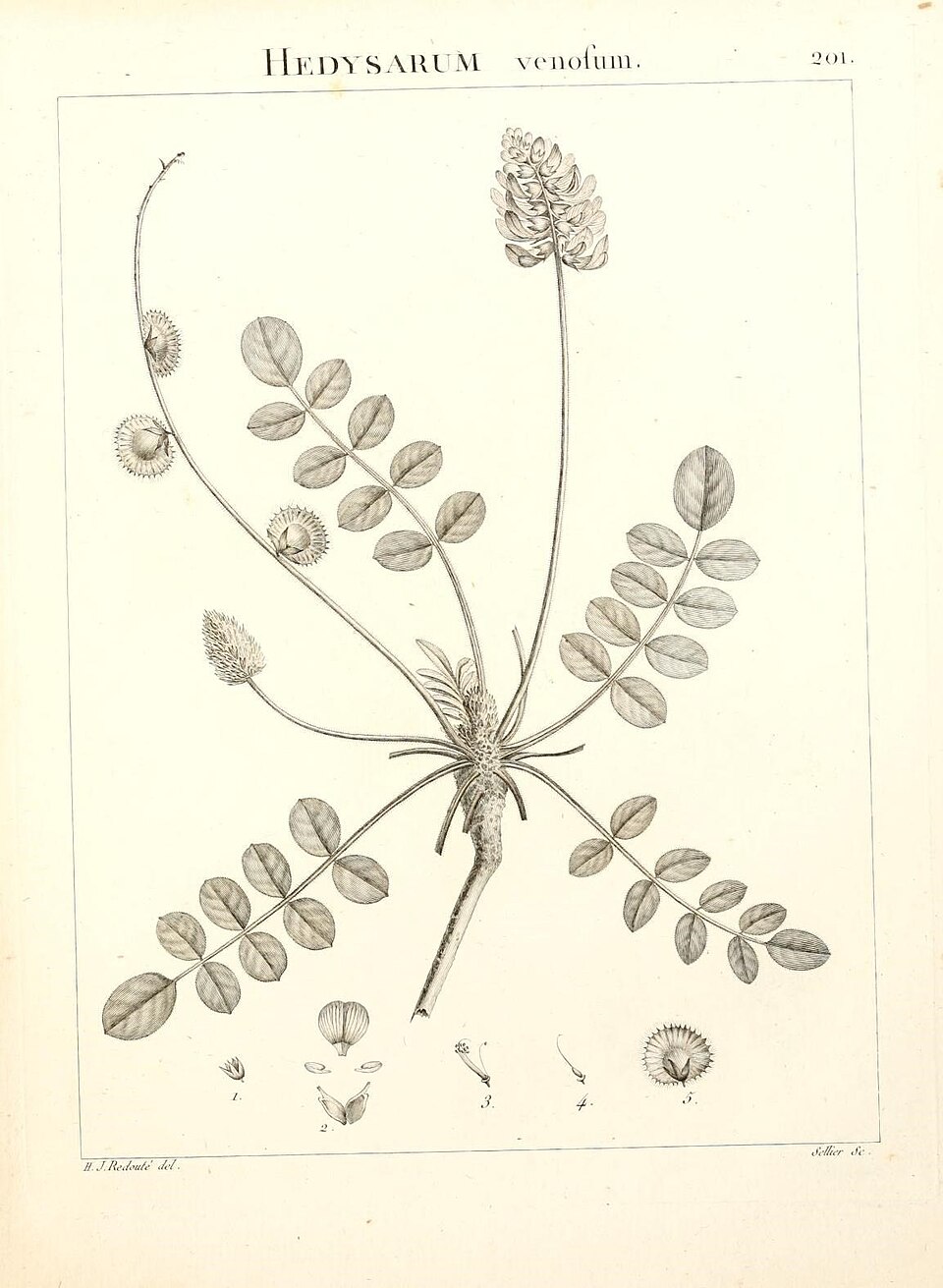
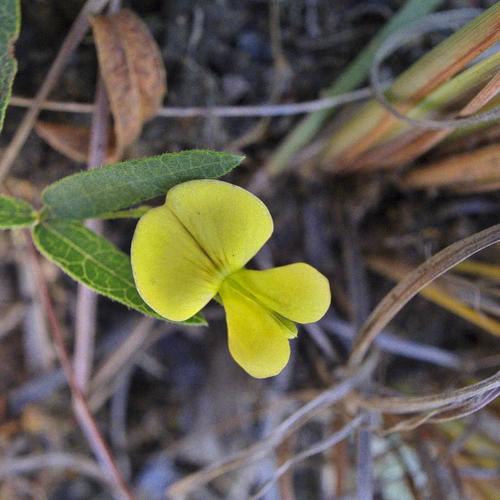
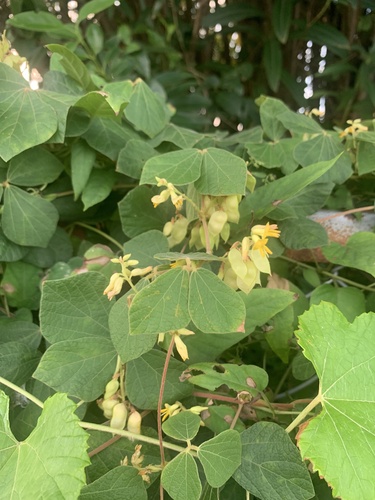
Albizia zygia
(DC.) J. F. Macbr.
Okoro, Red nongo
iNaturalist· cc-by-nc
(c) Gabriel Michel MONTEIRO, some rights reserved (CC BY-NC), uploaded by Gabriel Michel MONTEIRO
iNaturalist· cc-by-nc
(c) Gabriel Michel MONTEIRO, some rights reserved (CC BY-NC), uploaded by Gabriel Michel MONTEIRO
Summary
Source: WikipediaAlbizia zygia is a fast growing medium-sized tree species within the Fabaceae family that is commonly found in West and Central Africa.
Description
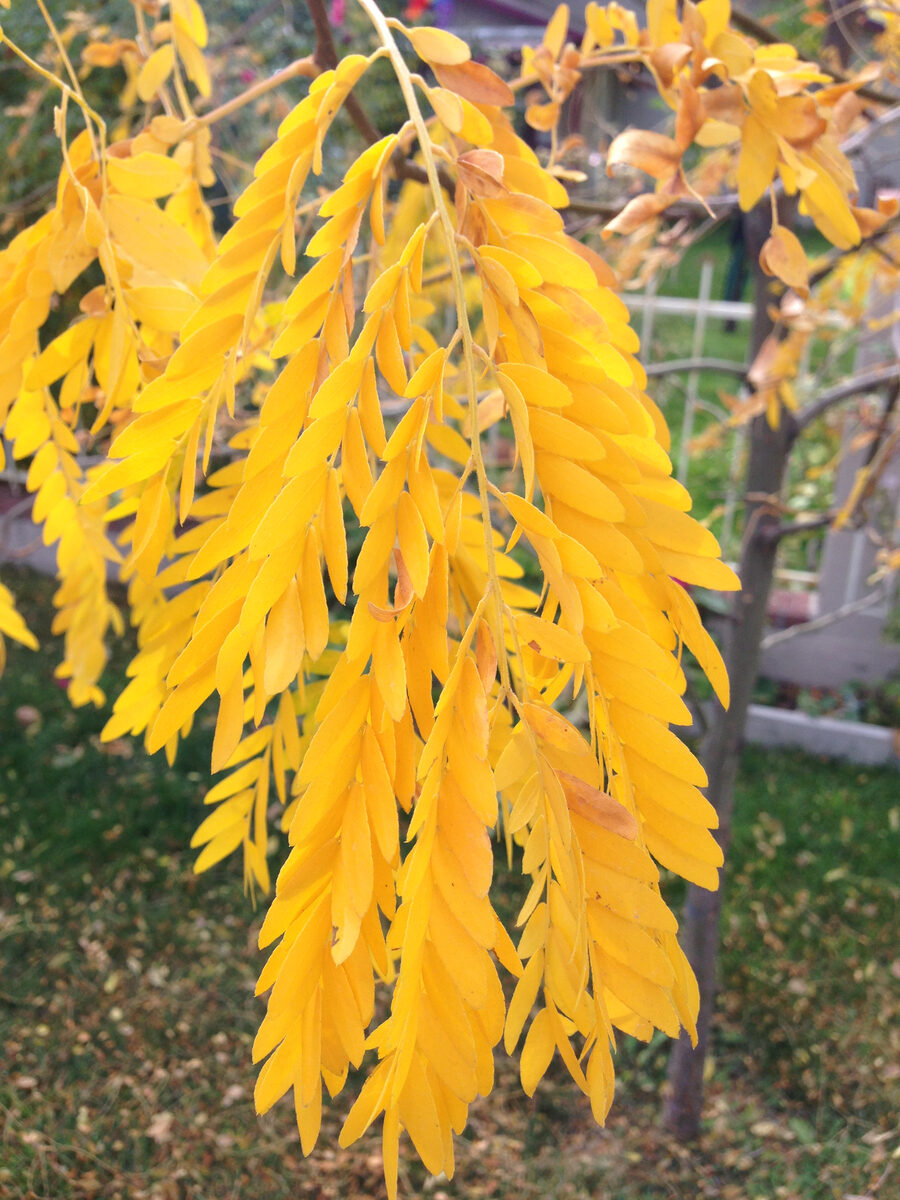
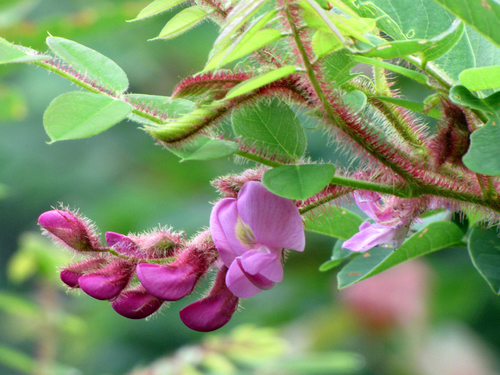
A tree which loses its leaves. It is usually 20 m tall but can vary from 9-30 m tall. It has a spreading crown which occurs in layers. The trunk is often crooked. The bark is smooth but when mature becomes brown and cracked. The outer layer of the bark looks like orange peel when cut. The leaves are twice divided. 3 pairs then 2-5 pairs. They do not have a dense covering of hairs. The end leaflet is the longest (3-7 cm) and the one nearest the stalk is shortest (1 cm). There are normally 2-5 pairs of leaflets. The flower are half round heads about 2 cm across. The male and female flowers are of different colours. The fruit is a flat pod. They are papery and 10 cm long by 2 cm wide. They contain 9-12 flat seeds about 1 cm across.
Edible Uses
Young leaves are eaten cooked as a vegetable or added to soups and sauces. The gum from the bark is used in the food industry as a stabilizer in the preparation of foods such as ice cream.
Traditional Uses
The leaves are used in the preparation of soup. The stem is powdered and used as a soup base.
This uses section is brief — help expand it
Medicinal Uses
The plant is used as a shade tree by cocoa farmers. Leaves are boiled, dried and used to prepare vegetable soup. In Ghana its leaves are used in traditional medicine for their anti-inflammatory, antipyretic and analgesic effects.
Known Hazards
The wood dust is aromatic and peppery. It may cause irritation to the nose and throat of sawmill workers.
Distribution
A tropical plant. It occurs in lowland rain-forest and along rivers. In Uganda it grows between 915 and 1,370 m altitude. It can grow in arid places.
Where It Grows
Africa, Angola, Benin, Burkina Faso, Burundi, Cabinda, Cameroon, Central Africa, Central African Republic, CAR, Chad, Congo, Côte d'Ivoire, East Africa, Equatorial-Guinea, Gabon, Gambia, Ghana, Guinea, Guinée, Guinea-Bissau, Ivory Coast, Kenya, Liberia, Mali, Niger, Nigeria, Rwanda, Sahel, Senegal, Sierra Leone, Sudan, Tanzania, Togo, Uganda, West Africa, Zambia,
Cultivation
Seed should be collected just before the pods split open. The seed should be soaked in water overnight before planting.
Propagation
Seed - the germination rate of seeds soaked in water for 24 hours was 8 - 30% in 35 days; it was much better after treatment with sulphuric acid or mechanical scarification. Pre-treatment of the seeds with 98% sulphuric acid for 5 minutes followed by thorough rinsing in water improved germination by up to 85%, and mechanical scarification followed by soaking for 6 hours in water gave a germination rate of up to 95% in 8 days. Seeds for planting should be collected from the trees before the pods dehisce. Seeds can be stored for some time in a sealed container in a cool place, after adding ash to reduce insect damage. Can be successfully propagated vegetatively by root cuttings.
Other Uses
A resin called 'nongo gum' is obtained from the stem. The gum from the bark is used in the food industry (e.g. As a stabilizer in the preparation of ice cream), cosmetic industry (e.g. As a thickener) and pharmaceutical industry (e.g. As a drug coating). The gum has good potential for use as compression coating for drugs targeting the colon, being capable of protecting the core tablet in the physiological environment of the stomach and small intestine, but susceptible to degradation by the colonic bacterial enzymes leading to release of the drug. The gum is also promising as binding agent in tablet formulations, especially when high mechanical strength and slower release rates are desired. The bark contains tannins The dark brown wood is durable and very hard. It is made into pestles, tool handles, planks, used for doors, beams and general building purposes.It is also suitable for joinery, interior trim, ship and boat building, vehicle bodies, toys and novelties, turnery, boxes, crates, matches, hardboard and particle board. The wood pulp is suitable for paper production. The wood is commonly used as firewood and for charcoal production. The tree is valued for providing shade in plantations of crops such as cocoa and coffee. It is also used as a support for yam plants. It provides leaf litter which acts as a mulch and improves the pH in acidic soils - this, coupled with its ability to fix atmospheric nitrogen, makes it a useful species for soil improvement. It has a high potential for ameliorating degraded cocoa soils. With a fairly deep rooting system, it has great potential to protect vulnerable soils from erosion.
Production
The young tree is slow growing.
Notes
There are 145-150 Albizia species. They grow in the tropics and subtropics. Also as Mimosaceae.
Also Known As
Biaioga, Buiaioga, Bunike, Cobaga-e, Folo-kpakpei, Folo, Foo, Fufu, Ka-pun-ka-kari, Ka-pun, Kpakpei, Kpangba, Mabodadi, Marrone, Masamp, Msamp-m'boko, Mukunzuru, Mweyeye, Oturbam, Po-de-raio, Pun-de, Tali, Taliba, Tangalamara, Tombonka're, Uarmaua
References (18)
- Abbiw, D.K., 1990, Useful Plants of Ghana. West African uses of wild and cultivated plants. Intermediate Technology Publications and the Royal Botanic Gardens, Kew. p 41
- Bircher, A. G. & Bircher, W. H., 2000, Encyclopedia of Fruit Trees and Edible Flowering Plants in Egypt and the Subtropics. AUC Press. p 17
- Burkill, H. M., 1985, The useful plants of west tropical Africa, Vol. 3. Kew.
- Chapman, J. D. & Chapman, H. M., 2001, The Forest Flora of Taraba and Andamawa States, Nigeria. WWF & University of Canterbury. p 183
- Contr. Gray Herb. 59:3. 1919
Show all 18 references Hide references
- FAO Corporate Document Repository. The Major Significance of 'Minor' Forest Products. Appendix 3
- Fowler, D. G., 2007, Zambian Plants: Their Vernacular Names and Uses. Kew. p 34
- Gallagher, D. E., 2010, Farming beyond the escarpment: Society, Environment, and Mobility in Precolonial Southeastern Burkina Faso. PhD University of Michigan.
- Jardin, C., 1970, List of Foods Used In Africa, FAO Nutrition Information Document Series No 2.p 52
- Kunkel, G., 1965, The Trees of Liberia. German Forestry Mission Report No. 3 p 30
- Le Houerou, H. N., (Ed.), 1980, Browse in Africa. The current state of knowledge. International Livestock Centre for Africa, Ethiopia. p 163
- Martin, F.W. & Ruberte, R.M., 1979, Edible Leaves of the Tropics. Antillian College Press, Mayaguez, Puerto Rico. p 197
- Peters, C. R., O'Brien, E. M., and Drummond, R.B., 1992, Edible Wild plants of Sub-saharan Africa. Kew. p 129
- Royal Botanic Gardens, Kew (1999). Survey of Economic Plants for Arid and Semi-Arid Lands (SEPASAL) database. Published on the Internet; http://www.rbgkew.org.uk/ceb/sepasal/internet [Accessed 28th April 2011]
- Savill, P. S. & Fox, J. E. D., 1967, Trees of Sierra Leone. p 252
- Ubom, R. M., 2010, Ethnobotany and Diversity Conservatioon in the Niger Delta, Nigeria. International Journal of Botany. 6(3): 310-322
- World Checklist of Useful Plant Species 2020. Royal Botanic Gardens, Kew
- www.worldagroforestrycentre.org/treedb/