Myroxylon balsamum var. pereirae
(Royle) Harms
Balsam of Peru
iNaturalist· cc-by-nc
(c) echoussy, some rights reserved (CC BY-NC)
iNaturalist· cc-by-nc-sa
(c) Reinaldo Aguilar, some rights reserved (CC BY-NC-SA)
iNaturalist· cc-by-nc-sa
(c) Reinaldo Aguilar, some rights reserved (CC BY-NC-SA)
Summary
Source: WikipediaMyroxylon balsamum, is a species of tree in the family Fabaceae. It is known by the common name Santos mahogany or Cabrueva. It is native to tropical forests from Southern Mexico through the Amazon regions of Peru and Brazil at elevations of 200–690 metres (660–2,260 ft). Plants are found growing in well drained soil in evergreen humid forest.
Description
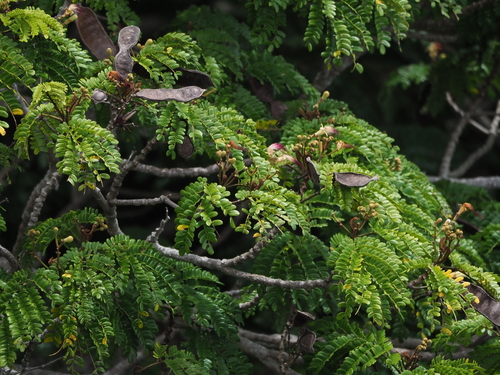
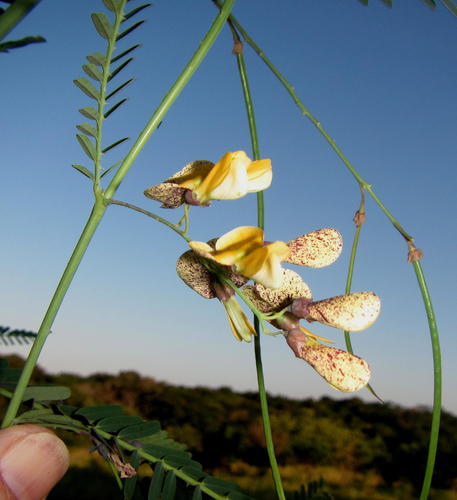
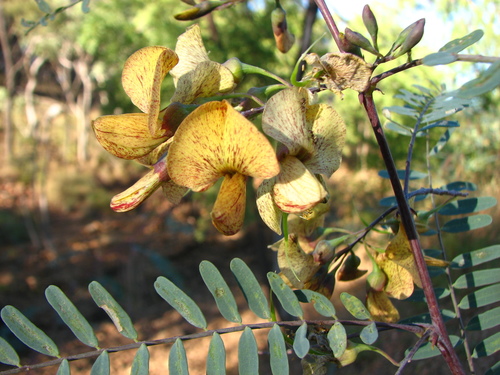
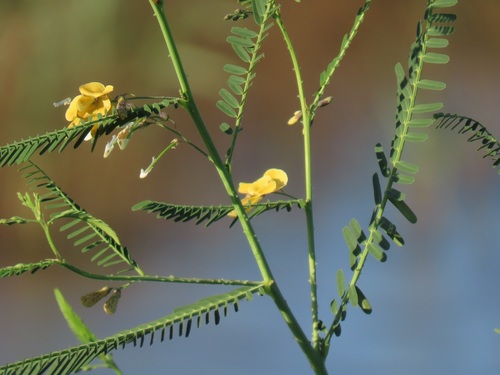
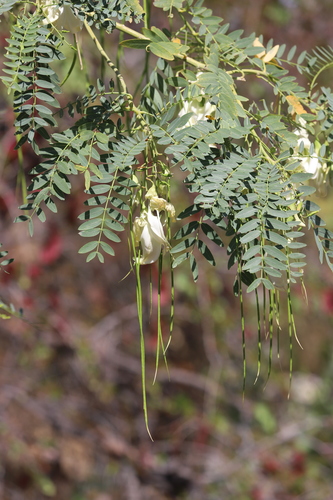
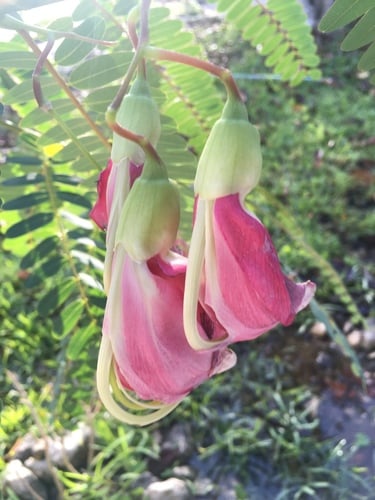
A tree. It grows 34 m high. The trunk is 1 m across. The bark is grey and spotted with rough yellow areas. The leaves have leaflets along the stalk and one at the end. There are 3-11 leaflets that are 6-9 cm long and 3-4 cm wide. They have oil dots. The flowers are white.
Edible Uses
Balsam of Tolu and Balsam of Peru are the products of the species' resin. They are extracted from different varieties in different ways. They are marketed among a series of intermediaries and exporters, their destinations being Germany, the United States of America, England and Spain, where they are used in the manufacture of cosmetics and medicines (for diseases of the skin, bronchi, lungs and airways, and in the treatment of burns and wounds). The tree has been planted for Balsam production in West Africa, India, and Sri Lanka. The wood is reddish and has interlocked grain, which gives it a strong ribbon-like pattern, and logs produce a large amount of knot-free lumber. The wood has a Janka hardness of 2,200 pounds-force (9,800 N) and is somewhat resistant to fungal decay. Myroxylon balsamum wood is used for flooring, furniture, interior trim, and heavy construction. M. balsamum is often used as a shade tree in coffee plantations.
Traditional Uses
The resin provides a hot spicy flavouring used in chewing gum, ice cream, baked goods and other foods. The seeds are used to add a bitter flavour to drinks.
Distribution
A tropical plant. It grows from sea level up to 700 m above sea level.
Where It Grows
Argentina, Belize, Brazil*, Caribbean, Central America, Colombia, Costa Rica, Cuba, Dominican Republic, El Salvador, Fiji, Guatemala, Haiti, Honduras, Mexico, Nicaragua, North America, Pacific, Panama, Peru, South America, Sri Lanka, West Indies,
Cultivation
Plants can be grown from seeds. Seeds germinate in 15-30 days.
Other Information
It is cultivated.
Notes
It is used in medicine and cosmetics.
Synonyms
Also Known As
Balsamito, Black balsam
References (8)
- Facciola, S., 1998, Cornucopia 2: a Source Book of Edible Plants. Kampong Publications, p 109
- Grandtner, M. M., 2008, World Dictionary of Trees. Wood and Forest Science Department. Laval University, Quebec, Qc Canada. (Internet database http://www.wdt.qc.ca)
- Grandtner, M. M. & Chevrette, J., 2013, Dictionary of Trees, Volume 2: South America: Nomenclature, Taxonomy and Ecology. Academic Press p 438
- ILDIS Legumes of the World http:www:ildis.org/Legume/Web
- Kermath, B. M., et al, 2014, Food Plants in the Americas: A survey of the domesticated, cultivated and wild plants used for Human food in North, Central and South America and the Caribbean. On line draft. p 565
Show all 8 references Hide references
- Morton,
- Notizbl. Koenigl. Bot. Gart. Berlin 5:95. 1908
- Wiersema, J. H. & Leon, B., 2013, World Economic Plants. A Standard Reference CRC Press. 2nd Ed. p 460