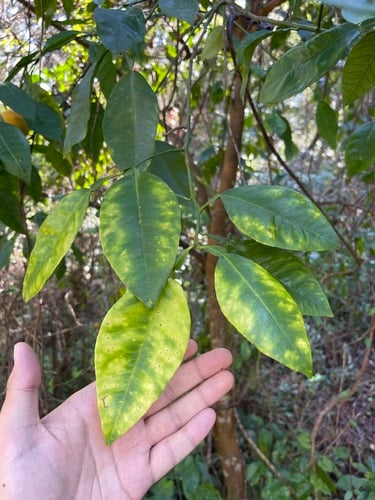
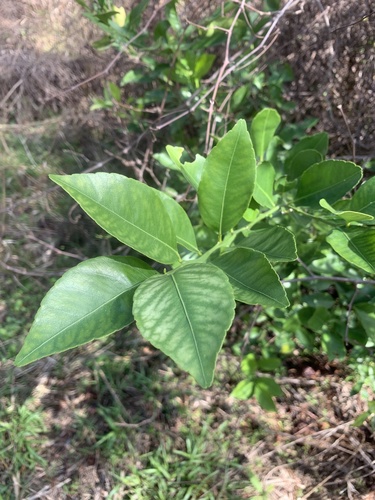
Ptelea trifoliata mollis
Torr.&A.Gray.
Hop Tree
iNaturalist· cc-by-nc
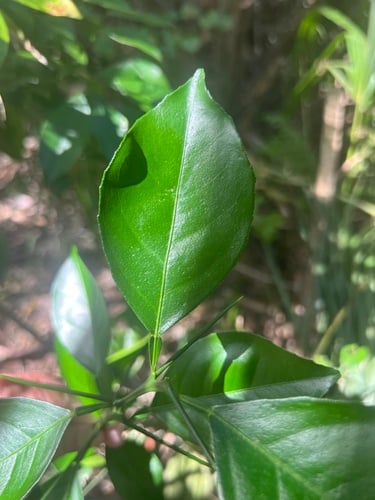
(c) Liam O'Brien, some rights reserved (CC BY-NC), uploaded by Liam O'Brien
iNaturalist· cc-by-nc
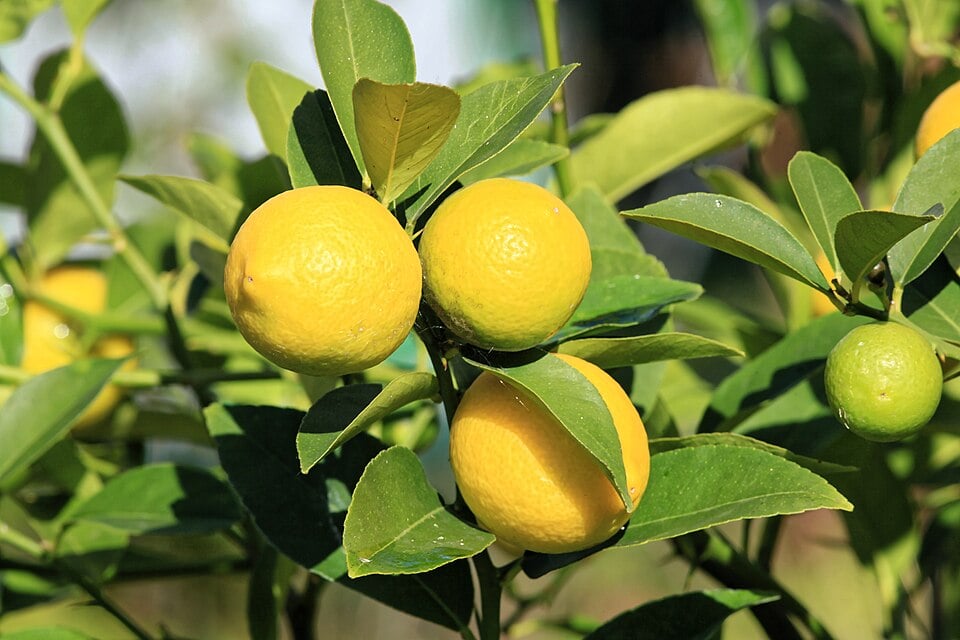
(c) Jorge Alpízar, some rights reserved (CC BY-NC), uploaded by Jorge Alpízar
iNaturalist· cc-by-nc
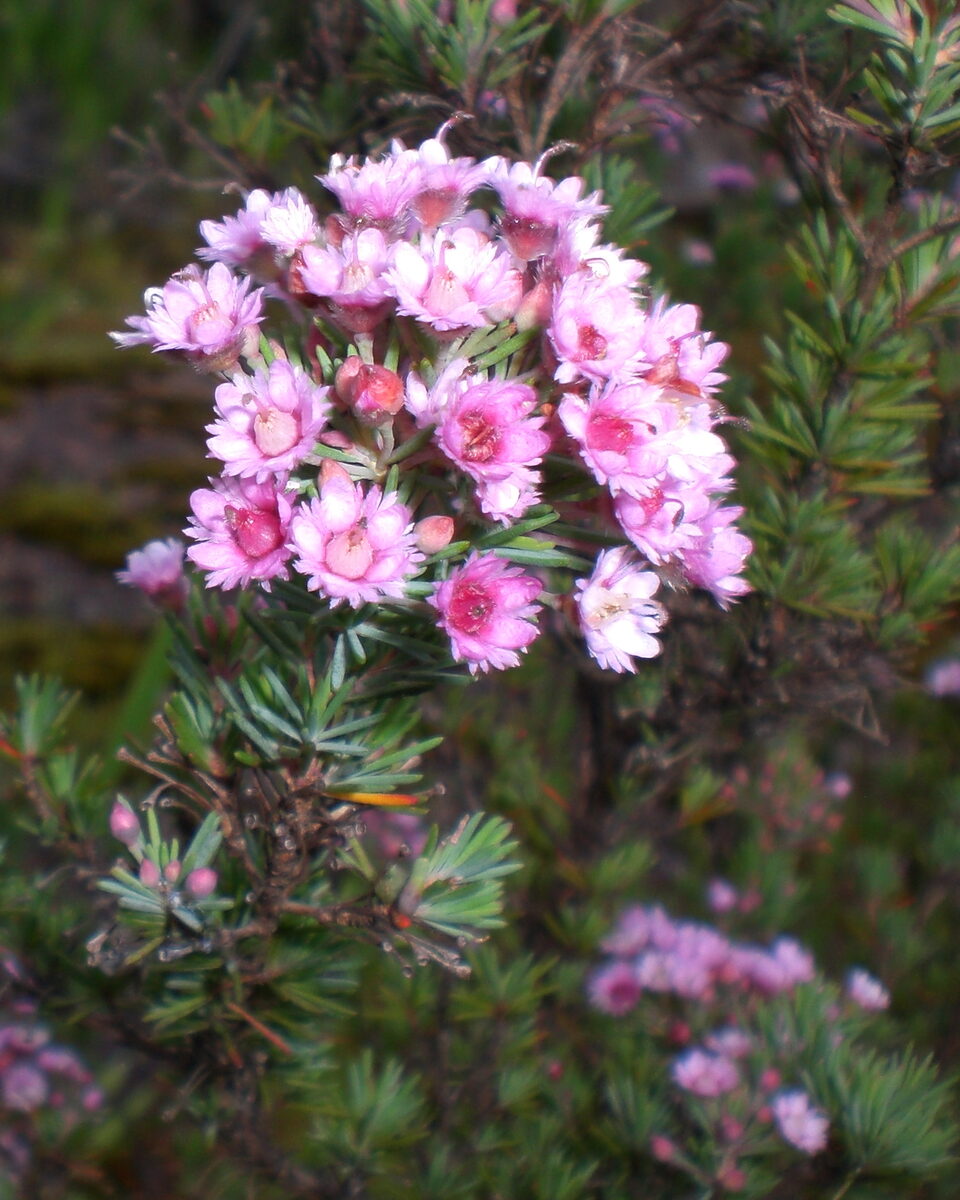
(c) Henry Sandi Amador, some rights reserved (CC BY-NC), uploaded by Henry Sandi Amador
Description
Ptelea trifoliata mollis is a deciduous Tree growing to 6 m (19ft 8in). See above for USDA hardiness. It is hardy to UK zone 5 and is not frost tender. It is in flower from June to July, and the seeds ripen from October to November. The species is hermaphrodite (has both male and female organs). Suitable for: light (sandy), medium (loamy) and heavy (clay) soils and prefers well-drained soil. Suitable pH: mildly acid, neutral and basic (mildly alkaline) soils. It can grow in semi-shade (light woodland) or no shade. It prefers moist soil.
Edible Uses
Fruit - raw. Eaten by young children. The fruit is also used as a hop substitute when making beer and it is added to yeast to make it rise more quickly when making bread. The fruit is produced abundantly in Britain, though very little of it is fertile. The fruit is about 25mm long.
Medicinal Uses
Anthelmintic Antibacterial Antiperiodic Malaria Stomachic Tonic. The root-bark is anthelmintic, antibacterial, antiperiodic, stomachic and tonic. It has been mixed with other medicines in order to give added potency. It has a soothing influence on the mucous membranes and promotes the appetite, being tolerated when other tonics cannot be retained. It is also taken in the treatment of intermittent fevers such as malaria, heartburn, roundworms, pinworms and poor digestion. Externally it is applied to wounds. The roots are harvested in the autumn, the bark peeled off and dried for later use. The roots are a tonic, used in the treatment of asthmatic breathing, fevers, poor appetite etc. The leaves are said to be useful in the treatment of wounds and also in the destruction of intestinal worms.
Known Hazards
This species can cause photosensitization of the skin.
Distribution
Eastern N. America - North Carolina and Georgia to Indiana.
Where It Grows
Coming Soon
Cultivation
Succeeds in any fertile well-drained moisture retentive soil in full sun or light part day shade. The young growth in spring can be damaged by late frosts. A very ornamental plant. This sub-species is the form that is eaten by children. Plants in this genus are notably resistant to honey fungus.
Propagation
Seed - best sown as soon as it is ripe in a cold frame. Stored seed requires 3 months cold stratification at 5°c and should be sown as early as possible in the year. When they are large enough to handle, prick the seedlings out into individual pots and grow them on in light shade in the cold frame for at least their first winter. Plant them out into their permanent positions in late spring or early summer, after the last expected frosts. Very little of the seed produced in Britain is viable. Cuttings of half-ripe wood, July/August in a frame. Layering.
Other Uses
Wood. Wood - hard, heavy, close grained. It weighs 43lb per cubic foot.