Ptaeroxylon obliquum
(Thunb.) Radlk.
Sneezewood
iNaturalist· cc-by-nc
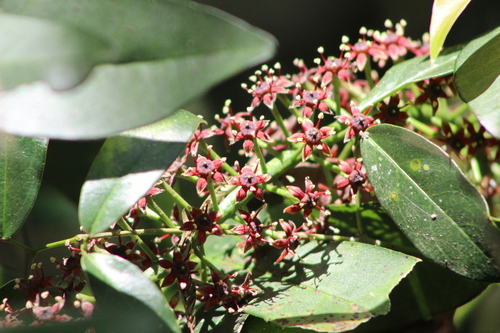
(c) anniekant, some rights reserved (CC BY-NC)
iNaturalist· cc-by-nc
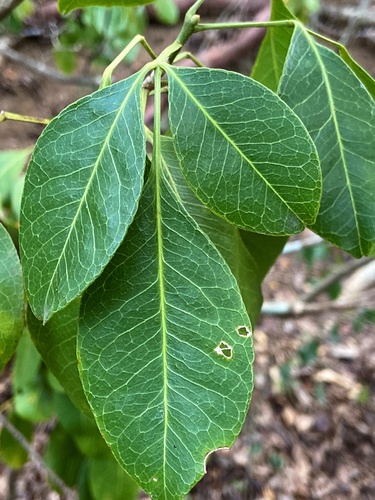
(c) Troos van der Merwe, some rights reserved (CC BY-NC), uploaded by Troos van der Merwe
iNaturalist· cc-by-nc
(c) Roland Morisse, some rights reserved (CC BY-NC), uploaded by Roland Morisse
Summary
Source: WikipediaA deciduous shrub growing to 20 meters tall by 15 meters wide at a medium rate, hardy to UK zone 10. Requires full sun and cannot tolerate shade. Prefers well-drained, neutral to mildly alkaline or very alkaline soils, though it tolerates drought once established. Self-incompatible, flowering occurs on moist soil. The wood is rose-red to dark red, changing to orange-brown or golden brown, with fine texture, wavy grain, and a distinctive peppery smell. Extremely durable and resistant to termite, Lyctus, and marine borer attacks.
Description
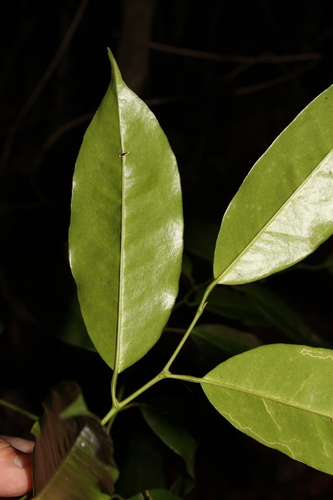
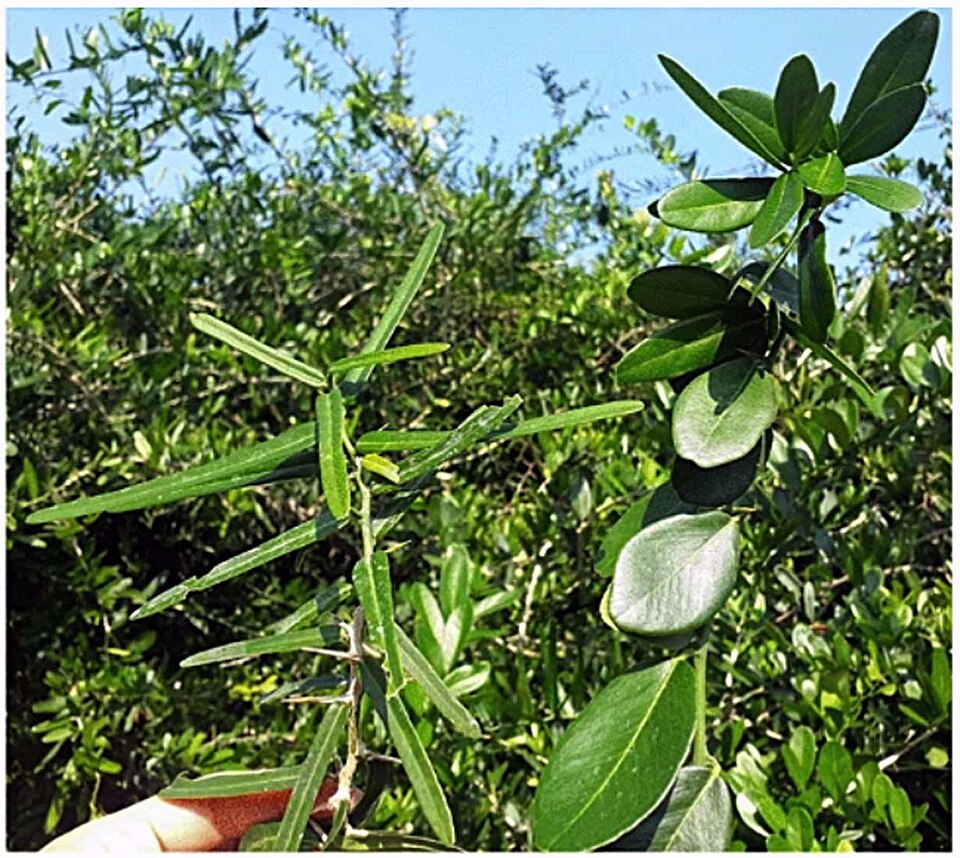
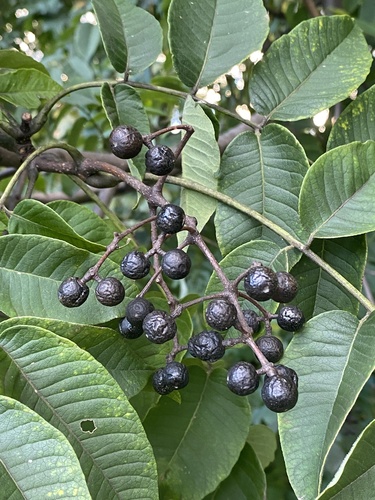
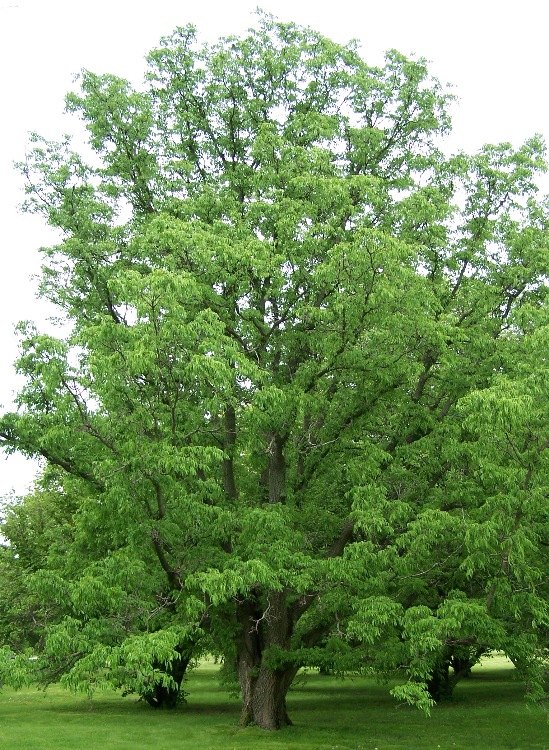
A shrub or small tree. It grows 15 m tall. The trunk is 30 cm across. The leaves have 3-7 pairs of leaflets. These are 5 cm long by 2.4 cm wide. Young leaves are hairy. The flowers are yellow and in groups in the axils of leaves. The fruit is a capsule that splits into 2 valves. It is 18 mm long by 12 mm wide. The seeds is 16 mm long by 6 mm wide.
Edible Uses
None known
Medicinal Uses
The wood has a pepper-like scent and causes sneezing. The bark, sawdust, and smoke from burning wood are all used as a snuff to relieve headaches. Infusions of the bark and wood are traditional remedies for rheumatism, arthritis, and heart complaints. The wood resin is applied to warts and used to kill ticks on cattle. A tea made from the twigs is taken for urinary complaints. The wood and leaves contain chromones and other phenolic compounds; methylalloptaeroxylin and perforatin A have shown antihypertensive effects, and 7-hydroxychromones display antioxidant activity. Unlike most Rutaceae, the tree lacks limonoids. An alkaloid isolated from the bark showed cardiac-depressant activity, and dichloromethane extracts of roots, leaves, and stems demonstrated moderate in-vitro antiplasmodial activity.
Known Hazards
The wood dust is very irritating and may cause violent sneezing. Highly irritant, aromatic peppery oils, containing nieshoutol, are produced by the wood, causing violent sneezing by woodworkers after sawing or sanding.
Distribution
It is a tropical plant. It can grow up to 2,000 m above sea level.
Where It Grows
Africa, Angola, Botswana, East Africa, Eswatini, Mozambique, Namibia, South Africa, Swaziland, Tanzania, Zimbabwe,
Cultivation
A plant of tropical and subtropical areas, where it is found at elevations from sea level to about 2,000 metres. Tolerates moderate levels of frost. Thrives best in shale or lime soils, though it also succeeds in well-drained sandy or rocky soils. Established plants are drought tolerant. The tree grows moderately fast, achieving annual increments of 40 - 100cm in height under good conditions. Trees can be managed by coppicing, showing regrowth in about 75% of cut stems. Natural regeneration often occurs in forest margins, but saplings have also been recorded in Pinus plantations in South Africa. Regeneration may be abundant after severe opening of the forest canopy, and seedlings may cover the bare forest floor after disturbance. Dioecious, both male and female forms need to be grown if seed is required.
Propagation
No pre-treatment is needed before sowing. Seeds can be sown in an equal mixture of river sand and compost and covered with a thin layer of sand. Fresh seed generally germinates at a high rate, but viability is lost rapidly — within a few months. Transplanting seedlings when they have three leaves is recommended. Root suckers can also be used for propagation.
Other Uses
Wood chips repel moths from clothing, and smoke from burning wood serves as a traditional pesticide for stored grain. The resin can also be used as an insecticide. The heartwood is rose-red to dark red, aging to orange-brown or golden brown, clearly set apart from the pale grey, narrow sapwood. The grain is wavy and the texture fine; the wood is hard, heavy, tough, dense, close-grained, satiny in lustre, and has a strong peppery smell. It is extremely durable and resistant to termites, Lyctus beetles, and marine borers. Despite its hardness, the wood saws without great difficulty, though the wavy grain makes working it challenging; it can nonetheless be finished to a smooth, lustrous surface and turns excellently. Pre-boring before nailing is required, and gluing is difficult. The wood is highly valued for furniture and house-building poles. In Mozambique it is favoured for the keys of traditional xylophones and is baked in an oven for that purpose. It has also been used for railway sleepers and durable fence posts, and is suitable for heavy construction including marine works, heavy flooring, vehicle bodies, handles, sporting goods, implements, toys, novelties, precision equipment, carving, pattern making, vats, and turnery. When used as machine bearings it often outlasts brass or iron. An oil in the wood makes it highly inflammable; it is used as fuel, as tinder, and to produce fire by friction, and is said to burn like paraffin, giving a bright, hot flame.
Synonyms
References (1)
- World Checklist of Useful Plant Species 2020. Royal Botanic Gardens, Kew