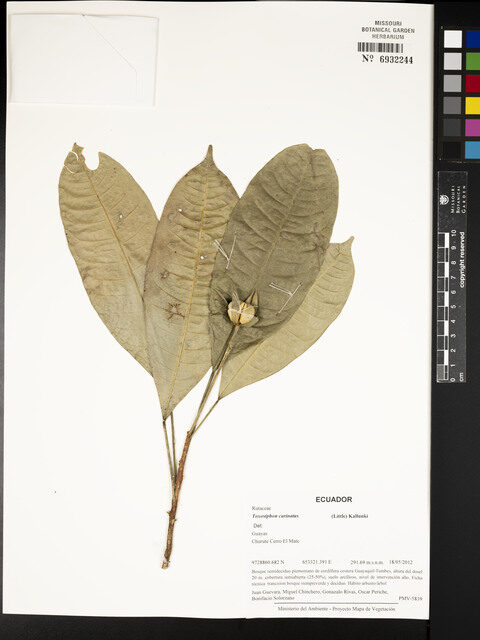
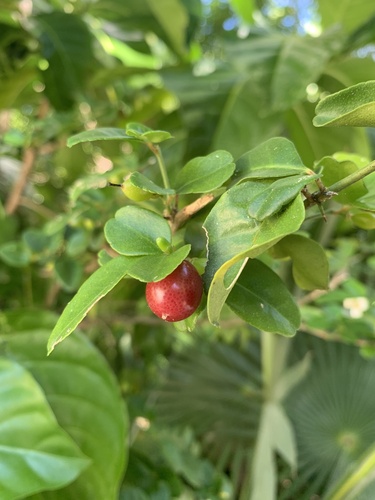
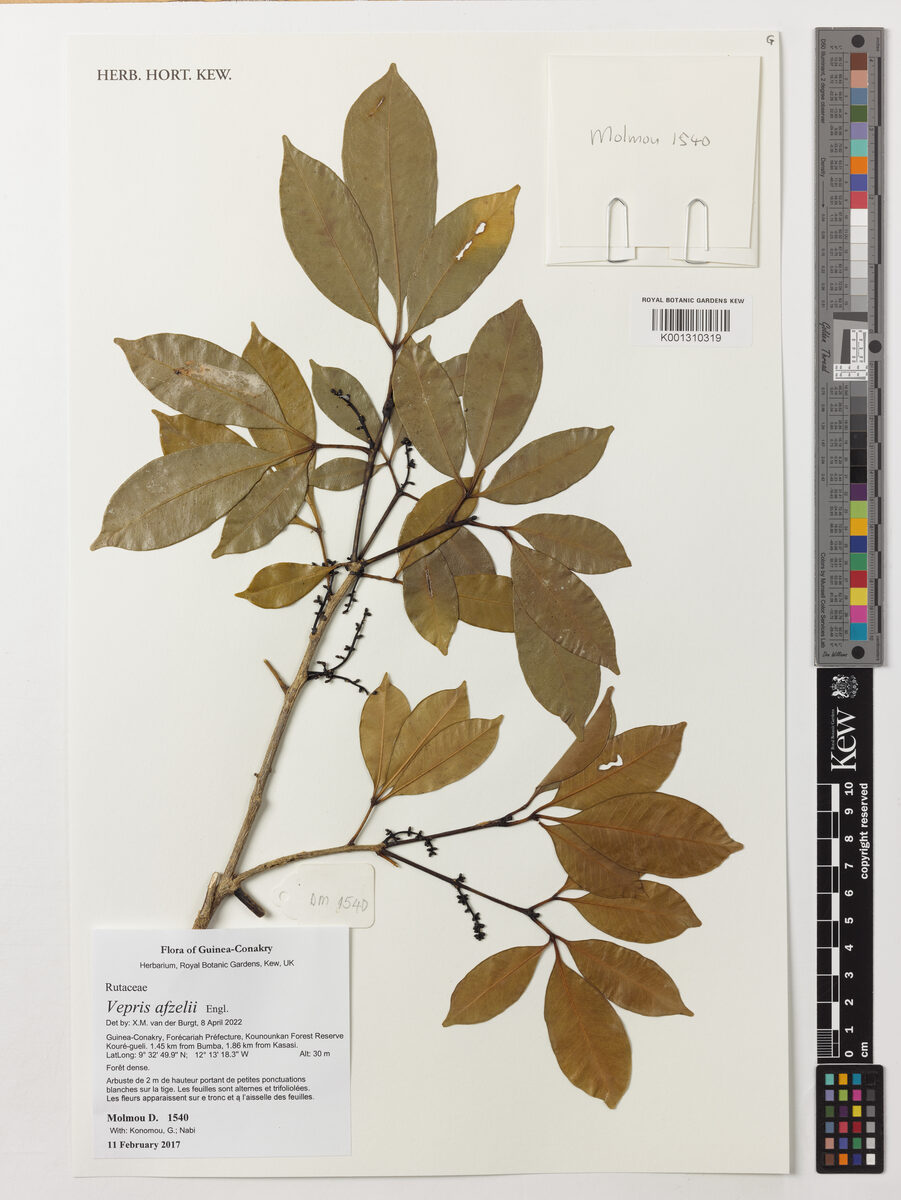
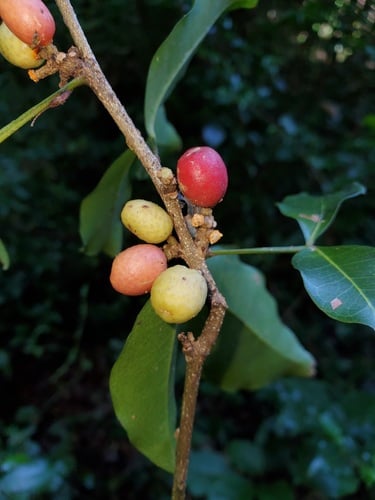
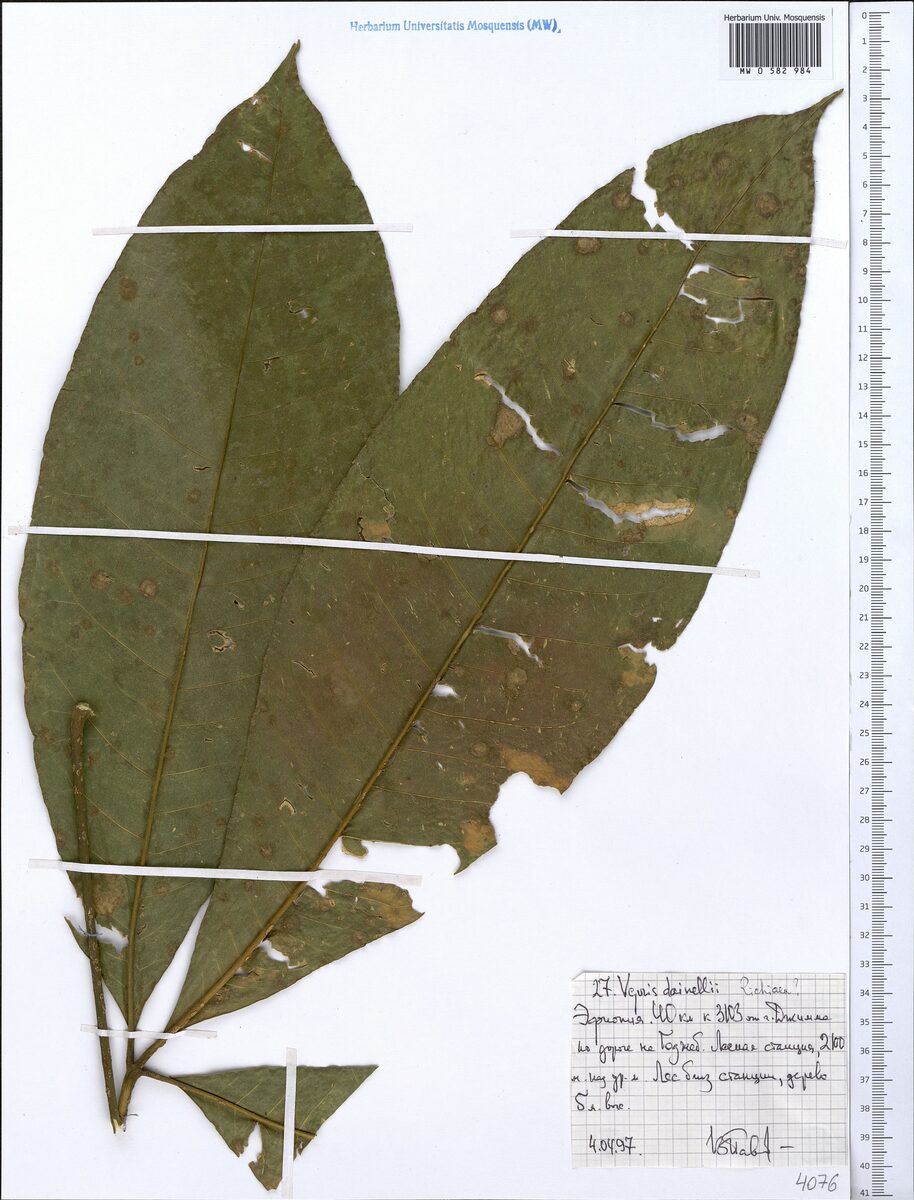
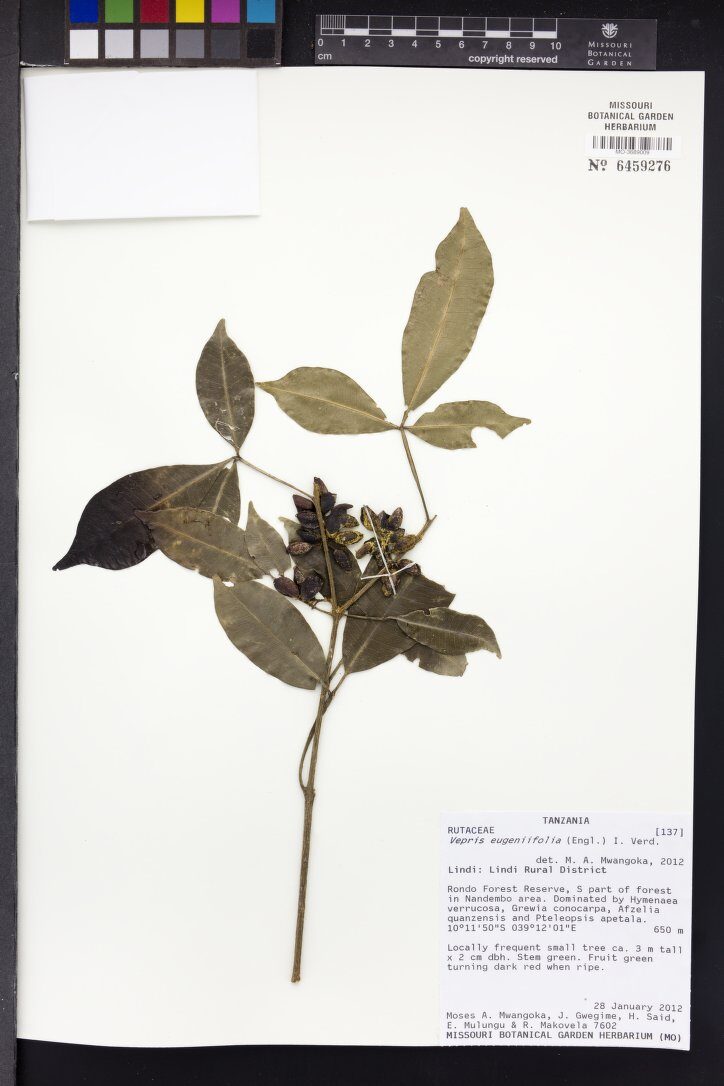
Ptelea baldwinii
Torr.&A.Gray.
Common hoptree
gbif· cc-by
GBIF
gbif· cc-by
Royal Botanic Gardens, Kew
gbif· cc-by-nc-sa
MBG
Description
Ptelea baldwinii is a deciduous Shrub growing to 6 m (19ft 8in). See above for USDA hardiness. It is hardy to UK zone 6 and is not frost tender. It is in flower from April to May. The species is hermaphrodite (has both male and female organs). Suitable for: light (sandy), medium (loamy) and heavy (clay) soils and prefers well-drained soil. Suitable pH: mildly acid, neutral and basic (mildly alkaline) soils. It can grow in semi-shade (light woodland) or no shade. It prefers moist soil.
Edible Uses
Seed. Ground into a powder and mixed with yeast to make a bread.
Distribution
South-eastern N. America.
Where It Grows
NORTHERN AMERICA: Canada (Ontario (southeast)), United States (Indiana, Michigan (south), New Jersey, New York (west), Ohio, Pennsylvania (northwest & southeast), West Virginia, Illinois, Iowa (southeast), Kansas (southeast), Missouri, Nebraska (southeast & north-central), Oklahoma, Wisconsin, Alabama, Arkansas, Delaware, Florida, Georgia, Kentucky, Louisiana, Maryland, Mississippi, North Carolina, South Carolina, Tennessee, Virginia, District of Columbia, Texas).
Cultivation
Succeeds in any fertile well-drained moisture retentive soil in full sun or light part day shade. The young growth in spring can be damaged by late frosts. Plants in this genus are notably resistant to honey fungus.
Propagation
Seed - best sown as soon as it is ripe in a cold frame. Stored seed requires 3 months cold stratification at 5°c and should be sown as early as possible in the year. Very little of the seed produced in Britain is viable. Prick out the seedlings into individual pots when they are large enough to handle and grow them on in a greenhouse or cold frame for their first winter. Plant them out in early summer of the following year. Cuttings of half-ripe wood, July/August in a frame. Layering.