Amischotolype mollissima
(Blume) Hassk.
iNaturalist· cc-by
(c) Dick Culbert, some rights reserved (CC BY)
iNaturalist· cc-by
(c) T R Shankar Raman, some rights reserved (CC BY)
iNaturalist· cc-by
(c) T R Shankar Raman, some rights reserved (CC BY)
Description
A succulent herb. It varies considerably. It can grow 3-8 m long. It can be climbing. The leaves are alternate and sword shaped. The base of the leaf narrows into a stalk. It narrow to a tip. The leaves are dark green and shiny above and pale underneath. They are 12-48 cm long by 4-12 cm wide. The flowers are almost without stalks. They are in the axils of leaves. They are in round groups 2-6 cm across. The flowers are often red but can be white. The fruit are oblong and hairy at the tip.
Edible Uses
The leaves are cooked and eaten as a vegetable. The plant is sold in markets.
Traditional Uses
The leaves are cooked and eaten.
This uses section is brief — help expand it
Distribution
A tropical plant. It grows in moist, shady places in humus rich soils. It grows between 50-1,500 m above sea level.
Where It Grows
Asia, Indochina, Indonesia, Laos, Myanmar, SE Asia,
Other Information
It is sold in markets.
Synonyms
Also Known As
Gewor, Kerok batok, Limpoongan, Tjeli badak
References (2)
- Martin, F.W. & Ruberte, R.M., 1979, Edible Leaves of the Tropics. Antillian College Press, Mayaguez, Puerto Rico. p 183 (As Forrestia marginata)
- Ochse, J.J. et al, 1931, Vegetables of the Dutch East Indies. Asher reprint. p 116
More from Commelinaceae
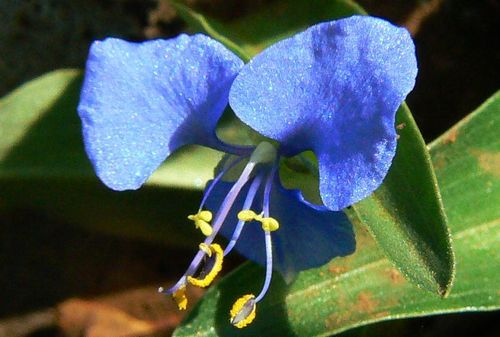
Commelina diffusa
Wandering Jew, Spreading Dayflower
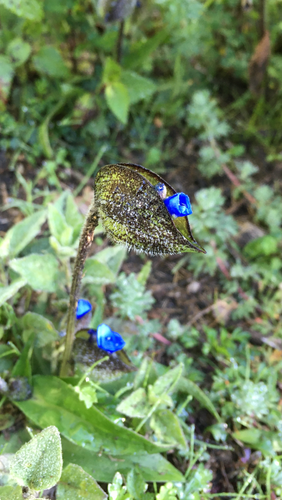
Commelina elliptica
Peruvian spiderwort
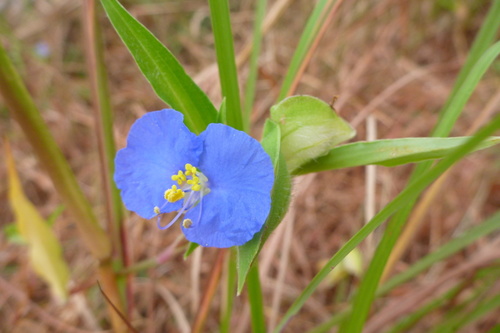
Commelina ensifolia
Scurvy grass, Wandering jew
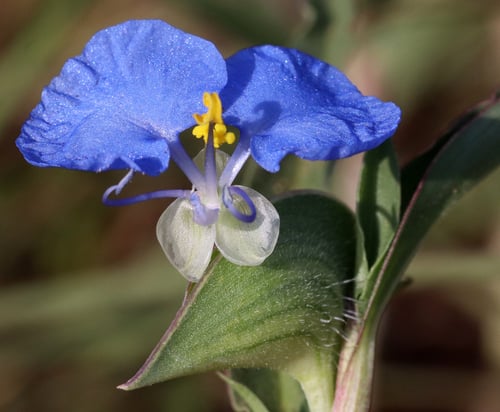
Commelina erecta
Erect dayflower, Blue commelina
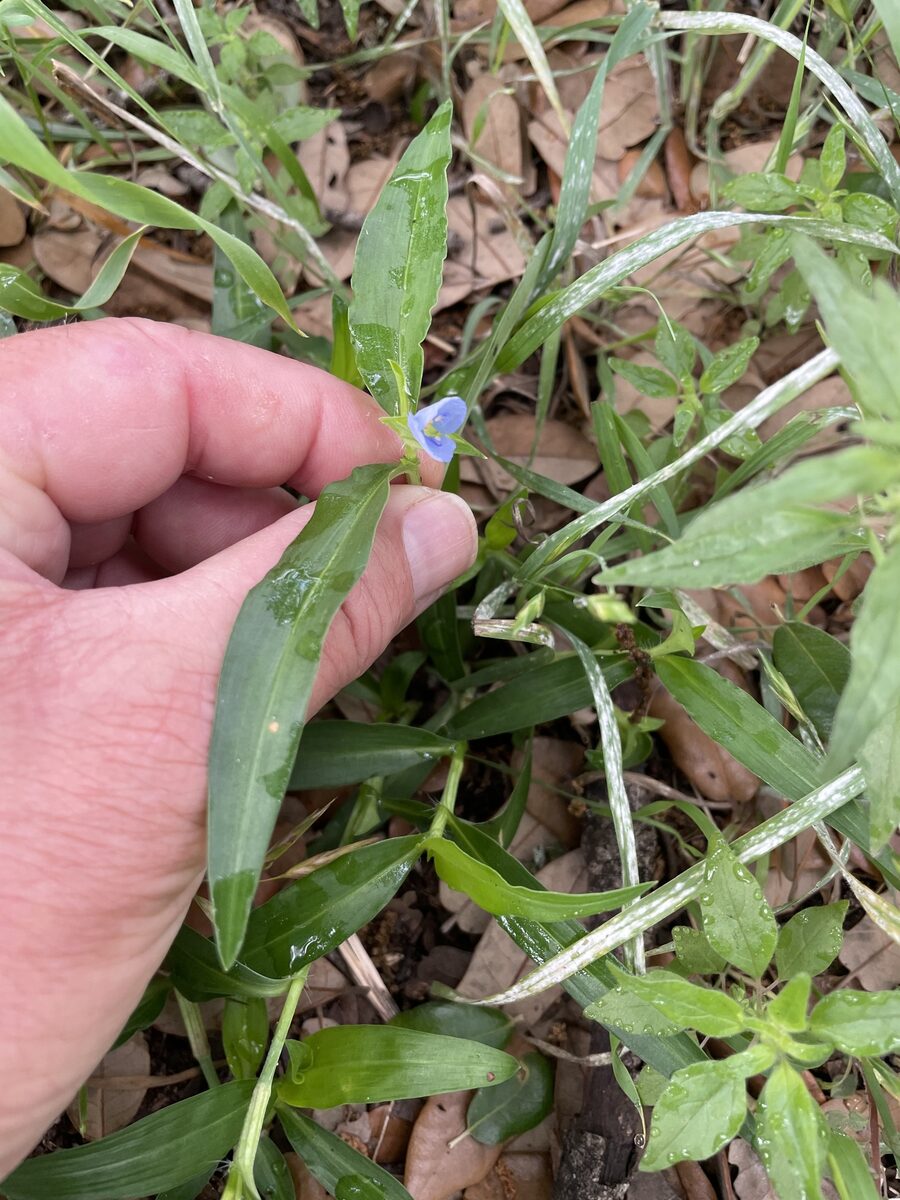
Commelina erecta angustifolia - (Michx.)Fernald.
Whitemouth Dayflower
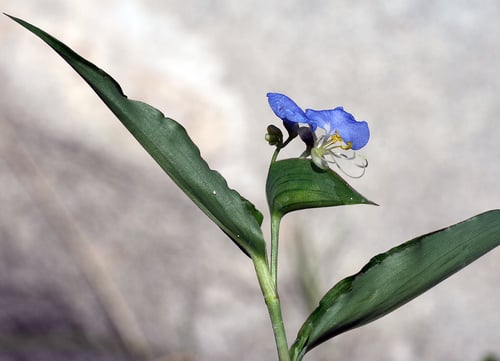
Commelina erecta var. angustifolia
Whitemouth dayflower