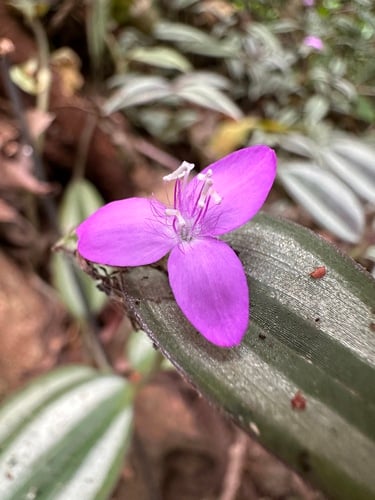
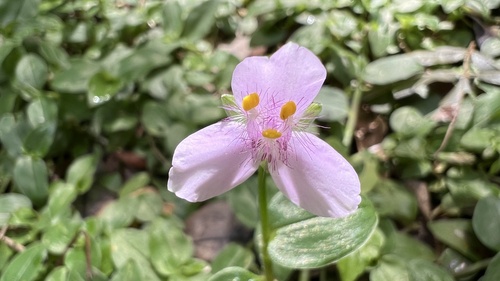
Floscopa scandens
Lour.
Mini bamboo
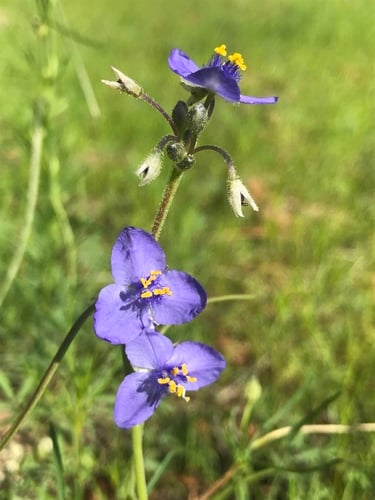
iNaturalist· cc0
no rights reserved, uploaded by 葉子
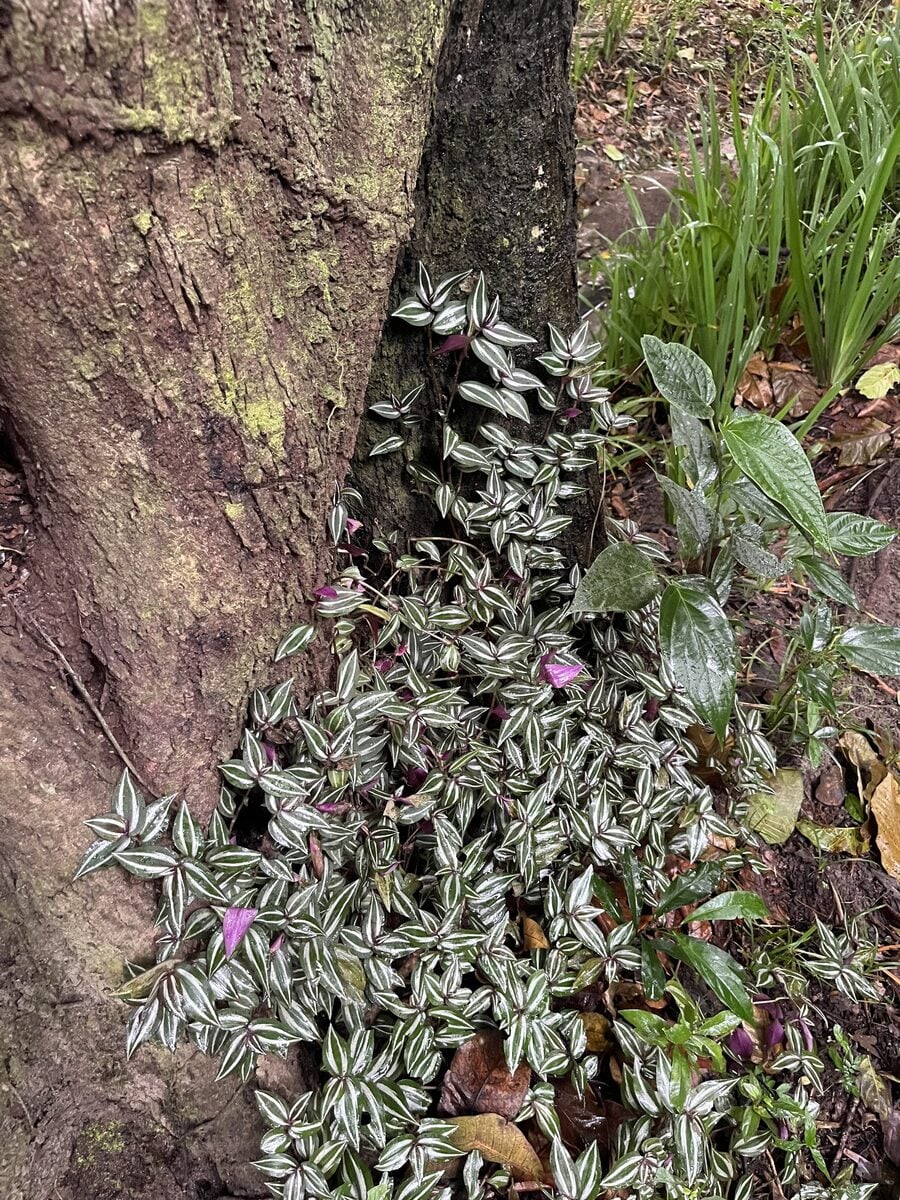
iNaturalist· cc0
no rights reserved, uploaded by 葉子
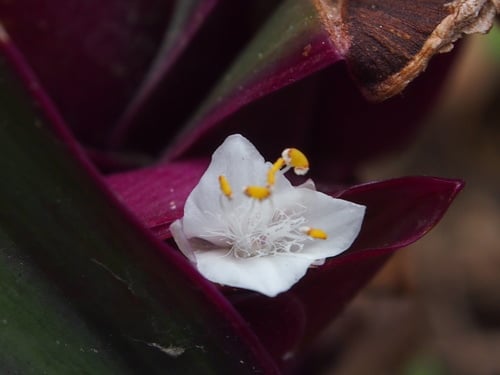
iNaturalist· cc-by-nc
(c) aster_lin, some rights reserved (CC BY-NC), uploaded by aster_lin
Summary
Source: WikipediaFloscopa scandens is a species of flowering plant in the family Commelinaceae. It is sometimes referred to by the common name climbing flower cup. It is a subscandent herb native to the Andaman Islands, Assam, Bangladesh, Borneo, Cambodia, China, East Himalaya, India, Java, Laos, Malaysia, Myanmar, Nepal, the Nicobar Islands, the Philippines, Queensland, Sri Lanka, Taiwan, Thailand, Tibet, and Vietnam. In Western Ghats it is commonly found near streams and marshy localities in the forests of Western Ghats.
Description
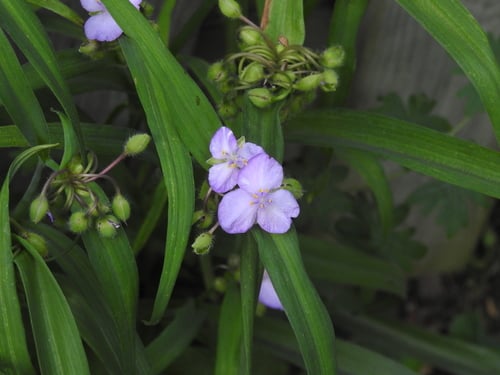
A creeping leafy herb, like wandering Jew. The stems lie on the ground and root at the nodes. The tips of the branches bend upwards to 20-50 cm height. The leaves are narrow and sword shaped and 4-8 cm long. They are pointed towards the tip. The flowers are small, green and covered with hairs. They are 4-5 cm long. The petals are blue. The fruit or capsule has 2 sections. There is one seed in each section. The seeds are about 2 mm long.
Edible Uses
The leaves are eaten.
Traditional Uses
The leaves have been reported as eaten.
This uses section is brief — help expand it
Medicinal Uses
The plant is used medicinally as a febrifuge and for relieving pyodermas, abscesses, and acute nephritis. The plant is used for treating broken bones. The leaf juice is used for treating sore eyes and ophthalmia.
Distribution
A tropical plant. It grows in moist places and near swamps at low altitudes. It is sometimes common in sago swamps. In Sichuan and Yunnan.
Where It Grows
Asia, Australia, Bhutan, China, Himalayas, India, Indochina, Laos, Malaysia, Myanmar, Nepal, Northeastern India, Pacific, Papua New Guinea, PNG, SE Asia, Sikkim, Taiwan, Thailand, Tibet, Vietnam, Oceania,
Cultivation
It grows wild from seeds or pieces of the stem.
Notes
There are about 20 Floscapa species. They are tropical.
Synonyms
Also Known As
Aur-aur, Awo-awo, Gondo, Hawar-hawar, Ju hua cao, Kana himlu, Konda-amadikada, Padathipullu, Vazhaparathi-pullu
References (13)
- Ambasta, S.P. (Ed.), 2000, The Useful Plants of India. CSIR India. p 226
- Balkrishna, A., et al, 2022, Indigenous Uses of Plants among Forest-dependent Communities of Seijosa, Arunachal Pradesh. International Journal of Economic Plants 2022, 9(1):064-080
- Burkill, I.H., 1966, A Dictionary of the Economic Products of the Malay Peninsula. Ministry of Agriculture and Cooperatives, Kuala Lumpur, Malaysia. Vol 1 (A-H) p 1043
- Cooper, W. and Cooper, W., 2004, Fruits of the Australian Tropical Rainforest. Nokomis Editions, Victoria, Australia. p 131
- French, B.R., 1986, Food Plants of Papua New Guinea, A Compendium. Asia Pacific Science Foundation p 348
Show all 13 references Hide references
- Haberle, S., 2005, Ethnobotany of the Tari basin, Southern Highlands Province, Papua New Guinea. Palaeoworks Technical Paper 6.
- Hong Deyuan; Robert A. DeFilipps, COMMELINACEAE, Flora of China
- Manandhar, N.P., 2002, Plants and People of Nepal. Timber Press. Portland, Oregon. p 237
- Peekel, P.G., 1984, (Translation E.E.Henty), Flora of the Bismarck Archipelago for Naturalists, Division of Botany, Lae, PNG. p 77, 79
- Powell, J.M., Ethnobotany. In Paijmans, K., 1976, New Guinea Vegetation. Australian National University Press. p 110
- Vink, 1970,
- Wood, 1984,
- World Checklist of Useful Plant Species 2020. Royal Botanic Gardens, Kew