Murdannia edulis
(Stokes) Faden
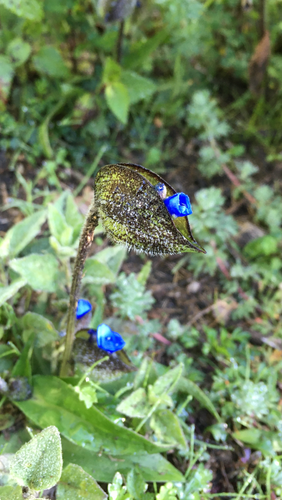
iNaturalist· cc-by-nc
(c) BioM_Akekachoke.B,保留部分权利(CC BY-NC), 由 BioM_Akekachoke.B 上传
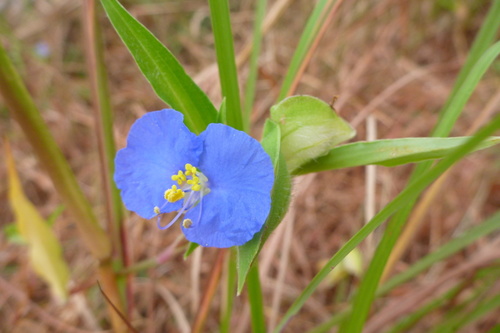
iNaturalist· cc-by-nc
(c) BioM_Akekachoke.B,保留部分权利(CC BY-NC), 由 BioM_Akekachoke.B 上传
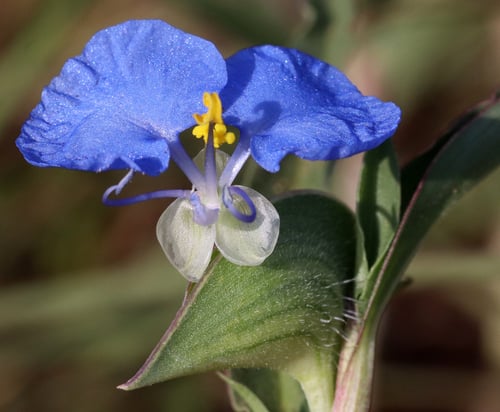
iNaturalist· cc-by-nc
(c) BioM_Akekachoke.B,保留部分权利(CC BY-NC), 由 BioM_Akekachoke.B 上传
Description
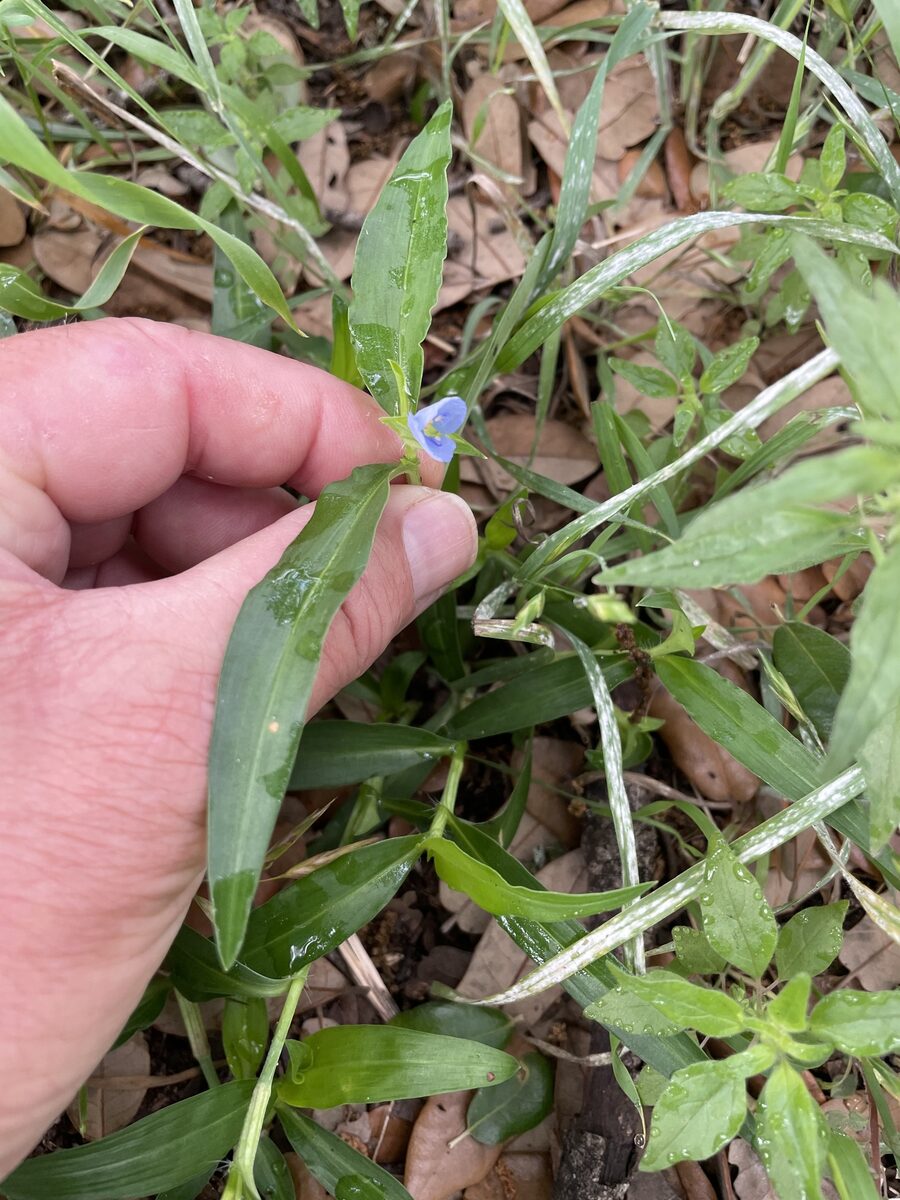
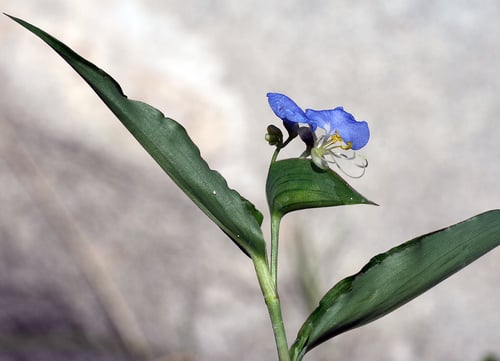
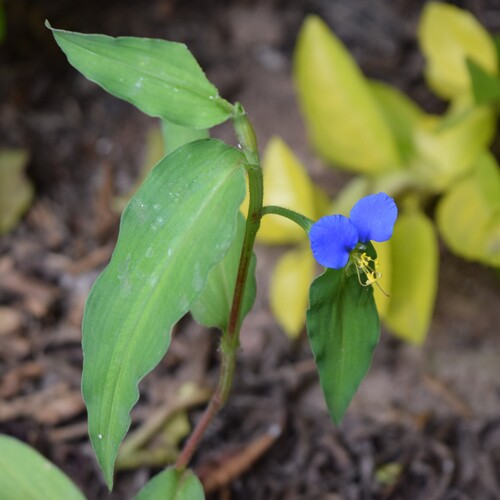
A herb. It keeps growing from year to year. The roots are robust and thickened near the end into tubers 8 mm across. There are several stems that grow from a ring of leaves at the base. The leaves are narrow and 10-42 cm long by 2-5 cm wide. The edges can be wavy and have fine hairs.
Edible Uses
The tubers and roots are edible.
Medicinal Uses
The plant is said to have astringent and tonic properties, and is considered to be hot and dry. It is useful in the treatment of headaches, giddiness, fevers, jaundice and deafness. It is also used as an antidote to poisons, and is regarded as a cure for snake-bites.. The root is astringent and febrifuge. It is used in the treatment of headaches, giddiness and jaundice. The root-bark is antispasmodic and diuretic. When dried in the shade it is said to have been used with benefit in the treatment of asthma. It is also used in the treatment of colic, piles and infantile convulsions. It is used to treat incontinence of urine. The dried powder, mixed with sugar, is used as an aphrodisiac. Combined with the juice of the tulsi leaves (Ocimum tenuiflorum), it is administered to relieve pains in the kidneys, and is one of the chief remedies used by the Hakims in the treatment of spermatorrhoea..
Distribution
It is a tropical plant. It grows in forests from near sea level to 1,000 m above sea level in southern China.
Where It Grows
Asia, China, Himalayas, India, Indochina, Indonesia, Laos, Malaysia, Myanmar, Nepal, New Guinea, Philippines, SE Asia, Sikkim, Taiwan, Thailand, Vietnam,
Cultivation
Murdannia edulis is native to the tropical and subtropical regions of eastern Asia, where it is found mainly in moister areas with all-year rainfall.
Notes
There are about 100 Aneilema species.
Synonyms
Also Known As
Myit-cho
References (3)
- Bircher, A. G. & Bircher, W. H., 2000, Encyclopedia of Fruit Trees and Edible Flowering Plants in Egypt and the Subtropics. AUC Press. p 27 (As Aneilema loureiroi)
- Hedrick, U.P., 1919, (Ed.), Sturtevant's edible plants of the world. p 55 (As Aneilema loureiroi)
- Nandikar, M. D. & Gurav. R. V., 2015, Revision of the genus Murdannia (Commelinaceae) in India. Phytodiversity 2015: Vol. 2 (1): 56-112