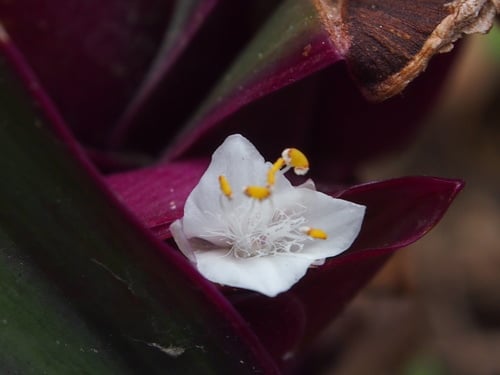
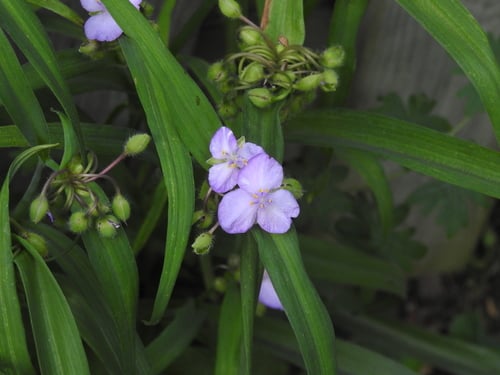
Commelina dianthifolia
Delile.
Birdbill Dayflower
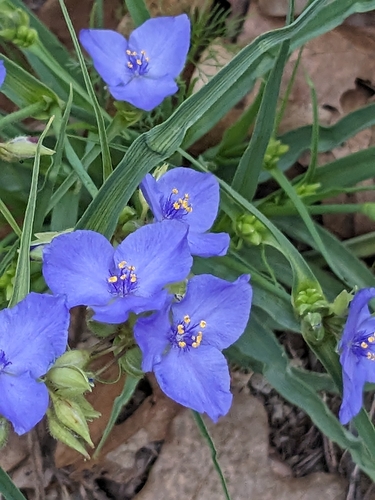
iNaturalist· cc-by-nc
(c) Steven Mlodinow, some rights reserved (CC BY-NC), uploaded by Steven Mlodinow
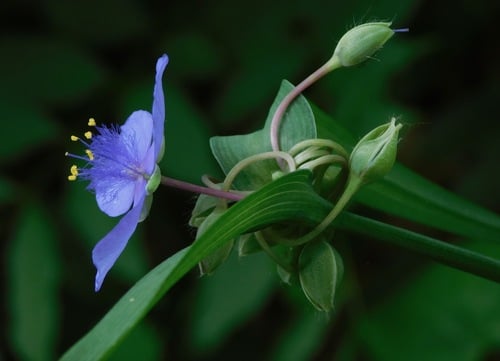
iNaturalist· cc-by
(c) Katja Schulz, some rights reserved (CC BY)
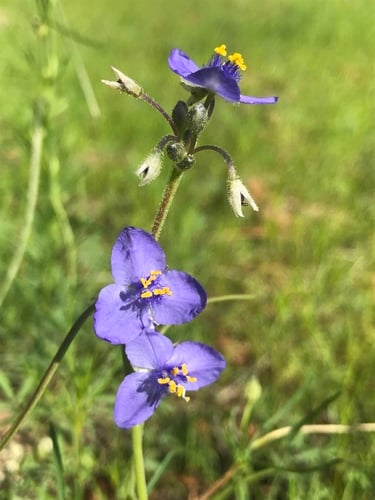
iNaturalist· cc-by-nc-nd
(c) Tatiana Lobato de Magalhães, PhD, PWS, some rights reserved (CC BY-NC-ND), uploaded by Tatiana Lobato de Magalhães, PhD, PWS
Description
Commelina dianthifolia is a PERENNIAL growing to 0.1 m (0ft 4in). See above for USDA hardiness. It is hardy to UK zone 7. It is in flower from July to September, and the seeds ripen from August to October. The species is hermaphrodite (has both male and female organs). Suitable for: light (sandy) and medium (loamy) soils and prefers well-drained soil. Suitable pH: mildly acid, neutral and basic (mildly alkaline) soils. It can grow in semi-shade (light woodland) or no shade. It prefers dry or moist soil.
Edible Uses
The following use is for the closely related C. tuberosa, but is also probably appropriate for this species. Tubers - cooked. Rich in starch, but with a fairly bland flavour.
Medicinal Uses
Aphrodisiac TBAn infusion of the plant is used as an aphrodisiac and as a strengthener for weakened patients with tuberculosis.
Distribution
South-western N. America.
Where It Grows
NORTHERN AMERICA: United States (Colorado, New Mexico, Texas, Arizona), Mexico (Chihuahua)
Cultivation
Prefers a light well-drained loam with added leafmold. Succeeds in an ordinary, reasonably moist soil in a sunny position with some shelter. Plants are hardy to about -10°c if the roots are protected from freezing. It is probably best to dig up the roots in autumn and store them like dahlias in a cool frost free place. When grown in a light well-drained soil and mulched well, the roots usually survive the winter outdoors. This species is closely related to C. tuberosa. The flowers are very ephemeral, individual flowers only living for a few hours.
Propagation
Seed - sow March in a greenhouse. The seed usually germinates in 4 - 5 weeks at 20°c. When they are large enough to handle, prick the seedlings out into individual pots plant them out in late spring or early summer, after the last expected frosts. Division in early spring. Make sure that each portion has at least one growing bud. Cuttings during the growing season. Very easy.