Ficus scobina
Benth.
Sandpaper Fig
iNaturalist· cc-by-nc-nd
(c) Zig Madycki, some rights reserved (CC BY-NC-ND), uploaded by Zig Madycki
iNaturalist· cc-by
(c) Thomas Mesaglio, some rights reserved (CC BY)
iNaturalist· cc-by
(c) Thomas Mesaglio, some rights reserved (CC BY)
Summary
Source: WikipediaFicus scobina is one of several fig species commonly known as sandpaper fig. Ficus scobina is a small tree that grows to a height of 3–8 metres (9.8–26.2 ft). It is native to northern Australia, from the Kimberleys across to north Queensland.
Description
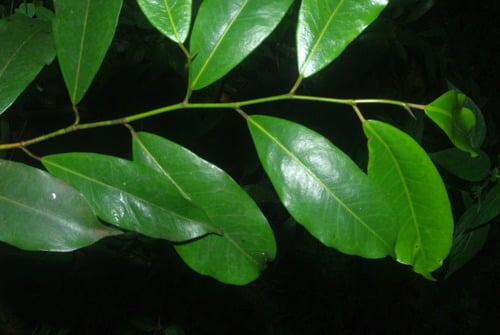
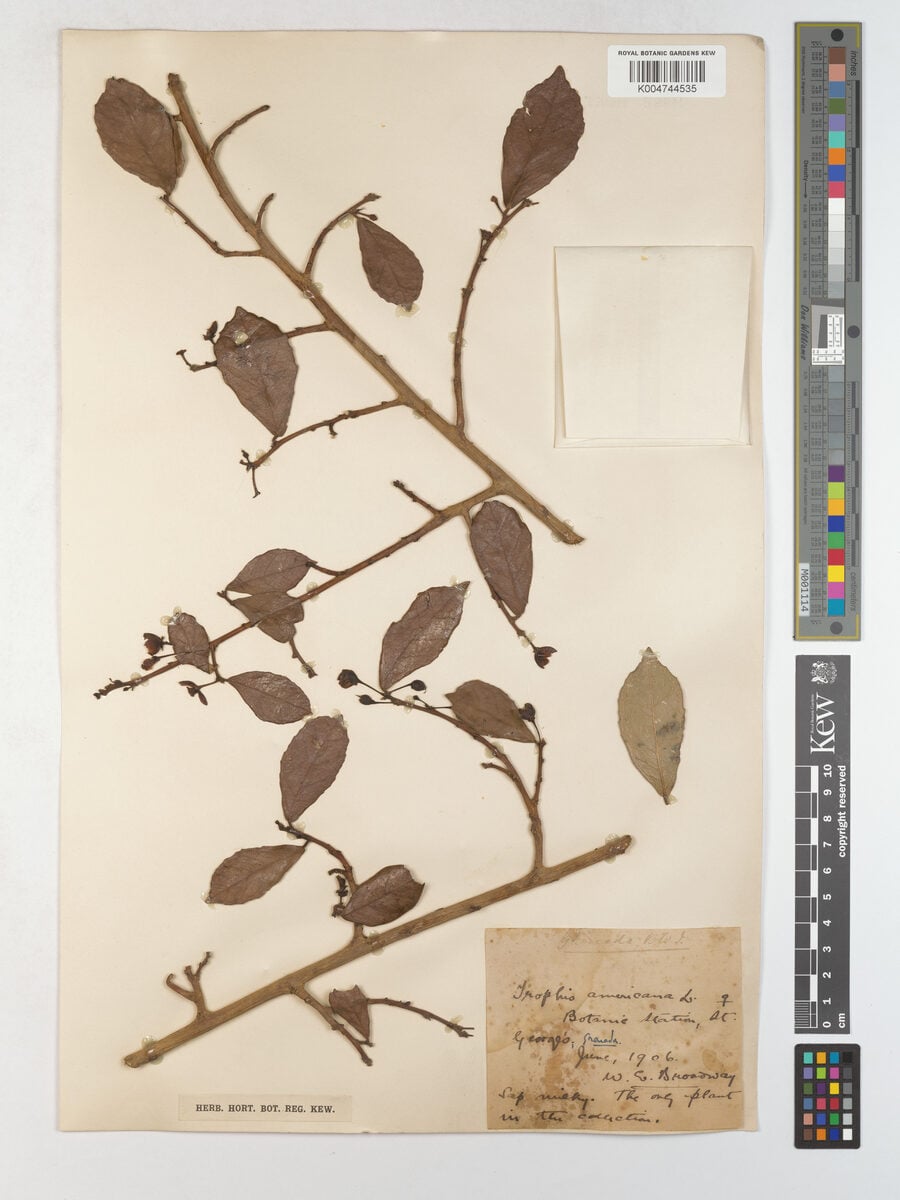
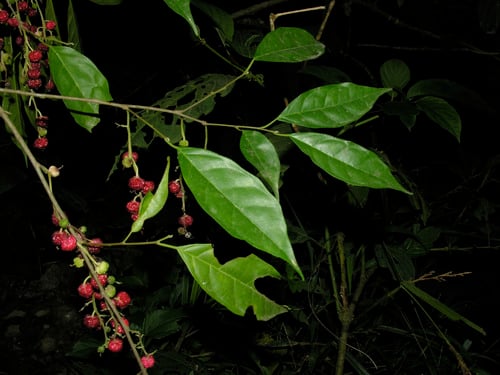
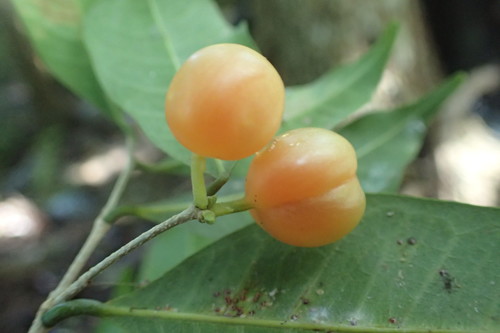
A fig. It is a shrub or small tree. It grows 3-8 m tall. There are separate male and female trees. The leaves are coarse like sandpaper in both surfaces. The shape and size of leaves varies. The leaf blade is 4-12 cm long by 1-6 cm wide. The veins underneath the leaf are raised and distinct. The male and female flowers are very small and in receptacles on separate plants. The fruit is round and 0.6-1.1 cm across. It is dark green and turns black when ripe. They occur either singly or in pairs in the axils of leaves. They can also be just below the leaves on the stem. The fruit is edible.
Edible Uses
The ripe fruit are eaten.
Traditional Uses
The ripe fruit is eaten.
This uses section is brief — help expand it
Distribution
It is a tropical plant. It grows in coastal monsoon vine forest. It grows best in moist shady places. It also grows on sandy outcrops.
Where It Grows
Australia*,
Cultivation
Plants are grown from seed. They can probably be grown from cuttings.
Notes
There are about 800-1000 Ficus species. They are mostly in the tropics. There are 120 Ficus species in tropical America.
Synonyms
References (13)
- Brock,J., 1993, Native Plants of Northern Australia, Reed. p 189
- Elliot, W.R., & Jones, D.L., 1992, Encyclopedia of Australian Plants suitable for cultivation. Vol 4. Lothian. p 291
- Flora of Australia, Volume 3, Hamamelidales to Casuarinales, Australian Government Publishing Service, Canberra (1989) p 57
- Jones, D. L., 1986, Ornamental Rainforest Plants in Australia, Reed Books, p 220
- Lazarides, M. & Hince, B., 1993, Handbook of Economic Plants of Australia, CSIRO. p 114
Show all 13 references Hide references
- Norrington, L., & Campbell, C., 2001, Tropical Food Gardens. Bloomings Books. p 101
- Paczkowska, G . & Chapman, A.R., 2000, The Western Australian Flora. A Descriptive Calatogue. Western Australian Herbarium. p 332
- Smith, N. M., 1991, Ethnobotanical Field Notes from the Northern Territory, Australia, J. Adelaide Bot. Gard. 14(1): 1-65
- Tiwi Plants and Animals. 2001, Aboriginal flora and fauna knowledge from Bathurst and Melville Islands, northern Australia. Northern Territory Botanical Bulletin; No. 24 p 53
- Townsend, K., 1994, Across the Top. Gardening with Australian Plants in the tropics. Society for Growing Australian Plants, Townsville Branch Inc. p 215
- Wheeler, J.R.(ed.), 1992, Flora of the Kimberley Region. CALM, Western Australian Herbarium, p 83
- Wightman, G. M. & Andrews, M.R., 1989, Plants of Northern Territory Monsoon Vine Forests (Vol 1). Conservation Commission of Northern Territory. p 104
- Yunupinu Banjgul, Laklak Yunupinu-Marika, et al. 1995, Rirratjinu Ethnobotany: Aboriginal Plant Use from Yirrkala, Arnhem Land, Australia. Northern Territory Botanical Bulletin No 21. Parks and Wildlife Commission of the Northern Territory. p 41